

Best Agricultural Machinery Parts for Reliable Farm Performance
2026-10-22
Modern farming doesn’t wait for breakdowns—and neither should your equipment. The difference between a profitable season and a stalled one often comes down to the smallest components doing the heaviest lifting. That’s why farmers who demand consistent performance turn to Zhaoyuqi for agricultural machinery parts built to handle real field conditions. In this post, we break down the parts that earn their keep day after day, so you can spend less time wrenching and more time harvesting.
Bearings That Don't Quit When the Dust Settles
Dust doesn't just sit on a bearing—it works its way inside, mixes with the grease, and turns it into grinding paste. That's the moment most bearings give up. The ones that survive are built with a different assumption: the dust is already in there, so the design has to handle it. We test every batch by running them in a sealed chamber filled with fine silica, the kind that coats your lungs just by being nearby, and we don't stop until the equivalent of three seasons on a mining site has passed.
What makes the difference isn't a thicker shield. It's the way the seal lip angles back against the shaft, using the bearing's own rotation to push debris away from the contact point. The grease is chosen not for its smoothness at day one, but for how it holds up after a thousand hours of heat, dust, and vibration. Even the raceway tolerances are cut looser than you'd expect, giving the particles a place to go without jamming the rolling elements.
In the field, it looks like this: a conveyor line running through a dust storm, a rock crusher shaking itself to pieces, a combine harvester working through a dry harvest. The equipment keeps moving because the bearings aren't fighting the dust—they're managing it. That's the difference between a bearing that survives a dusty week and one that doesn't quit when the dust settles.
Hydraulic Fittings Leak? Here's the Real Fix
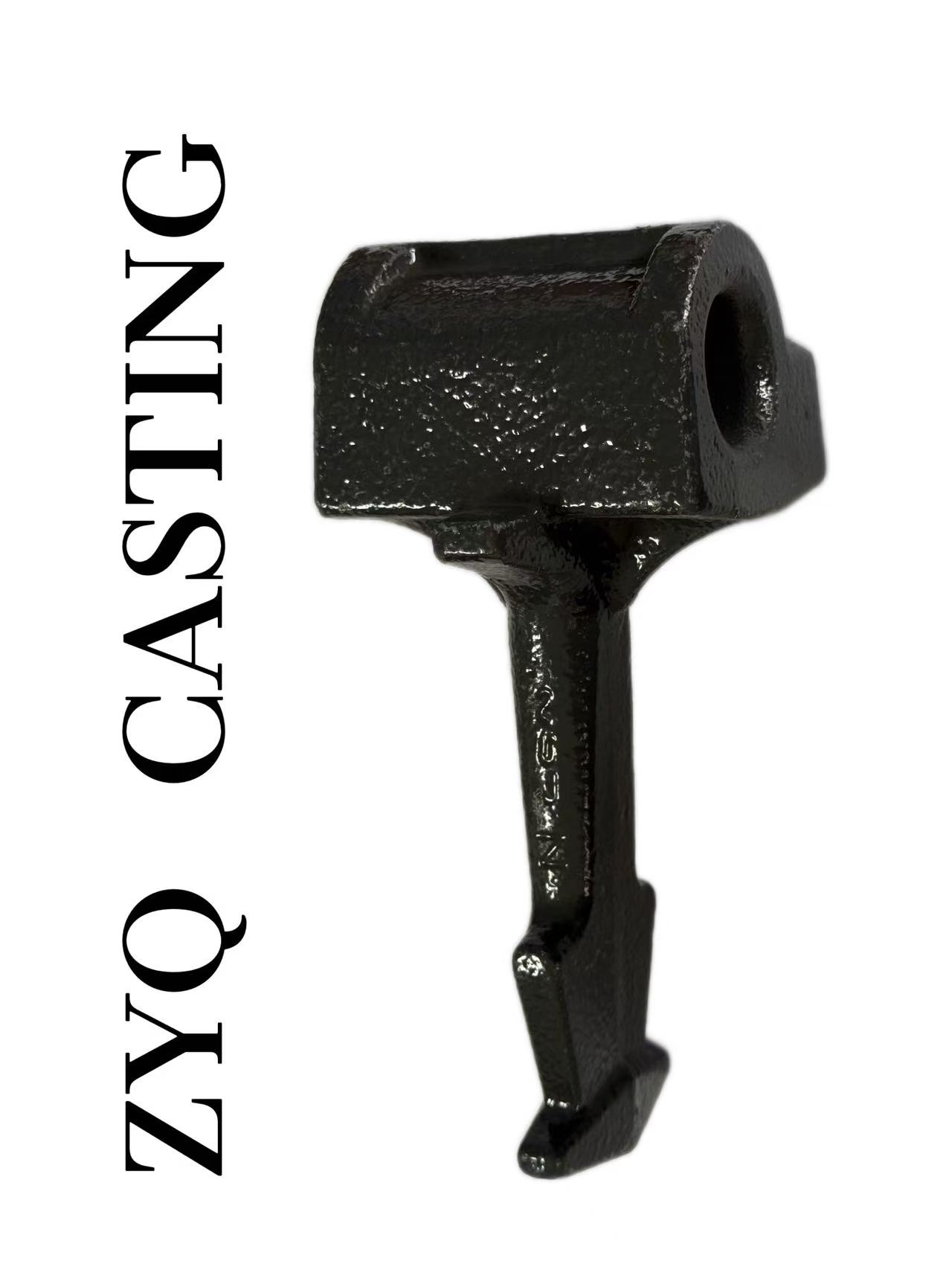
Most leaks don't start because the fitting is bad—they start because someone overtightened it, skipped the thread sealant, or grabbed whatever O-ring was closest. Take the connection apart and look at the sealing surfaces under a bright light. A tiny scratch or a flat spot on the cone or flare is often the whole story. If you see that, no amount of torque will save you. Replace the damaged fitting or the seat, not just the seal.
The real fix comes down to matching the fitting to the hose and the pressure rating. A JIC fitting on a metric hose, or a reused crush washer that's already been crushed once, will leak every time even if you do everything else right. Clean the threads with a wire brush, use the exact sealant or tape recommended for hydraulic systems, and tighten in stages—hand tight, then a quarter turn, then check while the system is at low pressure before ramping up. That last step catches weeping joints before they become a puddle on the floor.
For stubborn leaks that come back after a week, the problem is usually vibration or misalignment. Rigid lines should never fight the fitting; there should be a slight flex or a swivel joint to absorb movement. Add a clamp or a support bracket nearby, and swap in a bonded seal washer if you have flat-faced connections. Then run the system at operating temperature for half an hour and retorque. You'll find the leak goes away and stays away—because now the fitting isn't just tight, it's seated correctly.
The Hidden Cost of Cheap PTO Shafts
A low-priced PTO shaft might look identical on the outside, but the savings often hide in the materials you can't see. Off-brand steel with inconsistent heat treatment leads to premature wear at the yoke ears and splines. You'll feel it as vibration first, then as a sudden failure in the middle of a field, usually when the crop is ready and the weather window is closing.
The real expense shows up later. Cheaper shafts rarely match the original torque rating for your tractor and implement. Under continuous load, the telescoping tubes twist and the safety clutch either slips too early or not at all. That puts stress back into the gearbox, and a replacement gearbox costs ten times what you saved on the shaft.
Then there's the time you lose. A quality PTO shaft is balanced, lubricated, and fitted with a guard that stays in place. A cheap one needs constant greasing, the plastic shield cracks after a season, and you end up retrofitting parts that don't quite align. Every hour spent nursing worn U-joints is an hour not spent working the land.
Filters That Keep Your Engine Alive Longer
Oil doesn't wear out—it gets dirty. The filter's job is to catch the abrasive junk that turns a healthy engine into a slow-grinding failure. A cheap filter with flimsy media can let fine metal particles and carbon sludge circulate through the bearings and valve train. Over time, that grit acts like sandpaper on machined surfaces. A quality oil filter with deep pleats and a strong bypass valve keeps pressure stable and contaminants locked away, which is why the extra few dollars outweighs the cost of an early rebuild.
Air filters rarely get the respect they deserve. Dust, pollen, and road debris don't just clog the intake—they score cylinder walls and wear piston rings. A clogged filter also forces the engine to work harder, burning more fuel and building heat in all the wrong places. Replacing it on a schedule that matches your driving conditions, not just the owner's manual's best-case scenario, is one of the simplest ways to extend the life of the combustion chambers.
Fuel filters sit quietly until the moment they don't. Modern direct-injection engines run at extreme pressures, and any rust, dirt, or water in the fuel can destroy injectors and pumps. A restricted fuel filter starves the engine under load, causing lean conditions and misfires that hammer the pistons. Swapping it before it becomes a restriction keeps fuel delivery clean and consistent, protecting expensive components that were never designed to tolerate junk.
When to Replace Your Tractor's Clutch Disc
You'll know it's time when the tractor starts feeling lazy under load. If you're climbing a gentle slope in a gear that used to pull fine, and the engine revs climb but ground speed doesn't follow, that's the clutch disc slipping. It often shows up first in high gear or with a heavy implement behind you. Don't wait until it won't move at all—once slippage starts, the friction material wears fast.
Pay attention to how the pedal behaves. A clutch that engages only at the very top of the pedal travel, or one that chatters and grabs when you let it out, is telling you the disc is thin or warped. If you smell something like burning brakes after a hard pull, that's often the clutch lining overheating. And if you have to adjust the linkage repeatedly just to get it into gear, the disc may already be beyond its service limit.
Another clear sign is difficulty shifting or a grinding sound when you try to engage a gear with the clutch fully depressed. That points to the disc not releasing cleanly, which can be from worn splines or a warped plate. If you've already ruled out hydraulic or cable issues, pulling the inspection cover and looking for metal particles or a blue-discolored pressure plate will usually confirm it's time for a new disc.
Cutting Parts That Last Through Rocky Soil
Rocky ground doesn't just dull a cutting edge—it chips, cracks, and peels away material in unpredictable ways. The parts that survive are usually built around two things: a tougher base steel and a wear layer that sacrifices itself slowly instead of snapping. Tungsten carbide granules embedded in the cutting face create a rough, self-sharpening edge as softer metal around them erodes. That uneven wear pattern is often more useful than a polished blade because it keeps the part biting into hard soil instead of skating over it.
Heat treatment matters just as much as the alloy recipe. A through-hardened edge can be too brittle when it hits a buried stone at speed, while a softer core with a hardened shell bends instead of breaking. Some manufacturers also shift the cutting angle slightly or reinforce the back side with gussets so stress doesn't concentrate at the bolt holes. In rocky fields, the difference between a part lasting a season or a week usually comes down to those small design changes rather than any single material upgrade.
Even the best metallurgy won't save a part that's running loose. In rocky soil, vibration and impact work bolts free, which lets the cutting edge flutter and crack around the mounting holes. A daily check of torque specs and replacement of worn bushings or retainers often does more for overall life than chasing a harder grade of steel. Operators who take that extra minute before starting a run tend to see far fewer mid-season failures.
FAQ
For wet, heavy soil conditions, focus on parts made from hardened steel or with corrosion-resistant coatings. Sealed bearings and reinforced housings also help prevent premature wear from mud and moisture.
Check hydraulic hoses every 50 to 100 operating hours for cracks, bulges, or leaks. In dusty harvest conditions, inspect more frequently because abrasive particles can accelerate outer wear.
Yes, many aftermarket tillage blades now use boron steel and heat treatments that match or exceed OEM specs. Compare hardness ratings and warranty terms before switching, and keep a couple of OEM blades on hand for emergency replacements.
Regular greasing helps, but over-greasing can blow out seals and under-greasing starves the crosses. Also check the telescoping members for dents or binding—misalignment from a bent shaft puts extra stress on the joints and shortens life.
Focus on seed discs, gauge wheels, and closing wheel bearings. Worn seed discs cause skips and doubles, while cracked gauge wheel tires or loose bearings can throw off seed depth and spacing across the field.
Poly skid shoes reduce friction and absorb impacts better than steel in most conditions. They tend to wear more slowly on sandy or rocky ground and help protect the header frame from direct abrasion, though they may not be ideal for extremely sharp shale.
Watch for black smoke under load, sluggish throttle response, or increased fuel consumption. A quick check is to remove the filter and see if engine performance improves, but always replace it with a clean element before returning to work.
Reversible cutting edges let you flip the blade when one side wears down, effectively doubling the service life. They are especially useful for operations that scrape concrete or hard-packed gravel, where a single-edge blade would need frequent replacement.
Conclusion
Reliable farm performance starts with parts that hold up under real field conditions, not just on paper. Bearings are a prime example: the best ones keep turning long after dust and debris have choked cheaper alternatives, saving you from unplanned downtime. Hydraulic fittings deserve equal attention, because a slow drip can quietly rob your tractor of lifting power. Instead of cranking them tighter, replace worn O-rings and seats with quality components that match your system's pressure. PTO shafts are another place where the lowest price usually costs more over time—twisted tubes and worn yokes can snap without warning, leaving you stranded mid-season.
Filtration is not an area to skimp either. Upgraded filters trap finer particles and hold more contaminants, which directly extends engine and transmission life. Watch the clutch disc as well: if engagement feels grabby or the pedal free play disappears, changing the disc early prevents flywheel damage. Finally, cutting parts built from hardened alloys or with tungsten carbide overlays chew through rocky soil instead of dulling after a few passes. Pair these choices with a regular inspection routine, and your machinery will deliver the kind of steady, season-long output that separates profitable farms from those constantly chasing breakdowns.
Contact Us
Contact Person: Nico Yin
Email: [email protected]
Tel/WhatsApp: 8618561567088
Website: https://www.ductileironparts.com/