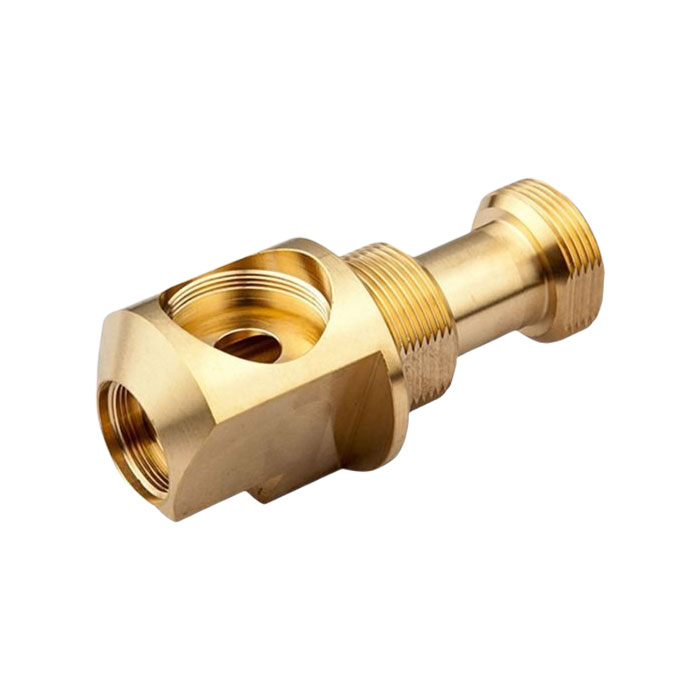
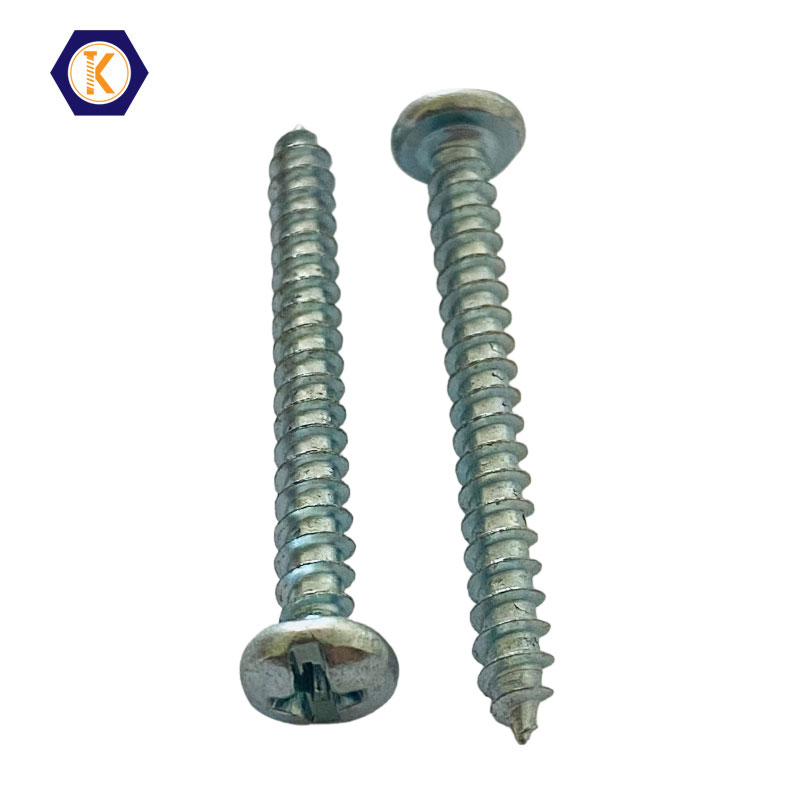
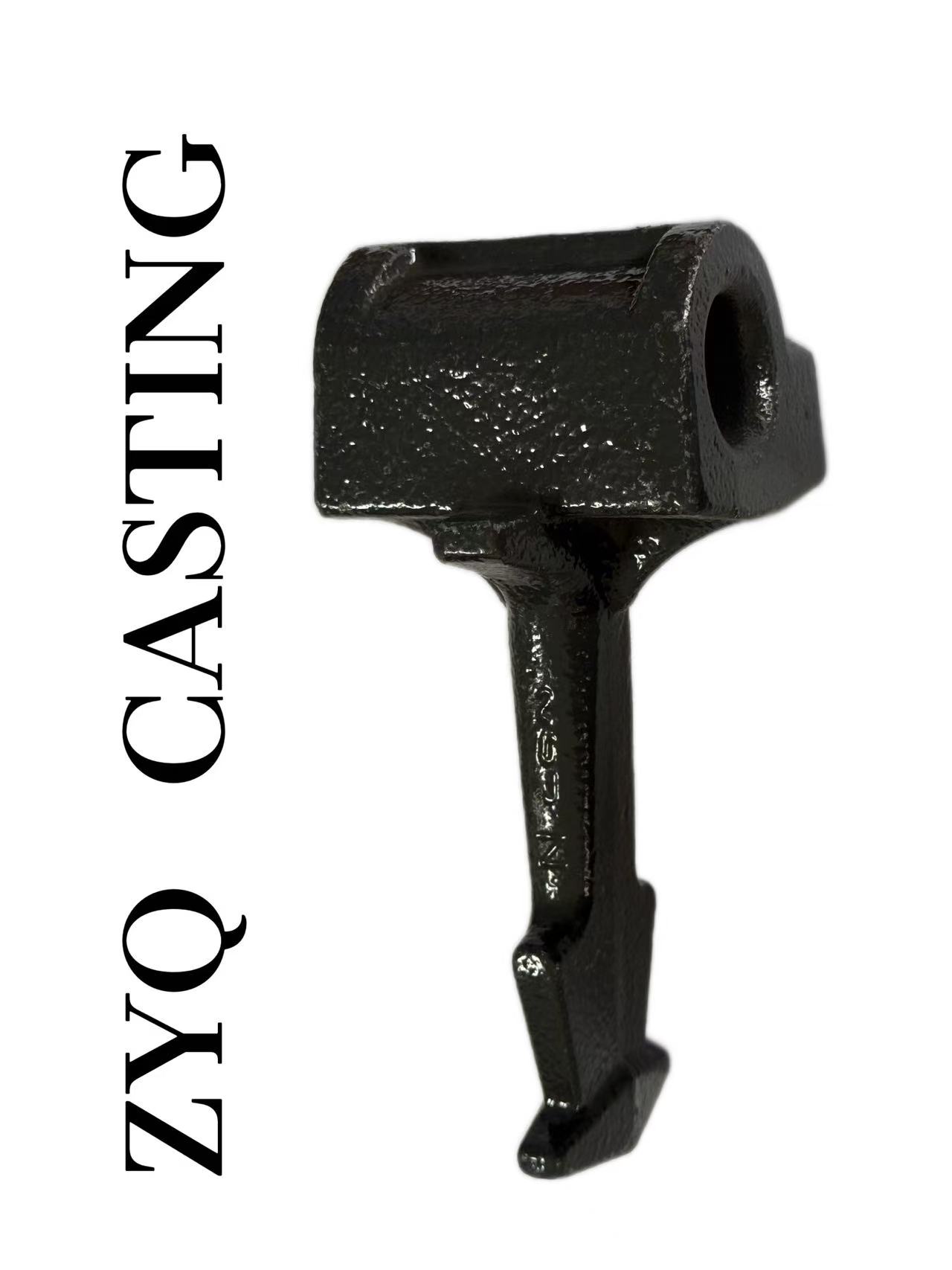
Breakdowns rarely announce themselves. They come from a worn pin, a tired bearing, a seal that gave up after one dusty season too many. Modern farming can't afford that kind of surprise, and neither can the people who rely on their equipment to finish the job. The difference between a smooth harvest and a week lost in the shop often sits in the smallest components—the ones nobody thinks about until they stop working. Zhaoyuqi builds agricultural machinery parts for exactly those conditions: real fields, real hours, real wear. This article takes a closer look at the parts that quietly do the heavy lifting season after season. You'll see which components deserve your attention, why they fail early in cheaper versions, and what to check before the next run. Less time wrenching, more time harvesting—that's the whole point.
Cold-chain failures rarely begin with the compressor. They begin with the box. This guide makes that point plainly: if packaging cannot hold a narrow temperature range, every careful sorting, loading, and monitoring step beforehand means nothing. It breaks down what actually keeps perishables safe in transit—not vague promises about thermal performance, but concrete details like insulation density, seal tightness, and how corners, flaps, and seams hold up under pressure and vibration. It also shows how Kuaijie Carton engineers fresh cold-chain boxes for dependable results, using materials and construction methods that survive real-world handling. For anyone tired of finding warm spots or crushed corners only after a shipment leaves the dock, this is a practical pre-shipment checklist. No fluff—just the packaging factors that separate a reliable delivery from an expensive, avoidable write-off, and it could save the next truckload. That alone makes it worth reading before the next order goes out.
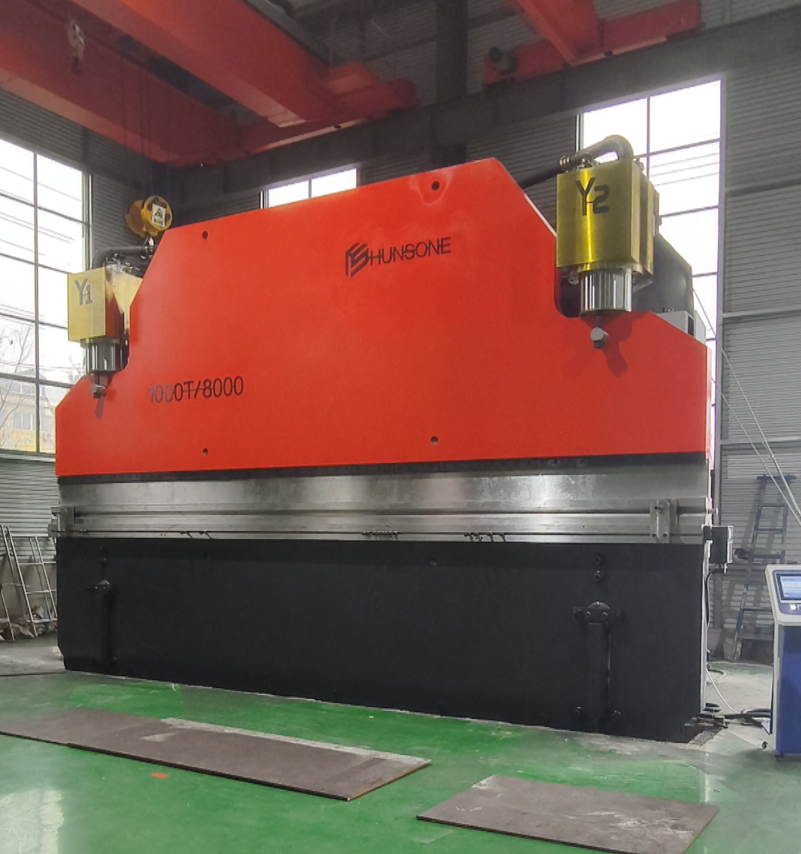
The assumption that larger press brakes sacrifice finesse is common—and costly. When you're forming plate 25 mm thick and 6 meters long, even small angular drift turns into scrap fast. HUNSONE's giant OEM press brake systems flip that trade-off entirely. Instead of chasing tonnage alone, they engineer controlled tonnage: force applied so consistently that bend angles stay repeatable run after run, shift after shift. This piece breaks down the design thinking behind that consistency. What you might not expect is how much of it happens before the first bend. Frame construction, crowning, and how hydraulic pressure is distributed all play bigger roles than raw capacity. It's a closer look at why some big machines hold tolerance while others wander. If you've been hesitating on larger equipment because you thought you'd lose precision, the engineering details here will likely change your mind. That's worth knowing before you spec your next machine.
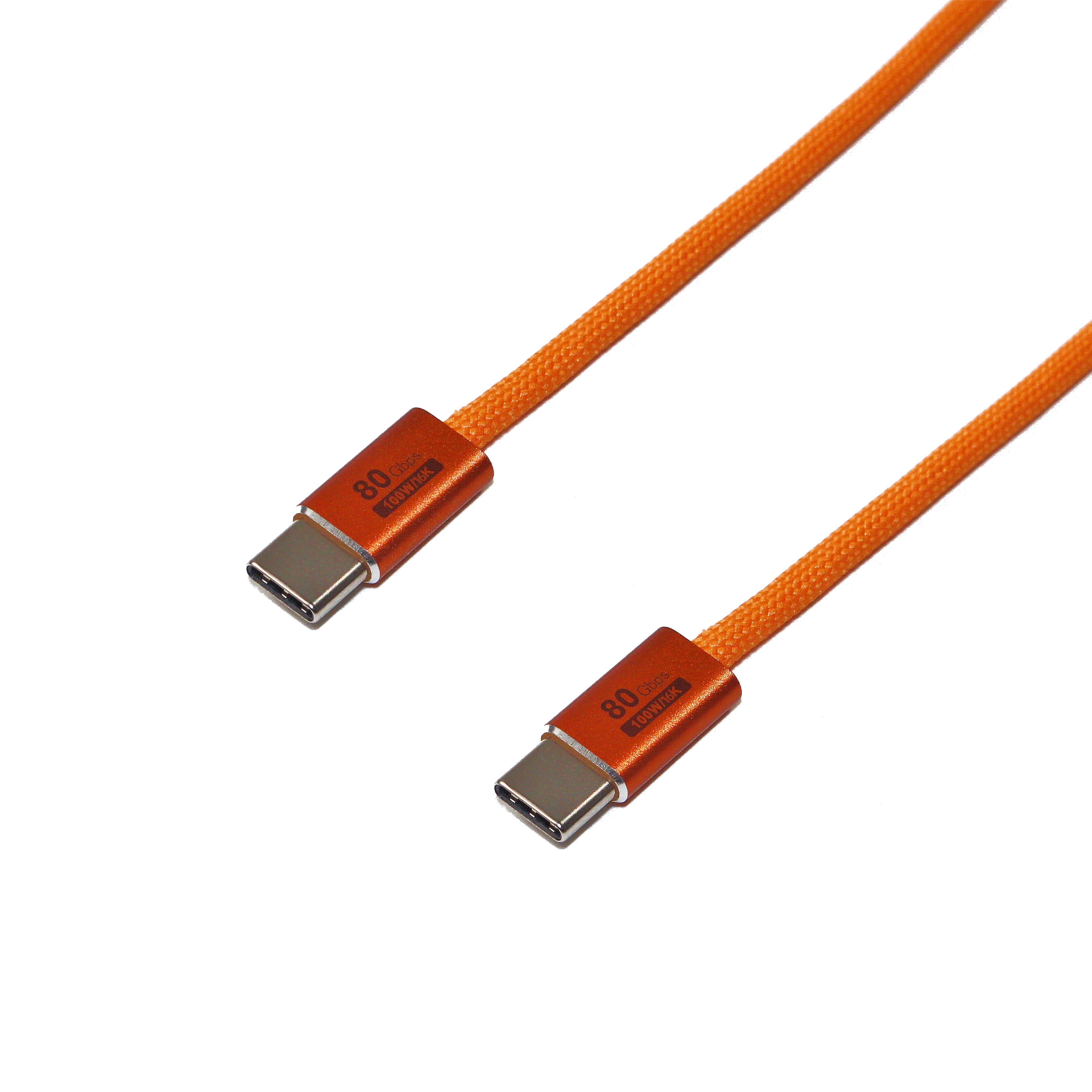
USB4 was supposed to make life easier—one cable handling fast charging and high-speed data—but the market is now flooded with options that overpromise and underdeliver. This piece cuts through the noise by looking at what actually separates a dependable USB4 cable from the rest, using EBCYX's quietly tuned lineup as the example. Rather than chasing spec-sheet numbers, it focuses on the real-world balance between power delivery and data throughput that most cables struggle to maintain. You'll also find practical pointers on what to check before buying: sustained performance under load, build quality that holds up, and honest labeling that doesn't inflate capabilities. If you're tired of guessing which cable will keep pace with your devices, this is a clear-eyed guide to making a purchase you won't second-guess. The result is a no-nonsense look at the USB4 cable market, grounded in what real performance feels like rather than what the box claims.
Imagine a carton leaving Guangdong at 4 a.m., bouncing through humid Jiangxi in a plain truck, yet arriving two days later with lychees still holding at 2°C. That is the China Fresh Cold-Chain Box. Its core combines VIP insulation with PCM gel packs, but the real breakthrough is the seal. Most cold boxes leak at the corners; this one doesn't. A triple-flange lid and pressure-fit base stop thermal bridging, keeping cold locked inside from origin to destination with no powered reefer. The result is perishables that arrive firm, bright, and ready to sell. It is passive cold-chain performance that rivals an active reefer, minus the fuel cost and failure points. This article unpacks how that works and why it beats the foam crate still sitting in your warehouse. If you move temperature-sensitive freight, the details in this design are worth your attention. For shippers tired of spoilage claims, this is the upgrade to study.
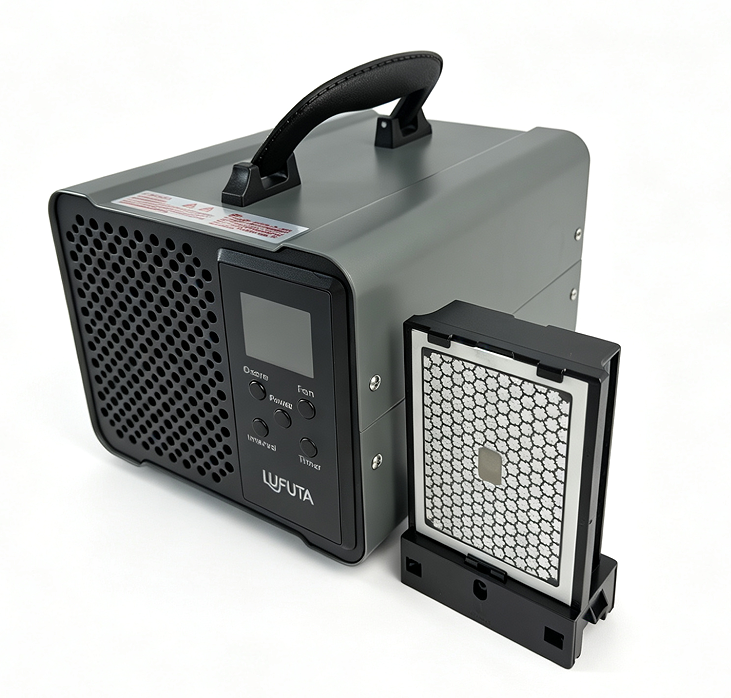
Most buyers only see a car ozone generator as a finished product sitting on a shelf. But the difference between a unit that lasts and one that fails often comes down to small details invisible at the point of sale. During a recent visit to LUFUTATECH’s production floor, we watched raw components become finished devices, spoke with the people running the lines, and witnessed the testing procedures that catch defects before they leave the factory. Some of what we observed goes against common assumptions about how these devices are actually made and what really matters for safety and long-term reliability. It’s a rare look at quality control essentials that most shoppers never get to see, and it separates trustworthy equipment from risky shortcuts in ways a spec sheet never could. If you’ve ever wondered what happens before a generator reaches your hands, this is the behind-the-scenes story.
Two drone simulators can share nearly identical technical specifications yet feel completely different the moment you take the controls. That gap isn't random—it comes down to the manufacturer behind the software. SRIZFLY, as the original maker, shapes every aspect that affects real-world performance: how flight physics are modeled, how control latency is minimized, and how frequently meaningful updates arrive. This article cuts through marketing noise and examines those engineering choices in detail. You'll see why the way a simulator handles inertia, stick response, and environmental variables directly influences pilot training quality. The discussion also covers how well-built software can reduce unnecessary wear on your physical controller and extend hardware lifespan. Instead of vague promises, expect specific performance factors that separate a tool that prepares you for actual flight from one that merely looks similar on a spec sheet. That's the difference between training with confidence and fighting a simulation.
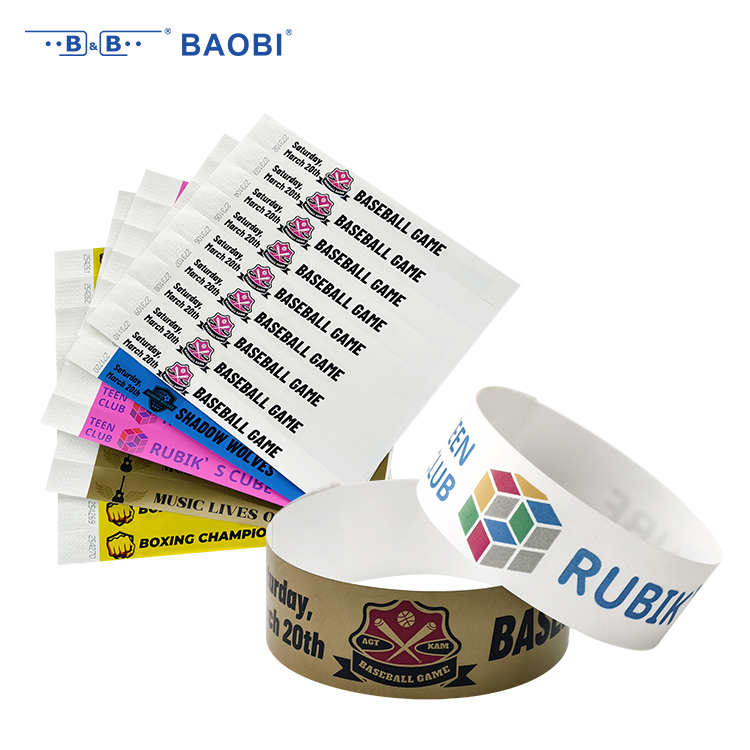
Planning an event means handling countless moving parts, yet one detail often gets rushed: how you’ll identify guests, staff, and VIPs. Laser printable wristbands solve a real problem—they’re fast to produce, comfortable to wear, and tough enough to last through long days. But choosing the right supplier isn’t as simple as grabbing the first option online. This article walks through the essentials that separate dependable wristbands from ones that cause headaches later. Cheap bands might fade under sun, snap during active use, or leave ink smudged on skin—issues you won’t want to discover mid-event. You’ll learn what to look for in material strength, print clarity, and overall finish. It also explains why BAOBI has earned attention for pushing quality higher in a crowded market. Whether you’re running a festival, conference, or private event, these insights help you avoid common pitfalls and keep your check-in line flowing smoothly from start to finish.