

Best PEG-40 Hydrogenated Castor Oil Supplier for Cosmetic Manufacturers
2026-11-22
You have probably learned the hard way that not all PEG-40 Hydrogenated Castor Oil behaves the same once it meets a water phase. A crystal-clear toner can turn hazy after a supplier change, and suddenly a stable formula becomes a production headache. For cosmetic manufacturers, the real difference is rarely the ingredient name on paper; it is batch consistency, odor control, and reliable solubility. That is where MingYa has earned attention. This guide breaks down what to look for before your next purchase, so your formulas stay as dependable as your supplier.
The Formulator's First Check in a PEG-40 Hydrogenated Castor Oil Sample
When a new shipment of PEG-40 hydrogenated castor oil arrives, the first check usually happens before anyone opens a single drum. A quick visual sweep of the storage area tells you whether the pallets were kept dry and whether any outer packaging shows signs of compression or temperature damage. This step feels almost too simple, but it catches problems that later rheology tests never will: a cracked liner, a loose bung, or faint condensation trapped under the shrink wrap.
Next comes a smell and color pass against the retained standard. PEG-40 hydrogenated castor oil should be nearly odorless, with a pale yellow to faint amber cast depending on the lot. If the sample smells slightly sour or looks hazy at room temperature, that is often the first sign of moisture ingress or partial oxidation during transit. Many formulators skip straight to a cloud point or HLB check, but the nose and eye remain the cheapest quality instruments on the bench.
Only after those basics do we move to a small aqueous dilution test. A 10 percent solution in warm deionized water should turn clear to very slightly translucent, without visible oil droplets or a greasy ring at the meniscus. If the solution stays cloudy or separates on standing, the material has likely lost some of its solubilizing character. That kind of early failure almost always shows up later as a hazy final emulsion or a fragrance that refuses to stay dispersed.
Purity That Stays Intact Through Heating and Cooling Cycles
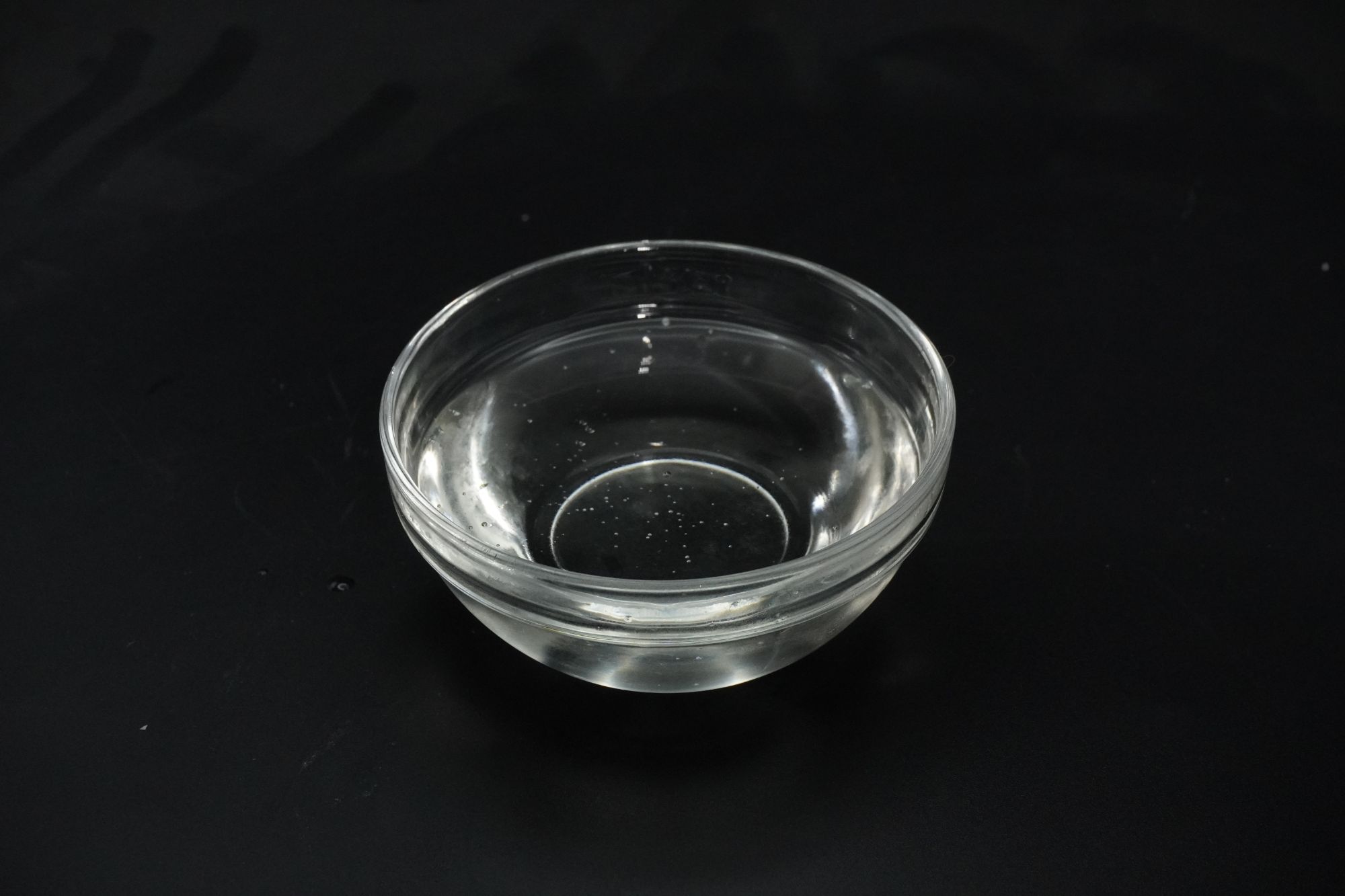
A surface can look perfectly stable at room temperature and still quietly release additives once it is pushed through repeated heating and cooling. The more meaningful check is what happens when a vessel moves from an autoclave to an ice bath, or when a film is warmed during processing and then chilled for storage. Those swings force polymers and coatings to expand, contract, and sometimes reorganize at the surface. If the material stays intact through that motion, the fluid or sample it touches is far less likely to pick up new contaminants.
Rather than testing a single thermal step, we cycle the material between temperature extremes and measure what migrates afterward. That approach exposes weak points that a one-pass validation misses, such as additive bloom that appears only after several cycles or micro-cracking that opens fresh surface area. The goal is simple: no measurable change in extractables after the first cycle or the fiftieth.
This stability becomes essential in labs and production lines where heating and cooling are part of the normal rhythm. A material that introduces chemical noise after thermal stress turns a routine process into a troubleshooting exercise. Keeping the same clean baseline before and after aggressive cycling means one less variable to chase down.
Why Every Production Batch Needs the Same Cloud Point and Color
Cloud point and color are not just quality checkboxes. They reveal whether the same raw material story is repeating itself: the same cooling curve, the same additive balance, the same low-level impurities. A batch that drifts by a few degrees in cloud point may still pass a basic spec sheet, but it can behave differently once it meets a cold tank, a narrow filter, or a fast filling line.
When these two properties stay locked, production stops being a series of small experiments. Line speeds, storage setpoints, and mixing temperatures can be standardized without constant tweaking. Customers also read consistency with their eyes before they test anything in a lab. A subtle haze or a shade lighter than the last delivery can trigger a complaint even when the chemistry is fine.
Cloud point and color also work as a rough fingerprint for what else might be drifting. A darker tint often arrives with oxidation byproducts or a tired catalyst bed, and a moving cloud point can point to uneven wax or polymer distribution that stays hidden until the product has traveled or aged. Keeping those two numbers flat across every batch removes a whole class of field complaints before they get a chance to surface.
Supply Chain Visibility From Raw Feedstock to Sealed Drum
Every raw material lot is assigned a digital identifier before it reaches the receiving dock. Supplier documentation, incoming inspection results, and storage conditions are linked to that identifier, so a batch of resin, solvent, or additive can be traced back to its exact production date and delivery route. If a quality flag appears during incoming testing, the material is blocked from entering production and the system records who reviewed it, when, and why.
Once blending and filling begin, the connection tightens. Each sealed drum receives a unique serial number that pulls together the raw feedstock lots, mixing vessel, operator shift, fill weight, and seal torque. Inline measurements such as temperature, viscosity, and agitation time are captured automatically rather than written down later. This creates a practical audit trail: if a raw material lot is later disputed, the affected finished drums can be located within seconds instead of through a manual paper search.
The visibility does not stop at the warehouse door. Drums scanned during staging, loading, and final delivery keep a quiet record of movement and condition. Temperature excursions, unexpected delays, or handling shocks are tied to the drum serial, not just the shipment. Downstream, a customer can use the drum label to view chain-of-custody details, which helps avoid mixing similar products and supports faster recall or root-cause work when something drifts out of specification.
Technical Support When an Emulsion Breaks at Full Scale
A full-scale emulsion split rarely traces back to a single cause, so start by pulling the batch record and looking for what changed between the pilot run and production. Check electrolyte additions, mixing speed, hold times, and whether the pH drifted outside the range the surfactant system can tolerate. If the break happened after a few hours or days, focus on temperature swings, microbial activity, or slow coalescence rather than the initial homogenization step.
For an immediate recovery, avoid aggressive agitation since that can push separated phases deeper into instability. Depending on the formulation, it may help to reintroduce a small portion of the original emulsifier or protective colloid under low-shear mixing, then slowly fold the broken batch back into a stable reserve. Adjusting pH or adding a rheology modifier can also buy enough short-term stability to finish the run, but any fix should be validated on a bench sample taken from the same vessel before scaling the correction across the whole batch.
Document the exact failure mode, retain a reference sample, and share the production logs with the surfactant supplier before assuming the emulsion system was under-dosed. Often the issue is not the emulsifier concentration but how it was activated, the order of addition, or a raw material variant that slipped through. That kind of record makes the next technical review faster and gives the plant a clearer go/no-go for reworking the material.
Regulatory Documents That Match International Cosmetic Registrations
Cosmetic registrations often look complete on paper, but the supporting documents are where discrepancies surface. A product notification in one market may list a preservative at a concentration that differs from the master formula, or a label claim that is not mirrored in the product information file. The documents that matter are those showing the same ingredient percentages, the same intended function, and the same warnings as the registration itself, not a slightly older version pulled from a shared drive.
Different regulators ask for different evidence, even when the underlying formula stays identical. The European CPNP entry relies on a CPSR and a product information file with defined content, while a US MoCRA product listing expects facility registration details and responsible person information to line up correctly. ASEAN submissions, by contrast, often require notification documents that reflect local ingredient annexes and labelling rules. Matching documents therefore means preparing market-specific sets that stay consistent with the registered product rather than relying on one generic pack.
A practical approach is to keep a date-stamped master file for each formulation and link every regional registration back to that exact version. When a formula changes, the updated document set should be pushed to all active registrations at the same time, and any intentional differences, such as a regional preservative adjustment, should be recorded with a short note. That way the paperwork evolves alongside the product instead of lagging behind it.
FAQ
A dependable supplier will talk openly about batch data instead of hiding behind a generic certificate. You should be able to get residual ethylene oxide and dioxane results, moisture content, color on a clear scale, and a sample that behaves the same way at 1% and 5% in your formula. If they hesitate on any of those, that usually tells you enough.
More than most formulators expect. The starting castor oil varies by region and harvest, and the hydrogenation step determines how much of the final product stays clear or develops a yellowish tint. A supplier that controls both the oil source and the reaction parameters will usually deliver cleaner solubilization in water-based toners and mists.
Ask for residual ethylene oxide, 1,4-dioxane, heavy metals, and the full fatty acid profile. Some suppliers only give appearance and saponification value, which is not enough when the ingredient is going into leave-on skincare. If they cannot provide a recent lot-specific analysis, keep looking.
Yes, and that is where the difference shows. A technically strong supplier will test your fragrance or oil blend in their lab, adjust the ratio, and maybe suggest a co-solubilizer instead of just telling you to use more surfactant. That kind of support saves weeks of trial work.
PEG-40 hydrogenated castor oil can be thick or paste-like depending on temperature. Suppliers that offer drums with proper liners, sealed openings, and clear storage guidance help prevent water absorption and micro contamination. If the packaging looks repacked or the labels lack batch traceability, treat it as a risk.
Lower prices often come from broader molecular distribution, higher color, or less rigorous purification. The raw material may still pass a basic pharmacopeia test but perform poorly in a clear gel or foam. Comparing only on price usually backfires once you count the reformulation time.
Expect more than a product data sheet. The technical team should ask about your pH, oil phase, preservative system, and even the filling temperature. If they are genuinely engaged, they will request a small batch of your formula and come back with specific adjustment ranges rather than a generic usage rate.
Conclusion
Most cosmetic chemists judge a PEG-40 Hydrogenated Castor Oil supplier by what happens in the first lab sample, not by the sales sheet. A quick check of clarity, odor, and cold-water dispersion tells you whether the ethoxylation was controlled or rushed. The material that holds up through repeated heating and cooling cycles without turning hazy or developing a yellow cast is the one worth scaling. Just as important is whether the next drum looks and behaves the same. Tight cloud point and color ranges across production batches let a formulator lock in a formula without worrying that a future shipment will shift the emulsion's stability or appearance. That kind of consistency is usually a sign of disciplined sourcing and processing rather than chance.
What separates a true supply partner is visibility beyond the certificate. From raw feedstock to the sealed drum, the supplier should be able to show where the material came from, how it was handled, and which tests were run at each step. When a full-scale emulsion breaks, the conversation should move quickly from blame to batch traceability and process troubleshooting. Regulatory documents matter in the same way, especially for brands selling across multiple markets. The supplier should provide INCI names, safety data sheets, and batch records that line up with international cosmetic registrations without repeated follow-up. A partner with that depth of support saves manufacturers time in the lab, on the floor, and in compliance reviews.
Contact Us
Contact Person: Miss Pei
Email: [email protected]
Tel/WhatsApp: 8618620409116
Website: https://www.mingyachemicals.com/