

China Red Light Therapy: Unveiling Innovations, Benefits, and Top At-Home Devices
2026-06-05
Red light therapy is taking the wellness world by storm, and China is at the forefront of this exciting evolution. From cutting-edge research to sleek, effective at-home devices, the innovations emerging from Chinese manufacturers are changing how we think about skin rejuvenation, pain relief, and overall vitality. At the heart of this revolution is GUANG TAI, a pioneer blending advanced photobiomodulation science with user-centric design. In this post, we’ll uncover the latest breakthroughs, explore the tangible benefits you can expect, and spotlight the top at-home devices that bring professional-grade results right to your doorstep. Whether you’re a skincare enthusiast or simply curious about a drug-free approach to wellness, the future of light therapy is brighter than ever—and it’s made in China.
How Chinese Innovation Is Reshaping Red Light Therapy
Red light therapy, once a niche wellness trend in the West, is undergoing a dramatic transformation thanks to a wave of Chinese innovation. From Shenzhen’s electronics hubs to Hangzhou’s biomedical labs, Chinese companies are reengineering everything from LED chip efficiency to smart device integration, making treatments more accessible and customizable than ever before.
What sets this new generation of devices apart is their fusion of affordability with advanced features. By leveraging mass production capabilities and cutting-edge semiconductor research, Chinese manufacturers have slashed costs while introducing app-controlled panels, wearable designs, and AI-driven dosage recommendations. These aren’t just cheaper copies—they’re redefining the user experience, often incorporating traditional Chinese medicine concepts like meridian mapping into the light placement patterns.
The ripple effects are already being felt globally. Startups and established brands alike are partnering with Chinese OEMs to bring hybrid models to market, blurring the lines between medical device and consumer gadget. As clinical research expands in China’s booming biotech sector, the therapy is moving from spa rooms into home routines, challenging old assumptions about who can benefit and how.
The Science Behind Red Light Therapy’s Health Benefits
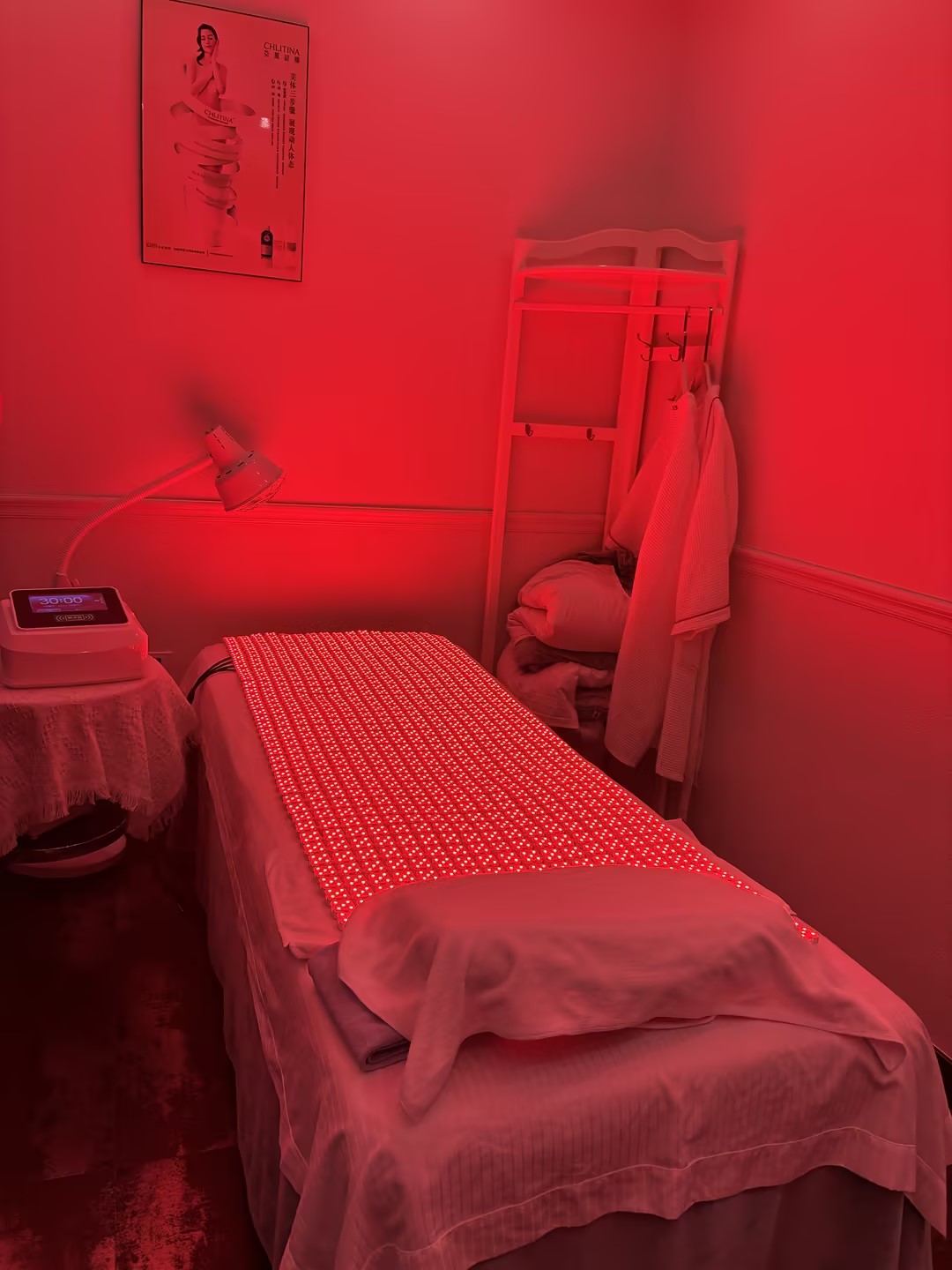
Red light therapy, also known as photobiomodulation, works by delivering specific wavelengths of red and near-infrared light into the skin. These wavelengths, typically ranging from 630 to 850 nanometers, penetrate tissues without generating heat that could cause damage. Once absorbed, the light interacts with mitochondria—the powerhouses of our cells—stimulating them to produce more adenosine triphosphate (ATP). This extra energy fuels cellular repair and regeneration, which is at the core of how the body heals itself more efficiently.
Beyond energy production, the therapy triggers a cascade of cellular events that reduce oxidative stress and inflammation. By modulating reactive oxygen species and activating transcription factors, it shifts cells into a protective mode, helping to calm chronic inflammation. This is particularly relevant for skin health, where increased collagen synthesis and improved blood flow can soften wrinkles and speed wound recovery. It’s not a magic bullet, but the measurable changes in tissue repair marked through clinical observations point to a genuine physiological response rather than just a placebo effect.
What Makes At-Home Devices From China Stand Out
One reason these devices shine is their knack for blending multiple functions into a single, compact unit. A single gadget might serve as a humidifier, aroma diffuser, and night light, cutting down on clutter while covering everyday needs.
There’s also a focus on user-friendly touches that feel intuitive, not gimmicky. Features like one-button controls, silent modes for bedroom use, and easy-clean designs show an understanding of real home routines.
Affordability is another factor, but not at the cost of durability. Many products use proven components and minimalist builds that hold up over time, giving users solid value without the premium price tag.
Key Features to Look For in Quality Red Light Panels
Not all red light panels are created equal, and a handful of details separate the genuinely effective devices from the mediocre ones. The first thing to scrutinize is irradiance—the power density actually reaching your skin. Look for panels that openly publish their irradiance values at realistic distances, not just pressed against the surface. Aim for at least 50 mW/cm² at 6 inches to ensure meaningful photon absorption without spending hours under the light. Equally critical is the wavelength blend; the classic 660nm and 850nm combo works synergistically for surface and deeper tissue benefits, but some premium panels add 630nm or 810nm for broader biological activity. Avoid devices that lump all red and near-infrared LEDs into vague “full spectrum” claims without specific peak wavelengths.
Build quality is another make-or-break factor that’s easy to overlook in product photos. A robust panel should feature a metal, not plastic, housing for better heat dissipation—overheating can degrade LED output and lifespan over time. Check the density and arrangement of the LEDs; tighter spacing with a high chip count usually yields more uniform coverage, reducing the “grid spot” effect on your skin. The cooling system also matters: actively cooled panels with whisper-quiet fans tend to maintain consistent irradiance during longer sessions, whereas passive designs might throttle output as they warm up. A panel that weighs enough to feel substantial is a good sign, as it suggests substantial heat sinks and durable internal components.
Often the deciding factor is the real-world usability that few people talk about until they’ve lived with a panel. Consider the beam angle—most are 30 or 60 degrees—as this affects how large an area you can treat from a single position. A wider beam is more forgiving if you want to treat both shoulders at once, for instance. The control interface deserves a hard look, too; you want simple, tactile buttons and a clear display showing remaining time, not a convoluted app that might stop receiving updates. Cord length, hanging options, and even the absence of subtle buzzing can define whether you stick with the habit. Finally, check the warranty length and the manufacturer’s responsiveness—a company confident in its engineering often backs the panel for at least two years, which tells you more than any spec sheet can.
Real User Experiences With Popular Devices
When Jane unboxed her new flagship phone, she expected a seamless experience but found the battery draining faster than anticipated during video calls. Her colleague Mark, on the other hand, praises the same model for its camera performance during his weekend hikes.
Across forums, the mid-range tablet gets mixed reviews. Some users highlight its crisp display for reading, while others complain about lag after a few months of use. These firsthand accounts often reveal nuances no spec sheet can capture.
Then there’s the popular smartwatch that fitness enthusiasts swear by, though a nurse mentioned its sleep tracking becomes erratic after night shifts. Real stories like these show how everyday routines shape our tech relationships.
Future Trends in Red Light Therapy Technology
Red light therapy is moving beyond simple LED panels into smarter, more adaptive systems. Upcoming devices will likely incorporate sensors that monitor skin conditions or muscle recovery in real time, automatically adjusting wavelength intensity and treatment duration. This shift toward personalized photobiomodulation means no two sessions will be exactly alike, as the technology learns from user feedback and biometric data to deliver precisely what the body needs at any given moment.
Miniaturization and wearability are set to redefine how people access light therapy. Imagine lightweight, flexible patches or garments embedded with micro-LEDs that can be worn under clothing throughout the day, targeting specific joints or muscle groups without interrupting daily life. These discreet, battery-powered solutions will make consistent treatment effortless, merging therapeutic benefits seamlessly into modern lifestyles while maintaining clinical-grade efficacy.
The convergence of red light therapy with other wellness technologies is another frontier gaining momentum. We're already seeing prototypes that combine near-infrared light with vibration therapy or cryotherapy, creating synergistic effects that amplify tissue repair and reduce inflammation. More experimental combinations, such as pairing light treatment with targeted nutrient delivery or bioelectric stimulation, promise to unlock new levels of regenerative potential that standalone devices can't achieve on their own.
FAQ
China has pushed red light therapy forward with flexible OLED panels that wrap around joints, and targeted pulsing modes that adjust wavelengths for skin repair versus deep muscle recovery. Some devices now combine red and near-infrared light in a single session using programmable LED arrays, offering truly tailored treatment.
Reputable Chinese brands comply with international safety standards like FDA registration or CE marking, use medical-grade materials, and include auto-shutoff timers. Many also publish third-party lab test reports with their products, showing precise irradiance and wavelength stability to prevent overexposure.
Beyond competitive pricing, Chinese companies integrate smart features like Bluetooth app control, treatment tracking, and voice guidance. Some even use AI to suggest sessions based on user feedback. The real standout is their rapid adoption of multi-wavelength panels that target different depths, from skin surface to bone.
While not identical, high-end home units from China can deliver noticeable results for mild acne, wrinkles, and muscle soreness. The key is consistent use and choosing a device with sufficient power density. Clinical results often require higher fluence, but for maintenance and minor issues, home devices bridge the gap effectively.
Chinese studies have spotlighted red light's positive effects on wound healing, hair regrowth, and even post-stroke recovery when combined with standard rehabilitation. Research also suggests it may help regulate circadian rhythms, which aligns nicely with the increasing focus on holistic wellness in China.
Devices like the LED Beauty Mask 2.0 from Xiaomi's ecosystem, handheld spot treatment wands from Dermapeel, and full-body flexible pads from Hooga are gaining traction. These are known for their solid build, consistent wavelengths, and no-fuss operation, often backed by active user communities sharing real-world results.
Start by defining your goal—skin rejuvenation, pain relief, or hair growth. Then check the wavelengths offered (red 630-660nm for skin surface, NIR 810-850nm for deeper tissue), power density (at least 20 mW/cm²), and treatment area. Look for verified reviews, warranty, and clear instructions to avoid buyer's remorse.
Conclusion
China has rapidly become a driving force in red light therapy, blending advanced manufacturing with fresh scientific perspectives to make the technology more accessible and effective. The country’s innovators have refined LED arrays and optical designs, pushing deeper tissue penetration and more uniform irradiance than many older systems. At the heart of the therapy is photobiomodulation—specific wavelengths of red and near-infrared light that energize mitochondria, reduce oxidative stress, and speed cellular repair. This translates into real benefits: improved skin texture, reduced joint pain, and faster muscle recovery after exercise. What truly sets Chinese at-home devices apart is their ability to pack hospital-grade performance into sleek, lightweight panels that cost a fraction of traditional equipment, often integrating smart controls and modular designs that let users target large areas like the back or face with equal ease.
When shopping for a quality panel, attention turns to a few non-negotiable details: verified wavelength precision (typically 630–660 nm and 810–850 nm), high irradiance measured at the treatment distance, flicker-free LEDs, and robust safety certifications. User stories frequently highlight how consistent use over weeks brings visible changes—fading fine lines, calming inflammation, and even better sleep patterns. The conversation isn’t static; Chinese companies are already weaving in AI-powered dosage recommendations, wearable formats, and whole-body pods that adapt to individual biomarkers. Behind the scenes, factories are shifting toward eco-conscious production and stricter clinical validation, making it clear that the future of red light therapy will be shaped substantially by the ingenuity emerging from China.
Contact Us
Contact Person: Leon Yi
Email: [email protected]
Tel/WhatsApp: +86 17363316873
Website: https://zzgt.en.alibaba.com/