

Cosmetic Tube Packaging Solutions That Elevate Your Beauty Brand
2026-08-14
Great packaging doesn’t just hold your product—it seduces your customer before they even twist the cap. In the crowded beauty aisle, a cosmetic tube is often the first touchpoint between your brand and a potential loyalist. But how do you move beyond generic cylinders and into a design that whispers luxury, shouts sustainability, and feels unforgettable in the hand? At Sanrong Packaging, we’ve spent years turning functional tubes into tactile brand statements—balancing precision engineering with the aesthetic pulse of modern beauty. In this post, we’ll unpack the subtle design choices, material innovations, and finishing techniques that can elevate your beauty brand from shelf filler to shelf icon. Whether you’re launching a sleek serum, a rich body butter, or a travel-friendly moisturizer, the right tube is your quietest yet loudest salesperson. Let’s twist open the possibilities.
The Feel Test: How Tube Squeeze and Seal Shape First Impressions
The moment a shopper picks up a tube, fingers instinctively test the give. A light squeeze reveals texture, wall thickness, and how the material springs back—details that speak before the label does. That first press also gauges the seal: a firm, clean puncture or a hesitant tear tells you whether the product inside feels protected or neglected.
Think of a premium face serum versus a budget hand cream. The serum's tube often yields just enough under pressure, then snaps back crisply, its foil seal breaking with a precise, almost silent pop. The hand cream might feel stiff, its seal ragged and stubborn. These tiny physical cues build trust or doubt in seconds, long before any ingredient list is read.
Surviving the Gym Bag: Durability Details That Keep Tubes Photo-Ready
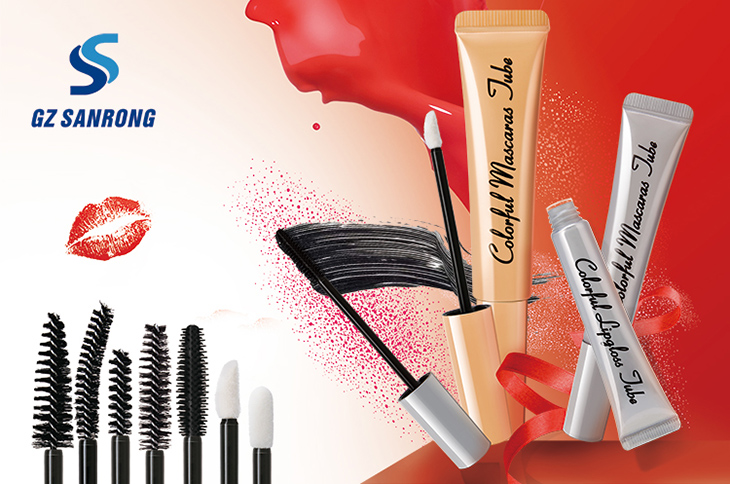
Most tubes look great on a shelf but crumble after a week of being tossed around with weights and sneakers. The difference comes down to the cap seal and the shoulder construction. A thicker, snap-tight cap with a deep inner rim stops leaks before they start, while a reinforced shoulder keeps the tube from splitting at the seam when something heavy lands on it. You can drop it, kick it, or bury it under a wet towel—the product inside stays put and the exterior doesn't crack or peel.
Then there's the label. Printed directly onto the tube rather than applied as a sticker, it resists abrasion from zippers and keys. No more scratched-off branding or faded directions halfway through the week. The material itself matters too: a slightly matte, soft-touch finish hides minor scuffs and fingerprints, so it doesn't look battered even after months of being shoved into the same pocket as your earbuds.
The final detail is the crimp. A wider, double-folded crimp on the bottom of the tube prevents it from rolling loose or bursting under pressure. It's the kind of thing nobody notices until it fails—and then you're wiping residue off your phone screen. Instead, you get a tube that stays clean, seals shut, and still photographs like new when you pull it out for a quick touch-up.
Why the Last 5% Matters: Designing Tubes That Empty Without a Fight
The last 5% of product stuck in a tube is a universal frustration. Every squeeze leaves a little more behind, and by the time you're cutting the tube open, you've already paid for product you'll never use. It's not just about wasted money; it's about the quiet rage of a design that ignores how people actually use the thing.
Tubes fail at the end because of geometry and surface tension. The flat crimped end creates corners where product hides, and the shoulder near the nozzle traps a ring that refuses to move. A tube that empties without a fight needs a different shape: a rounded interior, a smooth transition to the cap, and materials that reject adhesion. Some designs use a flexible diaphragm or a piston, but even simple changes—like eliminating the sharp crease at the crimp—can recover half of that lost product.
Designing for the last 5% isn't a minor tweak; it's a shift in priorities. When a tube gives up its contents easily, people use less, waste less, and feel respected by the object in their hands. It turns a daily annoyance into a small moment of satisfaction. That's worth more than any marketing claim.
Luxury Without the Landfill: Eco-Resins That Still Catch the Light
Cast from plant-derived monomers and reclaimed industrial byproducts, these eco-resins refuse the old trade-off between opulence and waste. A pendant or side table made from them can hold the same jewel-like translucency as petroleum-based acrylic, yet the raw materials might include pine sap, discarded cooking oil, or glass polish residue. The trick lies in refining these feedstocks until they match virgin resin's refractive index, so light still bends and pools inside the material instead of dulling against impurities.
Small-batch studios are pushing the finish further. Some embed silk offcuts, crushed abalone shells, or metal shavings into the pour, giving each pour a depth that reads as bespoke rather than mass-produced. Because the resin cures at lower temperatures, makers can also reuse silicone molds hundreds of times without warping, which keeps tooling waste out of the skip. The result is a surface that feels cool and glassy to the touch, but carries a quiet backstory of rescued matter.
Durability matters as much as shine. Early bio-resins yellowed or softened under UV, but newer formulations use lignin-based stabilizers and mineral hardeners to hold clarity for a decade or more. That shift means a chandelier or bar top won't need replacing after a few seasons, which is where the real landfill saving happens. Luxury, in this corner of design, is no longer about immaculate virgin polymers—it's about a material that ages slowly, catches light like cut crystal, and leaves almost nothing behind.
Precision as Ritual: Nozzle Design That Turns Application into a Moment
The nozzle doesn't just dispense—it deliberates. A machined brass core narrows the flow to a thread-like stream, so each squeeze feels less like a task and more like a practiced gesture. The slight resistance in the mechanism asks your hand to slow down, to press with intention rather than impulse. It's the kind of tactile pause that turns a quick morning routine into a small ceremony, where the first drop lands exactly where you meant it to.
Consider the angle: a 27-degree taper, barely noticeable until you realize your wrist no longer twists awkwardly to reach the hinge of a jaw or the hollow behind an ear. The aperture is laser-cut, not molded, leaving a rim so fine it licks the formula clean with each release—no crust, no clog, no second-guess. That precision isn't there to impress an engineer; it's there to let you forget the tool entirely and stay inside the moment your fingers meet skin.
And then the weight. A solid-core barrel that sits in the palm like a fountain pen, not a plastic tube. You might find yourself turning it over before use, not out of habit but out of recognition—this object was made for a ritual, not a rush. The cool touch grounds you. The faint click of the cap seating back into place becomes a closing note. Application stops being something you do and starts being something you notice doing.
Beyond the First Unboxing: Tubes That Stay Beautiful After Weeks of Use
The real test of a tube isn't how it looks in the first five minutes, but how it holds up after dozens of squeezes, a few drops on the bathroom floor, and the slow creep of toothpaste or lotion residue. Cheap tubes start to look tired fast—labels peel at the edges, the body wrinkles unevenly, and the cap gets that cloudy, scratched-over finish. The ones that stay beautiful are different. They use a slightly matte or soft-touch surface that doesn't pick up fingerprints, and the printed graphics are protected under a clear overcoat so the colors stay crisp even when the tube flexes.
What often gets overlooked is the shape memory of the material. A well-designed tube doesn't collapse into a crumpled mess after the first use. It springs back just enough to keep its silhouette, so it still looks full and intentional on the counter. The shoulder and cap are also part of this—rounded, smooth transitions without sharp edges mean no cracks or chipped paint after a few weeks of handling. You start to notice how the cap aligns with the body, how the seams are tucked away, and how the label doesn't shift or bubble when the tube is rolled up from the bottom.
It's a quiet kind of quality. Nobody posts about a tube that still looks brand new on day thirty, but that's exactly the point. You reach for it without thinking, and it doesn't annoy you with peeling corners or a lid that's gone cloudy. That kind of durability comes from choosing the right laminate layers and testing the print adhesion under repeated flexing, not from adding more plastic. After a while, the tube becomes part of the routine, not something you hide in a drawer.
FAQ
Look for an aluminum barrier laminate or an EVOH layer inside a plastic tube, plus an airless dispensing closure that minimizes product contact with oxygen after opening. The tube's orifice should be narrow enough to limit backflow, and the inner coating needs to resist acidic formulas so the serum doesn't react with the metal or plastic.
A soft-touch matte finish, a slightly heavier cap with a satisfying click, and a tube body that bounces back smoothly after squeezing. Printing with subtle raised varnish or a metallic hot stamp on the shoulder also adds a sense of precision that glossy stock tubes lack.
Start with a stock tube shape and use digital printing for limited runs, then combine it with a custom closure and a wraparound label or shrink sleeve. Many suppliers allow you to mix standard diameters with unique decoration, so the tube looks bespoke even though the mold cost is zero.
Post-consumer recycled HDPE or mono-material PE tubes work well for high-viscosity products if you adjust the shoulder and cap design to prevent splitting. Sugarcane-based polyethylene is another option that keeps the same durability while reducing fossil-based inputs, and you can pair it with a recyclable PP cap.
For a body lotion, a larger diameter round or oval tube with a flip-top cap allows quick, generous dispensing. For an eye cream, a slim tube with a needle-nose or rollerball applicator gives more control, and the smaller surface area reduces air exposure for the delicate formula.
Screen printing with flexible UV inks or a digitally printed laminate with a protective over-varnish holds up best under repeated deformation. Hot stamping can crack if applied too thick, so it's better reserved for the cap or shoulder rather than the main squeeze zone.
Tubes require different filling nozzles and often a sealing step at the open end, so you need to confirm the tube's diameter and wall thickness match your filler's capabilities. Also test the crimping or heat-sealing process with your actual formula, because oily or silicone-heavy products can affect seal integrity.
Conclusion
The way a tube yields under pressure tells a story before a single drop reaches the skin. A soft, controlled squeeze with a clean, crisp seal makes the first encounter feel intentional rather than disposable. That tactile moment quietly signals quality, while the closure snaps back without leaving a messy rim. When a tube survives weeks in a gym bag without dents, scratches, or leaks, it earns a place on the vanity instead of a drawer. Durability is not just about surviving impact; it is about staying photo-ready from first use to last. Every scuff and cracked cap breaks the spell, so materials and coatings are chosen to resist the chaos of daily life while still feeling luxurious in hand.
Emptying a tube should never feel like a fight. Clever internal geometry and a well-shaped shoulder guide product toward the nozzle, so that last stubborn 5% glides out just as easily as the first. Eco-resins now capture the light with a depth that once belonged only to virgin plastics, proving sustainability and shelf presence can coexist without compromise. A precision nozzle turns application into a small ritual, delivering the right amount with a soft, deliberate flow. Over weeks of use, a thoughtfully designed tube keeps its label crisp, its surface unclouded, and its color true, reinforcing the brand every morning and evening. These details do not shout; they accumulate, building trust and turning daily skincare into a quiet luxury.
Contact Us
Contact Person: Alex Wu
Email: [email protected]
Tel/WhatsApp: 86-20-37965868
Website: https://www.gzsanrong.com/en.html