

Foot Spa Massager Exporter Strategies for Building a Resilient Wellness Supply Chain
2026-11-18
Wellness brands chasing stable overseas orders know the real bottleneck isn’t always the foot spa massager itself—it’s the chain behind it. From component shortages to port delays, one weak link can wipe out a quarter’s momentum. This piece unpacks practical exporter strategies for building a supply chain that bends without breaking, with XINGBU as a working example of supplier-level resilience.
The Real Reason Foot Spa Heaters Fail in Transit
Most foot spa heaters that arrive dead never show a cracked shell or a punctured box. The damage happens at a scale that standard inspection misses. PTC ceramic heating elements are brittle, and their edges sit against metal electrode plates under spring pressure. During transit, low-frequency road vibration allows the ceramic to shift a few microns at a time. Eventually a hairline fracture runs from one edge toward the center. The element can still pass a quick continuity check, but it fails once current loads and thermal expansion open the crack.
Foam cradles do a decent job against drops, but they do almost nothing for sustained vibration. A foot spa heater is often held by plastic tabs, and the mass of the heating assembly works like a tuning fork on long hauls. The wiring terminals absorb that movement at the crimp points. Copper work-hardens, resistance climbs, and the connection becomes a hot spot. By the time the customer fills the basin and switches it on, the terminal can burn open within minutes.
Temperature swings add another layer. In a cold trailer or a humid container, the plastic housing contracts faster than the aluminum heat spreader inside. Mounting screws lose preload, and the PTC wafer no longer presses evenly against the heat sink. The heater may turn on, but the uneven contact triggers the thermal cutoff early or creates a hot zone that warps a seal. None of this looks like shipping damage, so returns get blamed on the product itself.
Stock Buffers That Match Q4 Wellness Imports
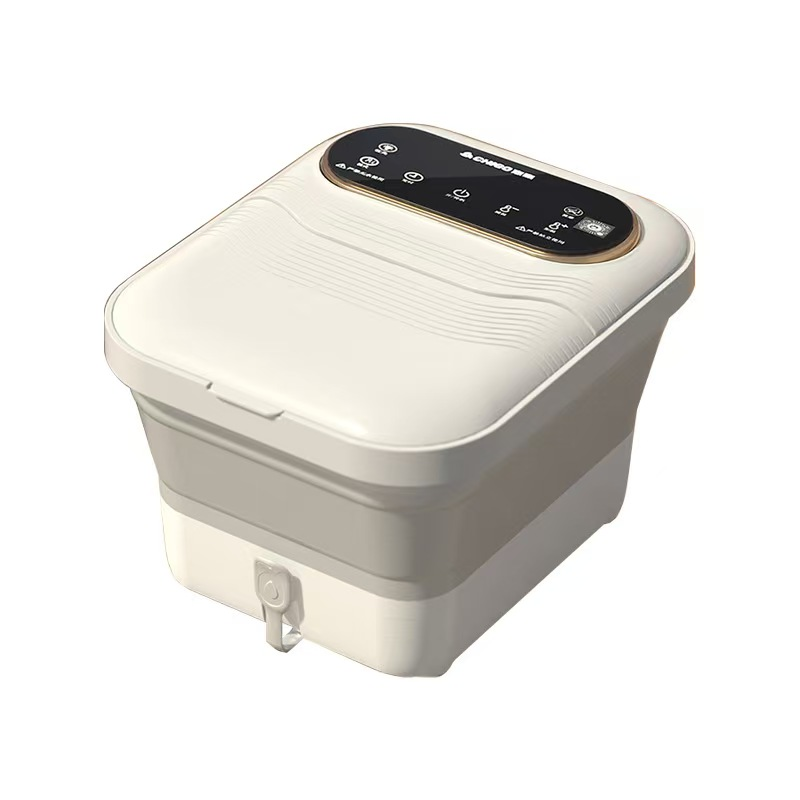
Keeping a wellness shelf fully stocked through the final stretch of the year can feel like a guessing game, but a few targeted buffers make the difference. Focus on shorter-dated staples that move quickly in colder months, such as vitamin D drops, elderberry syrups, and herbal throat sprays. Ordering an extra ten to fifteen percent of these high-turnover items in early October gives you room to absorb supplier delays without overcommitting to slow stock.
Another useful buffer is a small reserve of versatile base products that pair well with seasonal promotions. Think plain magnesium powders, unflavored collagen, and single-ingredient teas. These items are less sensitive to flavor trends, so they can be bundled into winter wellness kits or offered as add-ons when specific blends run low. Keeping this reserve separate from your main shelf display prevents it from being picked into regular orders too early.
Finally, build a rolling review that compares weekly sales velocity against the remaining weeks in the quarter. If a product's daily run rate starts to climb before the holiday rush, a modest reorder of twenty percent above the new baseline often prevents a gap. The goal is not to fill the backroom with everything, but to hold just enough of the right items so Q4 wellness imports keep moving without a visible pause.
Port Delays and the Case for Split Freight
When congestion builds at major gateways, the assumption that a single consolidated shipment will move faster often collapses. Vessels idle at anchor, containers stack in yards, and customs clearance windows slip. Splitting freight across two or three smaller consignments can look counterintuitive on paper, but in practice it spreads exposure. One lot may arrive through a less crowded secondary port while the rest clears the bottleneck; the result is partial stock availability instead of none.
There is also a cash-flow logic that gets missed in freight tenders. A portion of inventory landing earlier can be sold or used in production while the remainder is still at sea or waiting for a berth. The extra handling costs and slightly higher per-unit ocean charges may be offset by avoiding missed orders, emergency airfreight, or storage charges that pile up when everything finally lands at once.
The approach is not a fix for bad planning, but it has become a practical buffer against unreliable schedules. Shippers that once refused split consignments now use them selectively for seasonal stock, critical spare parts, or regions with recurring terminal slowdowns. In that sense, split freight works less as a cost-saving measure and more as insurance against the unpredictable rhythm of port operations.
Traceability Data Buyers Actually Read
Most traceability reports are padded with shipment milestones and generic audit summaries. Buyers skim those. The details that actually get read tend to be narrow: lot-level source confirmation, exact dates and locations where custody changed, and any exception notes attached to a batch. If those three elements are missing or vague, the rest of the file rarely matters.
A useful pattern is to show the evidence chain in reverse. Start with the finished product reference, then walk backward through the final processing date, the inbound raw material lot, and the farm or supplier identification. Buyers reviewing this data often compare it against their own receiving logs, so mismatched timestamps or unexplained substitutions create more friction than missing attachments.
What holds attention is not volume but contradiction-free detail. A short note explaining a temperature deviation during transit or a late harvest date is worth more than a dozen pages of boilerplate compliance language. Clear, honest exception reporting tends to build more confidence than a spotless record that looks too clean to be true.
Nearshore Assembly for Faster Reorders
Reorder delays are rarely caused by slow production lines. They are usually baked into the distance between final assembly and the customer. Nearshore assembly removes much of that distance, allowing final configuration, packaging, and boxing to happen close to your key markets instead of across an ocean.
The day-to-day advantage is flexibility. Components can be staged in regional hubs, so when a particular SKU starts moving faster than expected, assembly and shipping adjust in short cycles. There is no need to lock in a finished product mix months ahead or hold excess inventory on every variation.
Replenishment becomes a much tighter loop. You reorder against what is actually selling, turn stocked components into finished goods on a timetable that matches demand, and avoid the long gap that forces distributors to overbuy or scramble for airfreight.
After-Sales Hubs That Reduce Return Shipments
A well-placed after-sales hub changes the math on returns before a customer even thinks about sending something back. Instead of routing every faulty or unwanted item to a central warehouse, these hubs handle inspection, minor repair, refurbishment, and even same-unit replacement on the spot. The result is fewer packages bouncing across the country, lower freight costs, and a customer who walks away with a working product rather than a refund request.
The real leverage comes from what happens during that first in-person exchange. A trained technician can spot whether the issue is a loose cable, a firmware glitch, or a genuine defect. Simple fixes happen in minutes. If a swap makes more sense, the hub pulls from a reserve of tested units and sends the returned one into a local refurb loop instead of a long-haul trip back to the origin. This keeps inventory moving in tighter circles and cuts the carbon and cost tied to reverse logistics.
For many product categories, hubs also act as a filter for avoidable returns. When a customer sees that a slight scuff can be buffed out, or that a missing accessory can be replaced immediately, the urge to return the whole package fades. Over time, that changes behavior: people start treating the hub as a first stop for problems, not the shipping counter. Fewer needless return labels, fewer restocking fees, and a support channel that feels local rather than distant.
FAQ
Resilience comes from designing slack, backup suppliers, and visibility into lower-tier component flows. Efficiency alone tends to remove buffers, so when a motor or control board shipment slips, the whole line stalls. Exporters need alternate sources for heating elements, pumps, and PCB assemblies before shortages hit, plus a clear view of lead times at every tier.
Start by mapping where critical components actually originate, not just where final assembly happens. Then qualify second-source suppliers for motors, rollers, and water-resistant enclosures in different locations. Dual sourcing may raise unit costs slightly, but it keeps orders moving when one region faces port congestion, power restrictions, or regulatory shifts.
The key is building flexible routing options rather than locking into the cheapest lane. That includes a mix of ocean and rail freight, buffer stock near major entry ports, and clear agreements on who absorbs demurrage or detention fees. Exporters should also pre-clear documentation for key markets so a single missing certificate does not hold up a container.
Use a segmented approach: keep high-turnover finished models in regional hubs, hold semi-finished units that can be configured late, and maintain safety stock only for components with long lead times or few suppliers. This avoids overstocking bulky finished goods while still allowing quick response when a retail buyer raises a reorder.
Quality problems are a silent disruptor. A batch of faulty heaters or leaking seals can trigger returns, rework, and lost reorders, which puts more pressure on the chain than a delayed shipment. Exporters should audit critical suppliers, test incoming components by lot, and run small-batch pilot production before scaling any new source.
Move beyond transactional pricing by sharing demand signals, lead time changes, and product roadmaps early. Offer realistic allocation plans when capacity is tight, and give distributors enough notice about packaging or voltage changes. This makes buyers more willing to accept substitutes or adjusted timelines during disruptions instead of switching suppliers.
Watch supplier payment delays, rising defect rates, sudden changes in quoted lead times, and freight rate volatility on key lanes. Also track port dwell times and the availability of specialized components like UL-certified power cords. If several weak signals appear together, it is usually time to activate backup plans rather than wait for a confirmed failure.
Conclusion
Most foot spa heater failures during transit are not random defects; they come from moisture intrusion and voltage stress that standard cartons do little to prevent. Exporters who test heating elements under temperature swings and seal them with desiccant see far fewer dead-on-arrival claims. The same disciplined approach works for inventory. Q4 wellness imports rarely move in a straight line, so stock buffers tied to real order velocity outperform static monthly forecasts. Keeping a share of finished units in bonded storage near major ports turns what used to be a supply shock into a manageable adjustment.
When delays hit, routing part of an order through two carriers or different ports often keeps shelves stocked better than chasing a single cheaper container. Buyers do not need more documents; they need traceability records that are quick to scan, with batch test data and trip temperature notes visible at a glance. Nearshore assembly adds another layer of flexibility for repeat orders, allowing core components to ship in bulk while final configuration happens closer to the customer. On the after-sales side, regional hubs that can swap a heater or motor locally prevent small issues from becoming cross-border returns, reducing cost and keeping the supply chain stable across the wellness season.
Contact Us
Contact Person: Hannah
Email: [email protected]
Tel/WhatsApp: +86 18266954198
Website: https://www.okmassager.com/