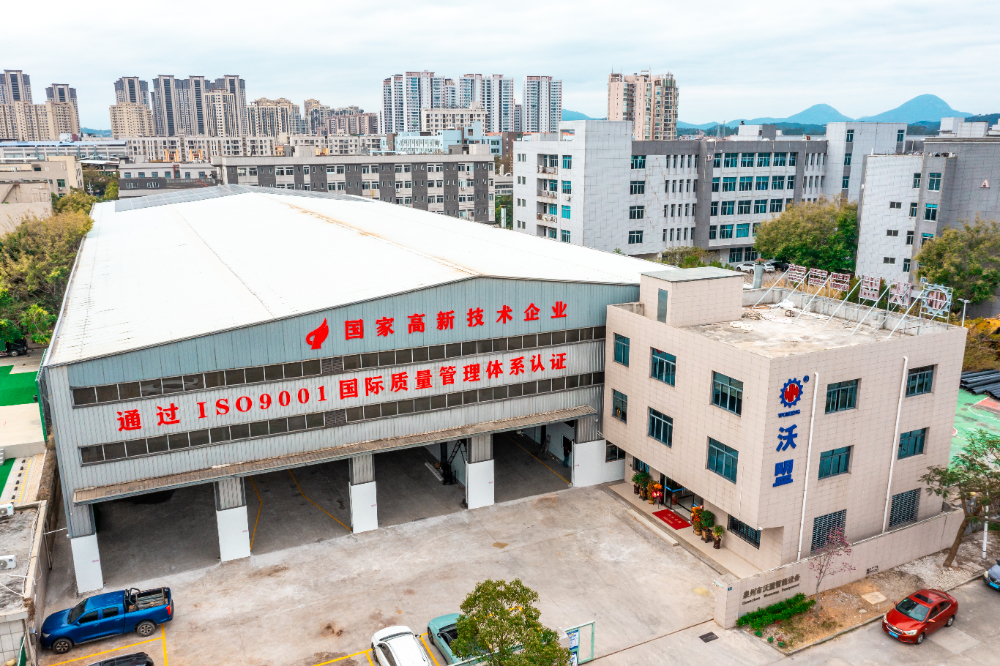

Full Automatic Diaper Machinery: Streamlining Production for Modern Manufacturers
2026-05-08
In today's competitive diaper market, production speed and consistency are non-negotiable. Full automatic diaper machinery is the key to unlocking unprecedented efficiency, reducing waste, and ensuring every product meets strict quality standards. Leading this technological shift is Womeng, a trusted name in advanced manufacturing solutions. In this post, we explore how automation is reshaping the industry and why investing in the right machinery can future-proof your business.
Redefining Efficiency: The Core of Automated Diaper Production
In the world of diaper manufacturing, efficiency isn’t just about speed—it’s about achieving flawless output with minimal resources. Automated systems now synchronize every stage, from material feeding to packaging, eliminating manual errors and reducing cycle times dramatically. By integrating high-speed cutters, vision inspection, and precision folding mechanisms, production lines maintain consistent quality while operating at unprecedented velocities. This redefinition of efficiency transforms what was once a labor-intensive process into a streamlined, data-driven operation.
At the heart of this transformation lies real-time monitoring and adaptive control. Sensors embedded throughout the line continuously track tension, alignment, and material usage, feeding information to centralized controllers that make adjustments in milliseconds. Rather than relying on periodic quality checks, manufacturers now prevent defects before they occur. Predictive maintenance algorithms further enhance uptime by flagging wear in critical components before a failure disrupts production. These intertwined technologies allow facilities to produce millions of diapers daily with minimal scrap, achieving a level of resource optimization that sets new industry benchmarks.
Precision Engineering: How Smart Tech Transforms Manufacturing
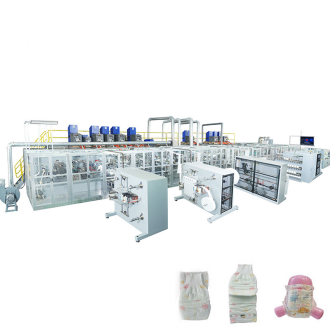
In today's manufacturing landscape, the convergence of sensors, machine learning, and real-time data analytics has reshaped the very foundation of precision engineering. Rather than relying on periodic checks and post-production inspections, production lines now embed intelligence directly into the process. Tiny, high-resolution sensors continuously track variables like temperature, vibration, and tool wear at the micron level. This constant feed of information allows feedback loops to make micro-adjustments on the fly, preventing deviations before they become defects. It's a shift from reactive correction to proactive control that dramatically reduces waste and raises consistency.
What makes these systems particularly effective is their ability to learn and adapt over time. Advanced algorithms analyze historical and real-time data side by side, spotting patterns that no human operator would ever notice. A slight increase in spindle vibration, for example, might signal an impending tool failure days in advance. The system can then schedule maintenance during planned downtime, avoiding costly interruptions. The result is a manufacturing environment where tolerances are consistently held within single-digit micrometers, and unexpected breakdowns become increasingly rare.
Beyond the machinery itself, smart technology transforms how engineers interact with the production chain. Digital twins—virtual replicas of physical assets—allow teams to simulate changes, test scenarios, and optimize workflows without ever touching a physical part. When an order requires a new material or a tweak to a component's geometry, the digital twin predicts how the line will respond. This capability shortens transition times between batches and supports true mass customization. In such a setting, precision engineering isn't just about hitting a number; it's about doing so flexibly, efficiently, and with minimal human intervention.
Customization at Scale: Meeting Diverse Market Demands
Balancing personalization with efficiency is no small feat, yet it has become essential for companies aiming to capture varied consumer preferences across regions. The traditional one-size-fits-all model falls short when customers expect products tailored to their specific needs, cultural nuances, and local trends. By rethinking product architectures into modular components, organizations can mix and match features without reinventing the entire production line each time.
Advances in digital fabrication and just-in-time manufacturing have turned this vision into a practical reality. Rather than holding vast inventories of finished goods, factories now assemble orders on the fly based on real-time demand signals. This shift reduces waste and allows for rapid adjustments when new customer behaviors emerge—whether it is a preference for sustainable materials in Scandinavia or compact designs in urban Asian markets.
Behind the scenes, a constant feedback loop between consumer data and production workflows ensures that customization remains scalable. Instead of guessing which variations will succeed, companies can test small batches, analyze response patterns, and refine offerings continuously. This approach deepens market relevance while keeping costs in check, proving that mass customization is not an oxymoron but a disciplined strategy for growth.
Quality Assurance: Minimizing Defects with Integrated Systems
When teams work in disconnected silos, errors slip through the cracks all too easily. Integrated systems change the game by stitching together every stage of production into a single, cohesive flow. Instead of scrambling to reconcile mismatched data or relying on outdated snapshots, everyone works from the same real-time picture. This unified approach means potential issues surface immediately, not days later when they’ve already compounded into costly rework.
Automation plays a quiet but powerful role here. Routine checks that once depended on manual oversight—and were therefore prone to human fatigue—can now run continuously in the background. Defects get flagged the moment they appear, without anyone having to go looking for them. More than just catching mistakes, these smart workflows often predict where problems might crop up next, letting teams shift from firefighting to fine-tuning before the customer ever sees a flaw.
Perhaps the biggest shift is cultural. With transparent, integrated tools, accountability isn’t about pointing fingers—it’s about shared ownership of quality. Developers, testers, and operations folk can trace a defect back to its source in minutes, not days. That clarity builds trust and encourages a mindset where preventing defects feels like a collective win, not just a box to check off before release.
Cost Dynamics: Balancing Investment and Long-Term ROI
Many firms fixate on upfront expenditure, but the real story unfolds over years. A cheaper option today might demand frequent repairs or drain productivity, eroding the bottom line. Smart leaders map out total cost of ownership, weighing maintenance, upgrades, and operational disruptions. This mindset shifts the conversation from “what can we afford now” to “where will this take us in a decade.”
Consider industrial equipment: a bargain machine may run on outdated energy standards, spiking utility bills month after month. The premium model, with its efficient design, compensates for the higher price tag through reduced consumption and fewer breakdowns. Over a typical service life, the cost per unit of output often tilts heavily in favor of the steeper initial investment.
The calculus gets trickier with intangibles like software platforms. Licensing fees are visible, but training time, user frustration, and lost opportunities hide in the shadows. When teams spend hours wrestling with clunky interfaces, the hidden cost dwarfs the licensing savings. A platform that slips into workflow seamlessly might cost more on the invoice but pays back in sustained momentum and morale.
Sustainable Production: Eco-Friendly Practices in Diaper Machinery
Manufacturers are rethinking every stage of diaper machine operation to reduce environmental impact. This starts with energy-efficient drives and smart heating systems that dramatically cut electricity use during high-speed production. Newer lines often recover heat from embossing or ultrasonic bonding stations, repurposing it to pre-warm materials or maintain controlled cleanroom temperatures. Such closed-loop energy strategies not only shrink the carbon footprint but also lower operational costs, making eco-friendly choices a practical business decision rather than just an ethical one.
Material waste is being tackled through precision application technologies. Advanced vision systems and servo-driven dispensers now place adhesives, tapes, and elastic strands with sub-millimeter accuracy, virtually eliminating trim waste. Some machinery incorporates real-time reel diameter monitoring and automatic splicing that lets raw material rolls run down to the core, reducing leftover waste. When combined with the ability to process bio-based films and nonwoven materials more gently to avoid tears, these features ensure that sustainability doesn’t compromise the durability or performance of the final diaper.
Beyond the machine itself, digital tools are enabling a circular mindset. Predictive maintenance platforms minimize resource-intensive emergency repairs and extend equipment lifespan, keeping heavy machinery out of landfills longer. Production analytics help operators fine-tune processes for minimal material and energy use per unit, while modular machine designs allow for future retrofits—so a single line can adapt to new sustainable materials without a complete overhaul. In this way, eco-friendly diaper machinery isn’t just about building a greener machine today; it’s about designing a platform that stays efficient and relevant for decades.
FAQ
Full automatic diaper machinery is an integrated production line that handles all stages—from raw material feeding to finished product packaging—without manual intervention. Unlike semi-automatic systems that require operators for certain steps, these machines use advanced sensors and servo drives to maintain consistent quality and higher speeds, reducing labor costs and human error.
Automation eliminates bottlenecks by synchronizing processes like elastic attachment, core formation, and folding. With real-time monitoring and automatic adjustments, it minimizes downtime and material waste. This seamless integration allows manufacturers to scale output quickly, meet tight deadlines, and adapt to market trends without sacrificing quality.
The primary advantages are speed, consistency, and cost-efficiency. A fully automatic line can produce up to 800 diapers per minute with precise cut-and-place accuracy, whereas manual systems are prone to variations. Additionally, reduced reliance on skilled labor means lower long-term operational costs and fewer production disruptions.
Yes, most modern machinery features modular designs and recipe-driven controls. Operators can switch between baby, adult, or specialty diapers with minimal changeover time—often just a few minutes on a touchscreen. This flexibility is crucial for manufacturers serving diverse markets.
They incorporate vision inspection systems that detect flaws like missing tapes or uneven glue application in real time. Some machines also log production data for traceability, automatically rejecting defective units and alerting staff to trends, ensuring only perfect products leave the line.
While upfront investment is higher, the total cost of ownership decreases over time due to lower waste, faster throughput, and reduced labor. For example, precise material dispensing can cut raw material usage by 3-5%, and fewer quality claims boost customer trust and repeat orders.
It's increasingly accessible. Many suppliers offer compact, entry-level automatic lines tailored for smaller volumes, with scalable options to upgrade as demand grows. Leasing models and retrofitting services also make it feasible for businesses to adopt automation without massive capital outlay.
Routine tasks include cleaning, lubrication, and sensor calibration. Predictive maintenance using IoT sensors monitors component wear and alerts before failures occur, drastically reducing unplanned downtime. Most reputable suppliers provide remote diagnostics and quick-response support to keep lines running.
Conclusion
The shift toward fully automatic diaper machinery marks a decisive leap for manufacturers aiming to balance speed with meticulous quality control. At its heart lies a redefined notion of efficiency—not just in raw output, but in the seamless orchestration of every stage, from material feeding to final packaging. Smart sensors and precision engineering work in tandem, allowing machines to self-adjust in real time, minimizing waste and ensuring each diaper meets exact specifications. This integration of technology transforms the production floor into a responsive ecosystem where defects are caught early, and consistency becomes the baseline, not the goal.
Beyond the technical finesse, these systems tackle the real-world pressures of diverse markets and tightening budgets. The ability to swap between sizes, absorbency levels, and even eco-friendly materials without lengthy retooling gives producers the agility to respond to shifting consumer demands. While the initial investment may raise eyebrows, the long-term arithmetic speaks for itself—lower labor costs, less raw material loss, and dramatically reduced downtime converge into a robust return on investment. Pair this with built-in sustainability features like optimized energy use and reduced scrap, and it’s clear that modern diaper machinery isn’t just about keeping pace; it’s about future-proofing a business while quietly shrinking its environmental footprint.
Contact Us
Contact Person: Jessie Lai
Email: [email protected]
Tel/WhatsApp: 86-188594442931
Website: https://www.wm-machinery.com