

Gift Box Original Manufacturer Guide to Premium Custom Packaging
2026-10-08
Ever unwrapped a gift and felt the box itself was part of the present? That’s the power of premium custom packaging—and it starts long before the ribbon goes on. If you’re sourcing gift boxes, skipping middlemen and working directly with an original manufacturer can change everything: lead times, costs, and the kind of detail that makes a brand unforgettable. At Kuaijie Carton, we’ve spent years perfecting that craft, and this guide walks you through what to look for—from materials to finishes—so your packaging doesn’t just hold a product, it tells a story. Let’s open the box.
What to Look for in a Manufacturer That Owns Its Gift Box Production Line
A manufacturer that actually runs its own gift box production line gives you something most resellers can’t: direct control over tolerances, finishes, and paper stock. You’re not relying on a middleman to relay changes or flag defects—the people cutting, folding, and assembling your boxes are under the same roof as the person you call. That makes rush revisions and small-batch tweaks far less painful, because there’s no third-party queue to wait on.
Look closely at how they handle materials and waste. In-house production usually means they’re buying board, foil, and ribbon at volume, which can translate into sharper pricing and more consistent color matching from run to run. It also means they’re accountable for every step: if a magnetic closure fails or a tray insert doesn’t sit flush, there’s no outside vendor to blame. Ask to see their reject rate and how they track line efficiency—solid numbers there tell you more than a polished catalog ever will.
Finally, pay attention to their capacity planning. Owning the line is only valuable if they can actually schedule your order without bumping you for bigger clients. Get a clear read on minimums, changeover times, and whether they keep common box formats in stock or tooling ready. A truly integrated setup will let you move from a flat sample to a finished, hand-checked carton without losing weeks in back-and-forth.
Rigid Box Styles That Add Perceived Value Without Inflating Shipping Costs
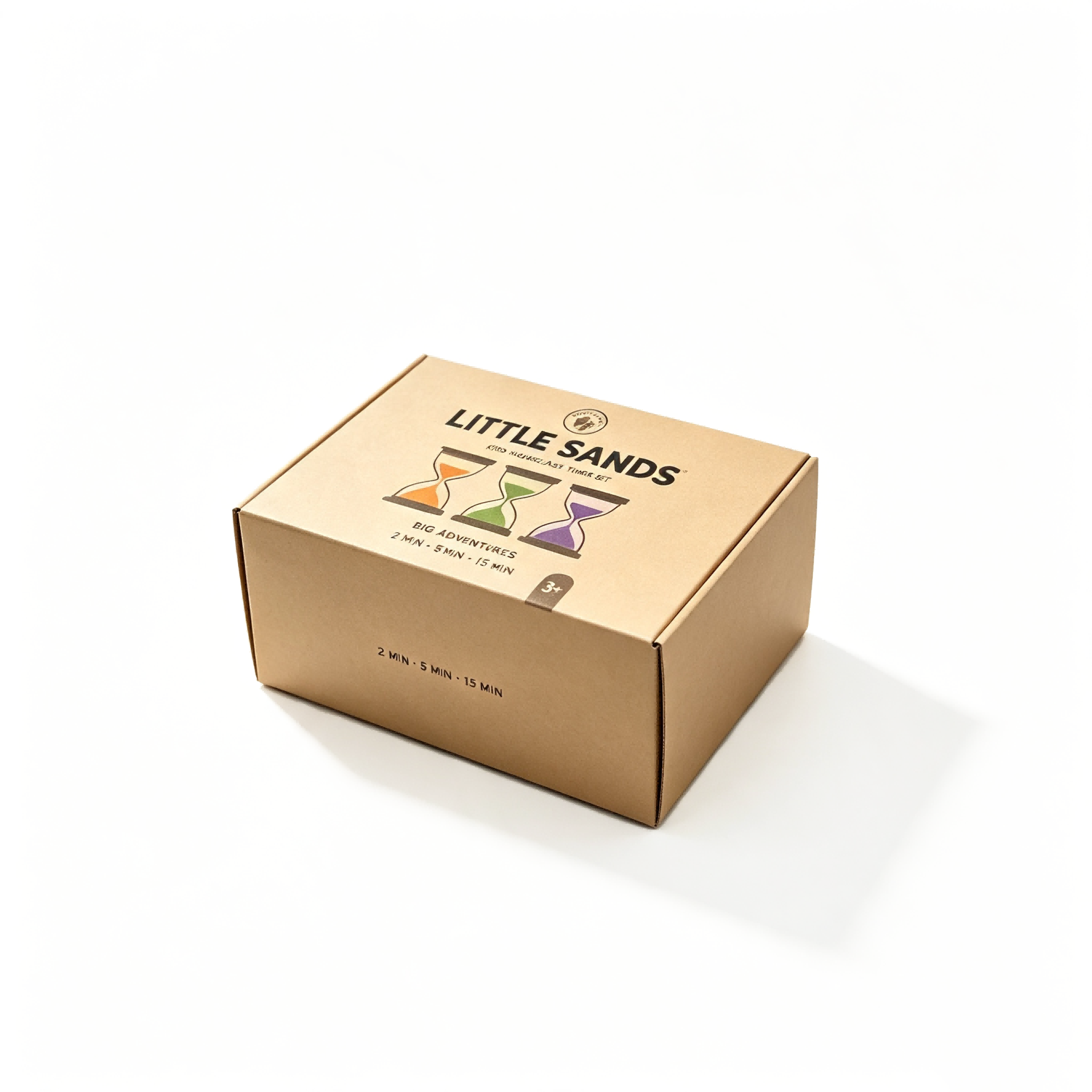
A well-chosen rigid box can do wonders for how customers perceive a product, yet many brands assume that premium packaging automatically means heavier, bulkier shipments. The reality is more nuanced. Certain structural designs deliver a high-end feel while keeping dimensional weight in check. Look for options like slim-profile telescopic lids, which use two thin trays rather than a thick single-wall construction. These styles maintain that satisfying lift-off moment without adding unnecessary cubic volume. Similarly, shoulder boxes with a shallow base and a recessed lid can feel substantial in the hand yet pack efficiently because the walls are only slightly thicker than folding carton stock, not the heavy chipboard often associated with luxury rigid packaging.
Another approach is to focus on tactile and visual details instead of sheer board thickness. A reverse-tuck rigid sleeve with a subtly textured wrap or a soft-touch laminate can convey opulence while the overall footprint stays close to the product dimensions. Partial wraparound bands, where the rigid base is exposed on two sides, reduce material use and weight. These designs often travel in standard mailer boxes without extra void-fill, since the product itself supports the structure. The key is to view the box not as a single heavy shell, but as a system where lid, base, and internal fitments work together to create stiffness where it matters most—around the product—rather than uniformly through every panel.
Brands that monitor shipping costs closely often turn to collapsible rigid styles that are shipped flat to the fulfillment center and erected on demand. A foldable magnetic closure box, for instance, uses a hidden hinge and thin rigid board to mimic the feel of a solid constructed box. Because it arrives flat and only gains depth when assembled around the product, it keeps warehouse storage and outbound carton dimensions lean. Pair this with a fitted insert made from molded pulp or lightweight foam, and the unboxing experience remains structured and deliberate. The perceived value comes from how the box opens, the precision of the fit, and the quality of the surface—not from how much it weighs on a scale.
How to Choose a Finish That Survives Retail Handling and Still Looks Expensive
A finish that holds up to constant picking, sliding, and restocking rarely looks cheap if you focus on texture instead of shine alone. High-gloss surfaces show every fingerprint and micro-scratch under store lighting, so choose a soft-touch matte or fine-grained texture that hides wear while feeling premium in the hand. Add a subtle pearl or metallic flake only in darker tones—these reflect less obvious damage and still catch the eye from a shelf distance.
Ask your supplier for a sample kit and do your own abuse test: rub keys across the surface, drop it from counter height, and wipe it with a dirty cloth. Finishes that survive this tend to be either UV-cured polyurethane or a resilient powder coat with a low coefficient of friction, both of which resist scuffing from neighboring products. Avoid pure soft rubber coatings—they feel expensive at first but pick up lint and peel after a few weeks on display.
Finally, match the finish to the retail context, not just the product category. A matte charcoal finish with a faint orange-peel texture looks deliberate and high-end in both a boutique and a big-box aisle, while a flat black lacquer only works behind glass. If your product will sit near heavy traffic or be handled by staff during restocking, choose a slightly darker shade—it hides edge wear and color transfer from adjacent packaging far better than light neutrals.
Inserts and Trays: Designing the Inside of the Box for Product Protection and Reveal
The interior of a box often gets treated as an afterthought, but the right insert or tray changes the entire unboxing rhythm. Instead of letting a product settle flat against the cardboard, a sculpted cavity or suspended platform can lift it just enough to create a first glance that feels deliberate. This approach works especially well for fragile items like ceramics, electronics, or glassware—where the insert does double duty by absorbing shock and guiding the customer’s hand toward the safest lift point.
Material choice here is more than a protective decision; it shapes the tactile moment. Molded pulp and die-cut foam offer precise, repeatable fits for high-volume runs, while cork, felt, or recycled fiberboard introduce warmth and a softer landing for premium or eco-conscious brands. Layering materials can add depth: a rigid paperboard tray with a thin foam pad beneath the product, for instance, keeps the reveal crisp without sacrificing cushioning. The goal is to make the interior feel intentional, not like generic packaging filler.
When the insert is designed around the product’s weight and shape, it also cuts down on returns caused by transit damage. A snug fit prevents lateral movement, and a raised base keeps impact away from corners. At the same time, small touches—like a finger notch, a pull ribbon, or a printed pattern on the tray floor—turn the opening into a quieter kind of storytelling. The inside of the box should hold the product securely but also pause the moment just long enough for anticipation to build.
From Digital Proof to Final Shipment: A Realistic Timeline for Custom Gift Boxes
Most custom gift box projects move through a predictable rhythm, but the actual wait hinges on a few choices you make early on. After you settle on a dieline and structural design, the first digital proof usually lands in your inbox within three to five business days. That proof isn't just a pretty picture—it shows fold lines, bleed areas, and where your logo sits relative to the box edges. Clients who catch issues at this stage save themselves about two weeks compared to those who request changes after printing starts.
Once you approve the proof, production typically takes ten to fourteen business days for a standard run of rigid boxes or folding cartons. If you're adding foil stamping, embossing, or interior printing, add another three to five days because each finishing pass needs its own setup and drying time. A realistic timeline from final approval to boxes leaving the factory is usually three to four weeks, not including freight.
Shipping is where the timeline gets less predictable. Ground freight within the same country often takes four to seven business days, while international sea freight can stretch to five or six weeks once you factor in port congestion and customs clearance. Ask your supplier for a single-date commitment—like "boxes arrive by the 15th"—rather than a vague "two to three weeks" after production. That small shift in language forces everyone to plan backwards from your unboxing moment, not forward from the factory floor.
Using Recycled and FSC-Certified Materials Without Losing the Premium Touch
Sustainability rarely feels luxurious, but this collection changes that expectation. We source recycled polyester and FSC-certified wood fibers not as a compromise, but as a starting point for refinement. The recycled yarns are spun to a fine gauge that rivals virgin materials in softness and drape, while the FSC-certified cellulose is processed to retain a silky hand. The result is a surface that invites touch, with a subtle depth that only comes from carefully selected input streams.
The premium character lives in the details: tightly controlled knitting tensions, a matte finish that resists pilling, and colors dyed in small batches to avoid the flatness often found in eco-conscious fabrics. Instead of broadcasting its recycled origins with a rough, homespun texture, the material whispers quality through a weighty, smooth hand and a quiet luster. It feels like a well-kept secret—customers notice the elegance first and learn about the responsible sourcing second.
Durability reinforces the luxury. FSC-certified fibers are chosen for their long staple length, reducing breakage and fuzzing over repeated wear. Recycled content is blended with a small percentage of long-fiber virgin material to stabilize the yarn, preventing the thinning and bagging that plague lower-tier sustainable fabrics. This pragmatic mix keeps the fabric crisp and structured season after season, proving that ethical sourcing and a premium feel can occupy the same garment.
FAQ
Check whether they handle materials, printing, and assembly in-house instead of outsourcing every step. A reliable partner will walk you through past projects, show physical samples without hesitation, and ask about your brand's unboxing goals rather than pushing a generic catalog.
Rigid paperboard wrapped in textured or soft-touch laminate is a common starting point. For a more tactile feel, consider linen, faux leather, or embossed recycled stock. The choice depends on the weight of the product and whether you want a matte, glossy, or fabric-like finish.
It usually begins with a rough idea or reference photo, followed by structural drawings and a digital mockup. Once dimensions and artwork are approved, the manufacturer produces a pre-production sample. After you sign off on the physical sample, bulk production starts, and the boxes are quality-checked before shipping.
Many factories start around 500 to 1,000 units, but some will accept lower quantities if you choose standard sizes or simplified finishing. Be ready for higher per-unit costs at low volumes, since setup fees for dies and printing plates get spread across fewer pieces.
Yes, most experienced manufacturers have an in-house design team that can refine your dieline, suggest paper weights, and adjust print files. They won't replace a brand designer, but they can spot technical issues early—like text too close to the fold or colors that shift under lamination.
They typically set up color calibration on the press, keep a signed approval sample at each workstation, and perform random pulls during gluing and assembly. Ask if they track defect rates and what happens if a batch falls below agreed tolerances.
Expect roughly three to five weeks after final sample approval, though complex finishes like foil stamping, spot UV, or magnetic closures can add a week or more. Shipping time is separate, so plan around your product launch or holiday schedule rather than assuming the factory lead time covers delivery to your door.
Focus your budget on the first touchpoint—the exterior texture and the opening mechanism. A well-chosen paper wrap with a simple magnetic closure often feels more premium than an over-engineered box with multiple inserts. Also ask about standard die lines; custom shapes cost more but don't always improve perceived value.
Conclusion
Choosing a gift box manufacturer that owns its production line changes the conversation from guesswork to accountability. You're not relying on a broker who forwards messages; you're dealing with the people who cut, wrap, and assemble the boxes. That matters when you need to know whether a rigid box can be made slightly slimmer to cut dimensional weight without losing its sturdy, high-end feel. A factory that controls the line can also switch between wrap finishes—soft-touch, linen, or matte lamination—more intelligently, recommending the one that survives scuffs and fingerprints on a retail shelf. Inside the box, custom inserts and trays do two jobs at once: they hold the product firmly so it arrives undamaged, and they create that slow, deliberate reveal that makes a gift feel curated rather than merely packaged.
Timelines are another area where originals stand apart. From digital proof to final shipment, a realistic schedule usually spans three to five weeks, with hard proofs adding a few days and holiday production queues pushing longer. The best manufacturers keep that window honest instead of promising impossible rush dates. They also prove that sustainability doesn't have to mean rough kraft or flimsy board. Recycled and FSC-certified materials can be paired with clean foiling, blind embossing, or a soft-touch laminate to keep the tactile quality buyers associate with premium gifts. The result is packaging that feels intentional: elegant on the outside, protective on the inside, and built by a team that understands both craft and logistics.
Contact Us
Contact Person: Tan Xiang
Email: [email protected]
Tel/WhatsApp: 8613798906863
Website: https://www.dgkjzx.com