

High-Voltage Switchgear Solutions: Optimizing Power Distribution for Industrial Safety and Efficiency
2025-12-24
In the complex world of industrial power distribution, ensuring both safety and efficiency is paramount. High-voltage switchgear plays a critical role in this delicate balance, yet many operations still grapple with outdated systems that compromise reliability. At Lugao, we specialize in cutting-edge high-voltage switchgear solutions designed to optimize your power distribution network. This blog will explore how innovative technologies can enhance operational safety, reduce downtime, and boost overall efficiency. Discover why modern switchgear is no longer a luxury but a necessity for forward-thinking industries. Let's dive into the key strategies that set high-performing power systems apart.
Understanding High-Voltage Switchgear in Industrial Settings
In industrial environments where power demands soar, high-voltage switchgear plays a critical role in managing electrical distribution safely. It's not just about flipping switches; these systems are engineered to control, protect, and isolate electrical equipment, ensuring that operations run smoothly without unexpected downtime. From manufacturing plants to large-scale processing facilities, the right switchgear can mean the difference between seamless productivity and costly disruptions. By handling voltages typically above 1 kV, it allows for efficient power routing while guarding against faults like overloads or short circuits, making it indispensable in settings where reliability is paramount.
What sets modern high-voltage switchgear apart is its integration of advanced technologies that enhance both safety and performance. Innovations such as smart sensors and digital monitoring systems provide real-time insights into electrical conditions, enabling predictive maintenance rather than reactive fixes. This shift not only reduces the risk of catastrophic failures but also extends equipment lifespan, offering a substantial return on investment for industrial operators. Additionally, features like gas-insulated or vacuum circuit breakers minimize environmental impact and improve operational efficiency, showcasing how these systems evolve to meet today's stringent industrial standards.
Beyond technical specs, the true value of high-voltage switchgear lies in its adaptability to diverse industrial applications. Whether it's supporting heavy machinery in an automotive factory or ensuring uninterrupted power in a chemical plant, custom configurations can be tailored to specific needs. This flexibility, coupled with rigorous safety protocols like arc-flash protection, ensures compliance with industry regulations while optimizing energy use. As industries increasingly prioritize sustainability and resilience, investing in robust switchgear solutions becomes a strategic move, empowering facilities to handle high-voltage demands with confidence and precision.
Key Safety Features for Protecting Personnel and Equipment
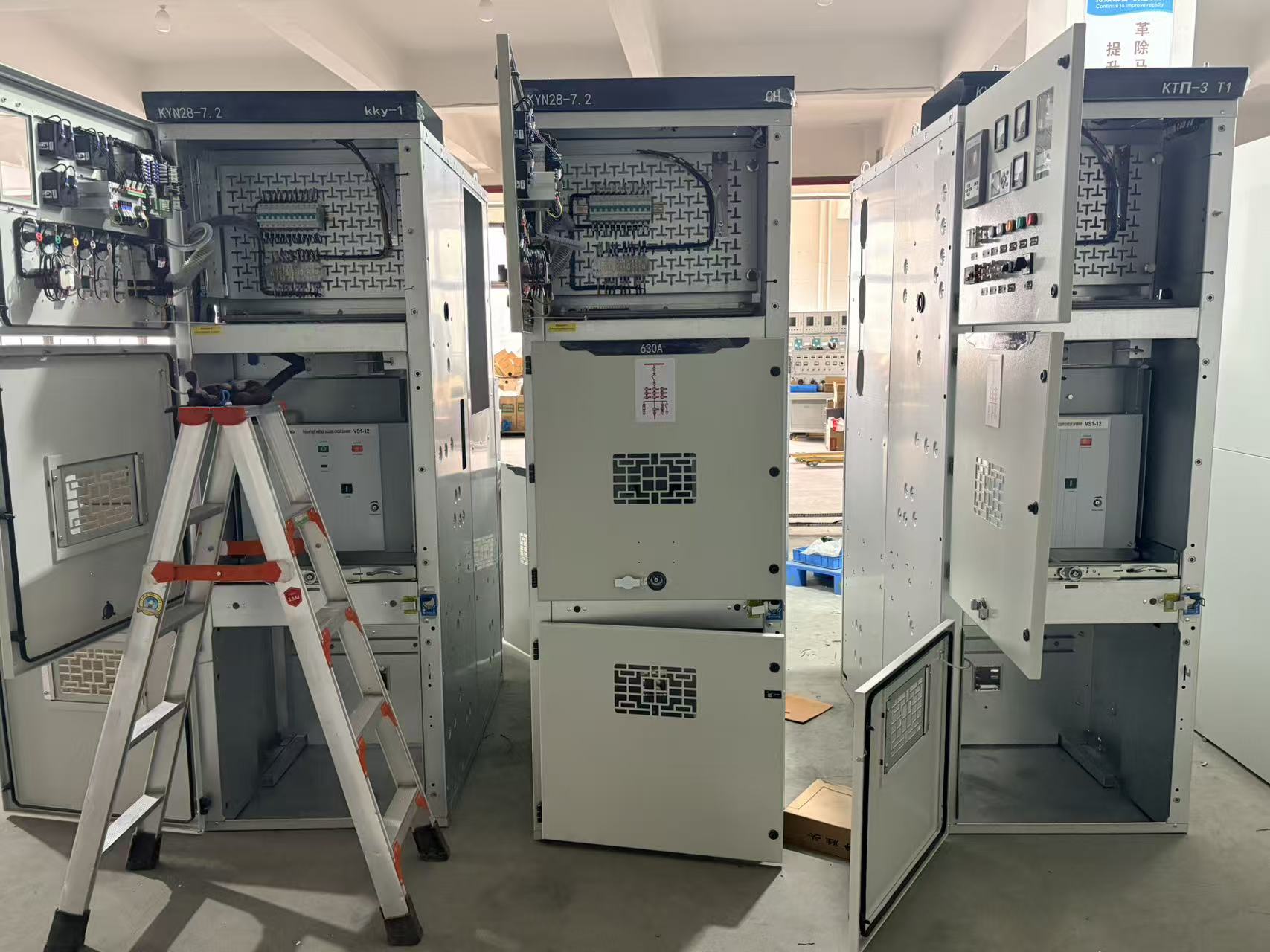
In today's complex operational environments, safeguarding both personnel and equipment demands more than just basic compliance—it requires dynamic, intuitive safety features designed to adapt in real-time. One standout solution is the integration of automated hazard detection systems that utilize advanced sensors and AI algorithms to identify potential threats before they escalate. These systems don't just sound alarms; they provide actionable insights, like predicting equipment failures based on vibration patterns or alerting teams to toxic gas leaks with pinpoint accuracy. This proactive approach not only reduces downtime but also fosters a culture of safety where employees feel genuinely protected, leading to higher morale and productivity.
Another critical aspect is the implementation of robust physical barriers and ergonomic controls that go beyond standard requirements. For instance, some modern facilities incorporate pressure-sensitive floor mats that instantly shut down machinery if a worker steps into a danger zone, eliminating the lag of manual overrides. Coupled with customizable control panels featuring large, color-coded buttons and voice-activated commands, these features ensure that even under high-stress conditions, operators can respond swiftly without fumbling for switches. This blend of human-centric design and cutting-edge technology minimizes human error and prevents costly accidents, setting a new benchmark in operational safety.
< class="content-p">Finally, comprehensive training modules and remote monitoring capabilities round out a holistic safety strategy. Interactive virtual reality simulations allow personnel to practice emergency scenarios in a risk-free setting, building muscle memory for critical responses. Meanwhile, cloud-based dashboards enable supervisors to track equipment health and safety metrics in real-time from any location, ensuring that issues are addressed before they compromise safety. By prioritizing these integrated features, organizations can create resilient environments where both people and assets thrive, distinguishing themselves as leaders in sustainable, forward-thinking safety practices.Efficiency Enhancements Through Advanced Switchgear Design
In today's fast-paced industrial landscape, optimizing operational efficiency often hinges on the unsung heroes of electrical systems: advanced switchgear. By integrating cutting-edge materials like vacuum interrupters or SF6-free alternatives, modern designs significantly reduce energy losses during switching operations. This shift not only lowers electricity bills but also curtails thermal stress on components, extending the lifespan of equipment from decades to potentially half a century with minimal maintenance. Imagine a factory where downtime due to electrical faults drops by 30%—advanced switchgear makes this a tangible reality by enabling faster, more reliable current interruption without the bulky, inefficient designs of the past.
What sets the latest switchgear apart is its seamless marriage with digital intelligence. Embedded sensors and IoT connectivity transform these devices from passive components into active data hubs, continuously monitoring parameters like temperature, load, and arc flash risks. This real-time analytics capability allows for predictive maintenance, where potential failures are flagged weeks in advance, preventing costly unplanned outages. Unlike older models that operated in isolation, advanced switchgear contributes to a smarter grid, dynamically adjusting to load fluctuations and renewable energy inputs—a key edge in industries where every watt of wasted power translates to lost competitive advantage.
Beyond technical specs, the efficiency gains ripple into sustainability and safety realms. Compact, modular designs cut installation times by up to 40% compared to conventional setups, reducing labor costs and minimizing disruption. Enhanced arc-flash protection mechanisms, such as advanced busbar insulation and rapid fault detection, safeguard personnel while ensuring compliance with stringent global standards like IEC 62271. In essence, advanced switchgear isn't just an upgrade; it's a strategic investment that redefines efficiency—melding durability, smart automation, and eco-conscious engineering into a single, robust package poised to future-proof electrical infrastructures against evolving demands.
Custom Solutions for Diverse Industrial Power Needs
When it comes to powering industrial operations, one size definitely doesn't fit all. That's why we focus on crafting tailored power solutions that match the unique demands of different industries—whether it's a manufacturing plant requiring uninterrupted high-voltage supply or a remote mining site needing robust off-grid capabilities. By diving deep into each client's specific challenges and operational rhythms, we design systems that not only meet today's energy needs but also scale seamlessly for future growth, ensuring reliability and efficiency from the ground up.
Our approach goes beyond just plugging in standard components; we integrate cutting-edge technologies like smart grid interfaces and renewable energy hybrids to create adaptable power frameworks. For instance, in the food processing sector, we've implemented modular systems that adjust to seasonal production spikes, while in data centers, we prioritize redundancy and clean power to safeguard critical operations. This hands-on customization means you get a solution that feels like it was built just for your business, reducing downtime and optimizing energy costs in ways off-the-shelf options simply can't match.
Ultimately, our goal is to empower industries to focus on what they do best, leaving the power complexities to us. From initial consultation through ongoing support, we partner closely with clients to refine and evolve their systems, ensuring they stay ahead of regulatory changes and technological shifts. It's this commitment to personalized, forward-thinking engineering that sets us apart, delivering power solutions that are as diverse and dynamic as the industries they serve.
Maintenance Protocols for Long-Term Reliability
Implementing robust maintenance protocols is crucial for ensuring the long-term reliability of any system. To start, it's wise to establish a regular inspection schedule that covers all critical components, not just reacting to issues as they arise. For example, in industrial settings, this might involve monthly checks on machinery bearings to prevent unexpected failures that could disrupt operations.
Beyond routine checks, adopting a proactive approach—such as using predictive analytics to monitor wear and tear trends—can significantly enhance reliability. This method allows for timely interventions before minor problems escalate, reducing downtime and extending equipment life. Many organizations have found that integrating real-time data sensors into their processes offers actionable insights that traditional maintenance schedules might overlook.
Finally, documenting all maintenance activities and outcomes in a centralized database is essential for continuous improvement. This practice not only helps track performance over time but also facilitates training for staff, ensuring consistent application of protocols. By combining regular assessments, advanced monitoring, and thorough record-keeping, businesses can build a resilient framework that supports sustained reliability and operational efficiency.
Case Studies: Real-World Applications and Outcomes
In today's fast-paced business landscape, theoretical frameworks often fall short without practical validation. Real-world case studies serve as crucial benchmarks, providing tangible evidence of how strategies translate into measurable successes. For instance, a leading retail company implemented data-driven inventory management, resulting in a 30% reduction in stockouts and a 20% increase in sales within six months. These outcomes not only highlight the effectiveness of innovative approaches but also offer actionable insights for other organizations facing similar challenges.
Beyond mere numbers, case studies capture the nuanced dynamics of application contexts. In the healthcare sector, a telemedicine platform's deployment across rural areas demonstrated how technology bridges accessibility gaps, improving patient outcomes by 40% through timely interventions. This example underscores the importance of tailoring solutions to specific environments, showcasing adaptability and resilience in achieving sustainable results. Such narratives help stakeholders visualize potential impacts and foster informed decision-making processes.
Ultimately, the power of case studies lies in their ability to humanize data, turning abstract concepts into relatable stories. A recent initiative by a nonprofit organization to promote renewable energy in developing regions not only reduced carbon emissions but also empowered local communities economically. By documenting these multifaceted outcomes, case studies inspire innovation and build credibility, ensuring lessons learned are both relevant and impactful for future endeavors.
FAQ
High-voltage switchgear is a critical component in electrical power systems that controls, protects, and isolates high-voltage circuits. In industrial settings, it's essential for managing power distribution safely and efficiently, preventing equipment damage and potential hazards like electrical fires or shocks.
These solutions enhance safety by incorporating features such as arc flash protection, insulation systems, and remote operation capabilities. They reduce human exposure to high-voltage areas and minimize risks during maintenance, ensuring compliance with strict industrial safety standards.
Modern systems boost efficiency through advanced technologies like smart monitoring, reduced energy losses, and optimized load management. They enable real-time data analysis for predictive maintenance, leading to lower downtime and improved overall energy utilization in industrial operations.
It ensures reliability by providing robust protection against faults, such as short circuits or overloads, and facilitating quick isolation of problem areas. This helps maintain continuous power supply, critical for uninterrupted industrial processes and minimizing production losses.
Important factors include voltage and current ratings, environmental conditions (e.g., temperature or humidity), space constraints, and compatibility with existing infrastructure. Tailoring the solution to specific industrial needs ensures optimal performance and long-term cost savings.
They support sustainability by enabling more efficient energy distribution, reducing waste through precise control, and often incorporating eco-friendly materials. This helps industries lower their carbon footprint and meet regulatory requirements for environmental stewardship.
Digitalization integrates IoT sensors and automation into switchgear, allowing for remote monitoring, predictive analytics, and adaptive control. This leads to smarter decision-making, proactive maintenance, and overall improved system resilience in industrial power networks.
Challenges include aging infrastructure, high maintenance costs, and safety risks during inspections. Modern solutions address these with durable designs, condition-based monitoring, and modular components that simplify upgrades and extend equipment lifespan.
Conclusion
High-voltage switchgear plays a critical role in industrial power distribution, safeguarding both personnel and equipment while ensuring operational efficiency. In industrial settings, understanding the fundamental principles and applications of switchgear is essential for managing high-voltage systems effectively. Key safety features, such as arc-resistant designs, fault detection mechanisms, and robust enclosures, provide vital protection against electrical hazards, reducing risks of injury and equipment damage. By integrating advanced technologies, these solutions enhance reliability and contribute to a safer working environment.
Efficiency improvements are achieved through innovative switchgear designs that minimize energy losses and optimize power flow, tailored to meet diverse industrial needs through custom configurations. Regular maintenance protocols, including inspections and predictive analytics, support long-term reliability and prevent downtime. Real-world case studies demonstrate the practical benefits of these solutions, showcasing successful implementations that boost safety and productivity. Overall, high-voltage switchgear solutions are indispensable for optimizing industrial power distribution, balancing safety and efficiency to drive sustainable operations.
Contact Us
Contact Person: Doreen
Email: [email protected]
Tel/WhatsApp: 8618057712366
Website: https://www.liugaopower.com/