

How China 3D Silicone Heat Transfer Labels Elevate Durable Product Branding
2026-11-18
Most branding fails long before the product does. Logos scratch off, colors fade, and a once-premium item starts looking disposable after a few weeks of handling. That’s the exact problem China 3D silicone heat transfer labels are built to solve. Instead of sitting flat on the surface, the raised silicone layer adds depth, grip, and resistance to abrasion, chemicals, and repeated washing. A Victorygen heat transfer label pushes that idea further, giving brands a way to keep their identity sharp on apparel, bags, and gear that actually gets used. Here’s how the right label changes how long a product—and its branding—stays in the customer’s hands.
Raised silicone turns a flat logo into something people touch first
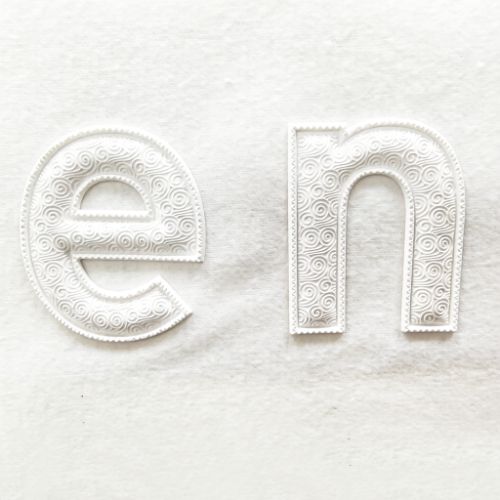
A printed logo usually registers as a visual detail, noticed at a glance and then forgotten. Raised silicone changes that dynamic. The moment fingertips meet the soft, dimensional surface, the brand becomes a physical experience instead of just a mark on fabric or packaging. That small change in elevation invites touch without being overt, turning passive viewers into curious handlers.
The material choice does a lot of quiet work. Silicone has a slight give that feels deliberate rather than gimmicky, and the raised edges catch light in a way flat ink cannot. It reads as premium because the hand notices the difference immediately, even when the eye does not. On caps, bags, tech accessories, or labels, this subtle relief creates a lingering impression that flat decoration rarely achieves.
At the same time, the technique keeps the design clean. The logo shape stays intact, but the added height gives it a tactile hierarchy that guides attention to exactly where the brand wants it. People may not articulate why they keep running a thumb across the mark; they just remember the object more clearly. That is the advantage of making a logo something people touch first, rather than only see.
The real test happens after dozens of industrial wash cycles
A fabric can look crisp in a showroom and still fall apart after three weeks inside a commercial laundry. Industrial cycles punish materials in ways home washing never does. Sustained heat above 70°C, alkaline detergents, aggressive extraction, and tunnel finishing pull every seam in a slightly different direction.
What survives that environment is rarely the same product that left the cutting table. Thread may hold while the surrounding fabric thins. Pockets can stay intact while the waistband loses its memory. The test is not about passing one wash, but about whether the garment still fits, feels, and functions after dozens of them.
That repeated exposure reveals what spec sheets cannot. Stitch density, seam tape, colorfast dye systems, and the way a hem is folded all matter more after the fifth or fiftieth cycle. If the details still look intentional at that point, the product has earned its place in a working rotation.
Chinese production lines tune texture before the brand mark leaves the factory
The matte finish on a phone back cover gets locked in before the logo plate is applied. On some Chinese lines, the texture team runs small batches at the start of each shift and adjusts mold temperature, holding pressure, and cooling time until the grain stops drifting. The brand mark is treated as a final visual anchor, not an excuse to hide surface flaws.
Texture work at this stage is measured in fractions of a gloss unit. A panel that feels slightly too slick might be pushed toward a fine-grained matte by dropping the cavity temperature a few degrees and extending the hold. Operators keep physical swatches at the end of the line and check them under angled light for drag marks, haze, or uneven bead. If one edge reads deeper than the rest, the line slows before any printing or engraving begins.
That order exists partly because reworking a branded part is far more expensive than correcting an unmarked one. Once a logo is stamped or etched, any later adjustment to the surface can blur the mark or leave a faint halo around it. By tuning texture first, the final brand application stays clean, and the product leaves the factory with a consistent hand feel instead of just a familiar name.
Dimensional labels should survive the product, not the other way around
A dimensional label that fades before the product wears out doesn't just lose ink; it strips the item of its most basic context. Once the size, fit measurements, or material details become unreadable, people either guess and risk damage or stop using something that still has years of function left.
Making the label outlast the product means choosing print methods and substrates that tolerate friction, moisture, folding, and long storage without turning brittle or smearing. The aim is not to create an indestructible tag for its own sake, but to make sure legibility remains intact until the product itself is truly done.
When dimensional information is still clear at the end of the product's life, the label has done its job. It stays in the background, holds up through regular handling, and never becomes the reason a useful item is discarded early.
Why small brands can now order labels with the same depth as global names
For years, the main obstacle between a small brand and a truly detailed label was the print run. If you wanted embossing, foil stamping, or precise color matching across multiple layers, the manufacturer expected you to order in numbers that only a multinational could absorb. That math has shifted. Digital finishing equipment and short-run presses now deliver the same registration and depth as the big rotary lines, but without demanding half a million units before the plates warm up.
The materials side has opened up as well. A startup founder can now order the same textured papers, clear films, and specialty adhesives that used to sit behind long-term contracts with large consumer goods companies. Online converters let you sample a soft-touch laminate or a metallic ink on a few hundred labels, then run a full batch once the hand feel is right. You're no longer limited to a stock white label and a basic gloss.
That jump in tactile and visual detail changes how people read the product. A small-batch sauce or skincare line with a label that carries real depth stops looking like a weekend project. It starts looking like something worth taking seriously. For a brand trying to earn shelf space or a second order, that perception is often the largest gap between them and the bigger names.
Simple ways to spot a silicone transfer that will peel too soon
Run your fingernail lightly along the edge of the transfer. If it catches or lifts without any real pressure, that silicone hasn't bonded properly. A well-adhered edge feels nearly seamless, almost like it merged with the fabric rather than sitting on top of it.
Look closely at the surface under angled light. Tiny air pockets, a slightly cloudy appearance, or a raised, rubbery ridge often signal weak points that will start separating after a few washes. Pay attention to how the transfer reacts when you gently stretch the garment—if you see fine cracks forming around the design immediately, peeling is just a matter of time.
FAQ
Unlike a flat print, these labels have a raised, tactile profile that gives logos and text real depth. They also resist scuffing, peeling, and color fade far better under daily wear, so the branding still looks intentional after months of use.
China has a deep cluster of suppliers that combine silicone molding, precise color matching, and heat-transfer bonding under one roof. That often means faster sampling, lower per-unit costs, and more flexibility when you need small design changes without reworking the whole production line.
People touch labels before they read them. A raised silicone badge feels substantial and engineered, which quietly raises the perceived value of the product. The depth also creates subtle shadows that make the logo easier to notice on a shelf or in a photo.
Anything built for rough use tends to benefit: backpacks, workwear, footwear, luggage, sporting goods, tool cases, and outdoor equipment. The labels survive moisture, friction, temperature swings, and repeated cleaning without losing their shape.
High-quality versions hold up well. The silicone itself resists yellowing and cracking, while the heat-activated adhesive keeps the label locked to the surface. Many suppliers test for dozens of wash cycles and extended UV exposure, so the main variable is whether you choose a factory that actually validates those claims.
Yes, though it depends on the supplier. Some Chinese manufacturers accept modest runs and let you reuse molds for repeat orders, which spreads the initial tooling cost. It helps to ask for a clear breakdown of mold fees, unit price, and sampling time before committing.
Ask about material hardness, adhesive compatibility with your base fabric or substrate, color matching under different lighting, and how closely mass production matches the approved sample. A supplier that can provide test data and batch photos will usually save you from costly surprises.
Thin heat-sensitive fabrics and some low-energy plastic surfaces can be tricky. Silicone-coated textiles or heavily water-repellent finishes may need a primer or a different adhesive system, so it is worth testing on your actual material before scaling up.
Conclusion
A flat printed logo rarely earns a second glance, but a raised silicone heat transfer changes that instantly. The moment fingers brush across the surface, the brand starts to feel like a physical object rather than decoration. That tactile shift matters for workwear, outdoor gear, and uniforms where buyers judge quality by touch long before they read a tag. Chinese manufacturers have made this depth more accessible by tuning texture early in production—adjusting gloss, edge height, and surface grain before the mark ever leaves the factory floor. Instead of waiting for samples to fail, lines test how the silicone sits on nylon, polyester, and coated fabrics, which reduces the trial and error smaller labels used to face.
Durability is where the label proves itself. A dimensional mark should outlast the garment, not peel after a few trips through an industrial washer. The real benchmark is repeated exposure to hot water, alkaline detergents, and mechanical drying—conditions that quickly expose weak adhesion or thin edges. Brands that once assumed this depth was reserved for global names can now order smaller runs with the same raised detail, because production has shifted toward flexible minimums and faster texture sampling. Still, it pays to know what to look for: a stiff edge, uneven thickness, or a dull backing often signals a transfer that will lift too soon. Choosing well means the logo remains readable and tactile long after the product itself starts to soften.
Contact Us
Contact Person: Wang Song Lin
Email: [email protected]
Tel/WhatsApp: +8613751282193
Website: https://www.heat-transferprinting.com/