

IBC Tank Manufacturer: Expert Guide to Quality Intermediate Bulk Containers
2026-05-28
When it comes to industrial storage, choosing the right IBC tank can make or break your operational efficiency. With countless options on the market, it’s easy to get lost in technical specs and marketing fluff. That’s why we’ve put together this no-nonsense guide—to help you navigate the world of intermediate bulk containers with confidence. Whether you’re handling chemicals, food-grade products, or hazardous materials, quality isn’t just a checklist item; it’s a non-negotiable. And if you’re looking for a manufacturer that truly understands your needs, DYE stands out by combining durability with smart design. Let’s dive into what makes an IBC tank exceptional, and how you can avoid the common pitfalls that cost you time and money.
What Sets a Dependable IBC Tank Manufacturer Apart
A truly dependable IBC tank manufacturer goes beyond simply meeting industry standards; they ingrain quality into every stage of the process—from raw material selection to final inspection. Instead of cutting corners with thinner gauge materials or subpar valve components, they invest in robust, corrosion-resistant stainless steel or high-density polyethylene that holds up under repetitive chemical exposure and long-term storage. This attention to material integrity means fewer leak risks and longer service life, which directly impacts operational safety and total cost of ownership.
Equally important is a manufacturer’s commitment to customization and problem-solving. The best partners don’t push generic off-the-shelf solutions; they listen to specific logistical challenges—like stacking configurations, discharge flow rates, or compatibility with aggressive media—and then engineer the tank to fit seamlessly into your existing operations. Whether it’s adding custom fittings, adapting sump designs, or integrating conductive resin for static dissipation, these tailored touches reflect deep expertise and a willingness to collaborate rather than just fill orders.
Finally, reliability is sustained through ongoing support that doesn’t end at delivery. A manufacturer that stands behind their products will offer clear warranty terms, readily available technical documentation, and responsive after-sales service to handle questions or replacement parts without unnecessary delays. This combination of durable design, thoughtful customization, and accountable support creates a foundation of trust that separates genuine dependability from empty marketing claims.
Material Matters: Unpacking Tank Construction
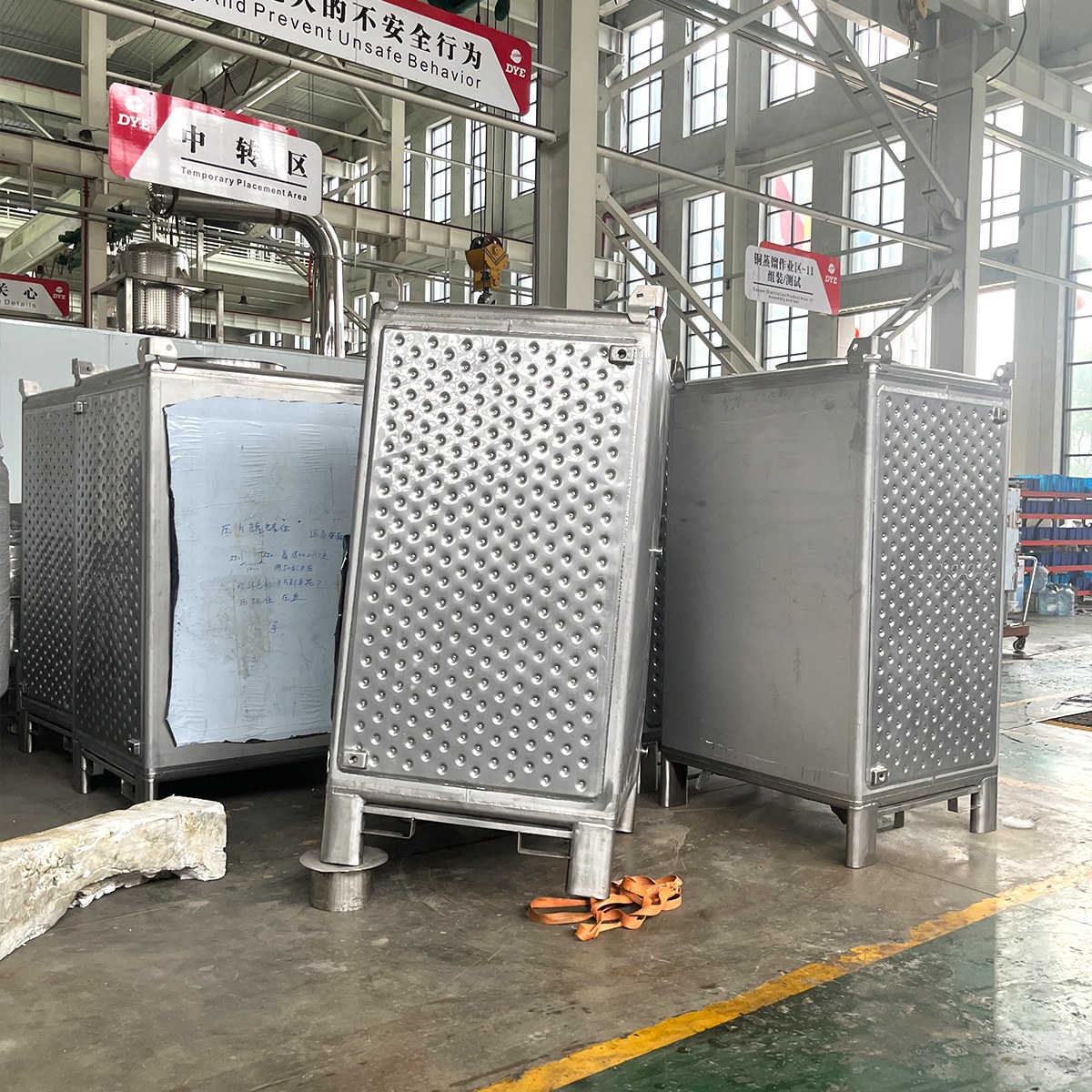
When it comes to building storage tanks that stand the test of time, the material you choose isn’t just a technical detail—it’s the foundation of your entire operation. Different contents demand different solutions, and the wrong selection can lead to corrosion, contamination, or even catastrophic failure. Carbon steel offers strength and affordability but requires coatings for many applications. Stainless steel excels in sanitary environments and resists corrosion but comes at a premium. For highly aggressive chemicals, fiberglass-reinforced plastic or specialty alloys might be the only viable path. Understanding the chemical compatibility, temperature tolerances, and mechanical stresses at play is where real engineering begins.
Beyond the base metal, the fabrication process itself deeply influences a tank’s longevity and safety. Welding standards, post-weld treatments, and quality control checks are non-negotiable, yet often overlooked in favor of upfront cost savings. A tank built with the right material but executed poorly becomes a ticking liability. Smart owners look beyond spec sheets and into the shop floor practices—whether it’s the cleanliness of the welding environment for stainless steel or the heat control for duplex alloys. In the end, a tank’s true value lies not just in what it’s made of, but in how it’s put together.
Why Customization Can Make or Break Your Operation
In an era where off-the-shelf solutions dominate the market, the allure of tailored systems often goes beyond mere preference—it becomes a decisive factor in operational success. Customization isn't just about adding features; it's about carving out a workflow that mirrors the unique rhythm of your team, eliminates friction points, and amplifies what already works well. When done right, it can turn a generic platform into a silent powerhouse that anticipates needs before they arise, making every click feel intuitive and every process seamless.
However, the flip side is equally potent. Poorly executed customization can cripple an operation, introducing layers of complexity that confuse rather than clarify. Over-engineering a solution often leads to maintenance nightmares, where every update threatens to break bespoke integrations, and new team members face a steep learning curve that saps productivity. The balance lies in understanding that customization should solve real problems, not hypothetical ones, and must remain flexible enough to evolve without requiring constant rework.
The difference between a competitive advantage and an operational bottleneck often comes down to how thoughtfully customization is applied. It’s about listening to the daily frustrations of the people using the system, then designing tweaks that feel almost invisible in their simplicity. When done with a light touch, these adjustments foster ownership and agility, making the operation more resilient in the face of change. Ignoring the need for customization risks stagnation, while leaning into it without discipline invites chaos. The sweet spot is where adaptability meets usability, allowing your operation to run not just smoothly, but smartly.
Navigating Regulations Without the Headache
Regulations often feel like a maze of fine print and shifting deadlines, but a few smart habits can turn them from a headache into a manageable checklist. Start by building a simple, central source where you track updates relevant to your work—this could be a shared document or a quick weekly scan of official channels. The key is consistency: a ten-minute review each Monday keeps last-minute scrambles at bay and lets you spot changes before they become urgent problems.
When a new rule lands on your desk, resist the urge to interpret it alone. Run it by a peer or a small group to break down what it actually means for your day-to-day operations. Chances are, someone has already dealt with a similar requirement and can point you to a template or a past approach that worked. This collective sense-check not only reduces errors but also spreads the load so no single person carries the regulatory weight.
Finally, make peace with the fact that perfect compliance is a moving target. Instead of aiming for flawless execution, focus on documenting your efforts and decisions as you go. A clear trail of due diligence is often more valuable than a frantic attempt to get every detail right the first time. Over time, this habit builds a institutional memory that turns regulatory navigation into a repeatable, low-stress rhythm.
Real-World Uses That Demand Top-Tier Containers
Financial trading platforms handle millions of transactions per second, where even a microsecond delay can lead to significant losses. Top-tier container runtimes with strict resource isolation and near-instant scaling allow firms to deploy low-latency trading algorithms safely, keeping each strategy in its own contained environment without performance bleed.
In healthcare, patient monitoring systems and electronic health records demand zero-downtime operation and ironclad data segregation. Advanced containers enable hospitals to process sensitive data across cloud and on-premises infrastructure without violating privacy regulations, while automated failover ensures critical life-support software never blinks.
Small Steps to Extend Tank Life Beyond the Warranty
Regular inspection of your tank’s seals and gaskets can prevent small leaks from becoming costly failures. Look for signs of wear, cracking, or chemical buildup, especially around fittings and valves. A quick wipe-down and visual check each month takes only a few minutes but can add years of reliable service.
Water contamination is a silent killer for many storage systems. Installing a simple desiccant breather or routinely draining accumulated moisture keeps internal corrosion at bay. This habit is often overlooked until rust appears, but staying on top of it ensures the tank walls stay strong and the stored contents remain pure.
Don’t ignore the foundation and external coatings. Settling pads or chipped paint may seem cosmetic, but they expose the metal to moisture and stress. A fresh coat of protective paint and keeping the base level helps avoid structural fatigue, especially in environments with temperature swings or frequent loading cycles.
FAQ
Start by checking how long they've been in the business and whether they specialize in the type of container you need. Look beyond flashy websites: a reliable manufacturer will openly share details about their production process, material sourcing, and testing protocols. Ask for customer references and, if possible, visit their facility to see how they handle quality control. Pay attention to how they respond to your technical questions—vague answers often hide corners being cut. A good manufacturer also offers clear warranty terms and after-sales support, not just a one-time sale.
It's not enough to simply see a 'UN' marking. You need to confirm the specific UN rating code stamped on the container and cross-check it against the material safety data sheet of the substance you plan to store or transport. Each hazardous class has distinct packaging group requirements. The marking should be permanent and legible. Additionally, ask the manufacturer for third-party test certificates that prove the container passed drop tests, leakproofness tests, and hydraulic pressure tests. Never rely on verbal assurance—paperwork is your legal backbone.
The choice revolves around chemical compatibility and structural demands. High-density polyethylene (HDPE) is the standard inner liner because it resists corrosion and a wide range of chemicals while being lightweight. The outer cage is typically galvanized steel for strength and rust protection. Some specialty tanks use stainless steel liners for ultra-pure or high-temperature applications, whereas composite IBCs might use fiberboard or plywood enclosures for lighter duties. Always match the container material to your product's pH, temperature, and storage duration.
A formal external and internal inspection should happen at least every two and a half years for UN-certified containers used for hazardous transport, but many operators integrate visual checks into every fill-and-discharge cycle. Look for cracks, bulges, corrosion on the cage, faulty valves, or faded markings. Gaskets and seals should be replaced proactively, not just when they leak. Keep a log of each inspection, any repairs, and the date of the next scheduled test. A container that sits unused for months should be inspected before being put back into service.
A new IBC comes with a full lifespan, current certifications, and no history of chemical exposure. Reconditioned tanks are cleaned, inspected, and often fitted with new liners and gaskets—they're a budget-friendly option if sourced from a trusted rebottler. However, you must verify that the reconditioning process follows ISO standards and that the container retains its original UN rating where applicable. Notice that some manufacturers won't recondition containers that held aggressive chemicals, so always ask about the previous contents and what refurbishment steps were taken.
Absolutely, but not every manufacturer offers deep customization. Beyond standard sizes, you can request features like heat-traced liners for viscous products, anti-static grounding points, top or bottom discharge configurations, custom valve types, or even color-coded cages for inventory management. Some fabricators will build IBCs with integrated mixing systems or baffles for transport stability. The more specialized the requirement, the earlier you should involve the manufacturer in your project planning, because tooling and testing can add lead time.
At a minimum, they should comply with ISO 9001 for quality management, and their containers must meet UN packaging regulations if used for dangerous goods. Depending on your industry, look for food-grade certs like FDA compliance or EU food contact regulations, and for pharma-grade containers, certifications like cGMP matter. Some manufacturers also follow ASME standards for stainless steel vessels. Ask for copies of current certifications and check their validity—not all manufacturers list up-to-date credentials on their website.
Rigid IBCs are suited for regular, heavy-duty use where stacking strength and durability matter most—they're a direct replacement for steel drums. Foldable containers collapse to about a third of their filled height, making return shipments much cheaper, especially for long-distance or international supply chains. However, they have more moving parts like hinges and locks that require maintenance. Think about your logistics loop: if you're shipping one-way, a rigid container might be simpler, but if you run a closed-loop return system, foldables can cut freight costs dramatically over time.
Conclusion
Choosing an IBC tank manufacturer goes beyond a simple transaction—it’s about securing a partner who understands that every chemical, food ingredient, or pharmaceutical component demands a container built with precision. The best suppliers use virgin high-density polyethylene for inner bottles and galvanized steel for cages, because material integrity directly impacts leak prevention and contamination risks. Customization isn’t a luxury; it’s often the difference between seamless operations and costly downtime. Whether you need specific valve fittings, heat-traced jackets, or static dissipative designs, a manufacturer that tailors solutions shows real expertise. Navigating international regulations like UN/DOT certifications can overwhelm, but a dependable partner guides you through without turning compliance into a bureaucratic nightmare.
Practical use cases span from agriculture to hazardous chemicals, and each scenario tests a tank’s durability. From storing sensitive flavors in the beverage industry to transporting corrosive acids, the container must hold up under pressure—literally and figuratively. Extending the lifespan of these assets doesn’t require expensive overhauls. Small steps like regular visual inspections, cleaning protocols based on previous contents, and storing tanks away from UV exposure can prevent microscopic cracks or seam failures. Ultimately, an IBC tank is more than a storage vessel; it’s a critical link in your supply chain, and the right manufacturer pairs robust construction with after-sale support that keeps your workflow uninterrupted for years.
Contact Us
Contact Person: Ada Xu
Email: [email protected]
Tel/WhatsApp: 0577-86806088
Website: https://www.dayuwz.com/