

MCM Stone Veneer for Exterior Walls: Expert Recommendations and Style Tips
2026-08-12
When it comes to exterior design, few materials strike the perfect balance between natural elegance and modern durability like MCM stone veneer. But achieving that flawless, high-end look isn't just about picking a style—it's about knowing the expert tricks that make all the difference. From seamless installation to weather-resistant finishes, the choices can feel overwhelming. That's where Magic Stone comes in, offering a curated selection that combines timeless aesthetics with cutting-edge engineering. In this guide, we'll walk you through insider recommendations and style tips that turn your façade into a statement—without the usual guesswork.
How MCM Stone Veneer Elevates Curb Appeal Instantly
A flat, uninspired exterior suddenly gains depth and character with the simple addition of MCM stone veneer. Unlike paint or siding, real stone texture catches light and shadow in a way that makes passersby slow down. The irregular contours and natural color variations create an organic rhythm that feels both timeless and fresh, as if the home has always belonged to the landscape.
The transformation goes beyond just looks—it signals craftsmanship and care. Even a small accent wall around the entryway or a knee wall along the front porch makes a strong statement. MCM veneer’s lightweight flexibility means it can wrap columns, define architectural lines, or highlight recessed areas where traditional stone would be impractical, all without heavy structural changes.
What truly accelerates the curb-appeal boost is the instant cohesion it brings to mixed materials. Stone veneer bridges the gap between brick, stucco, or wood, tying together disjointed design elements into a harmonious facade. The result is a home that feels deliberately styled rather than haphazardly built—a first impression that suggests the same quality continues inside.
Choosing the Right Texture and Color for Your Climate
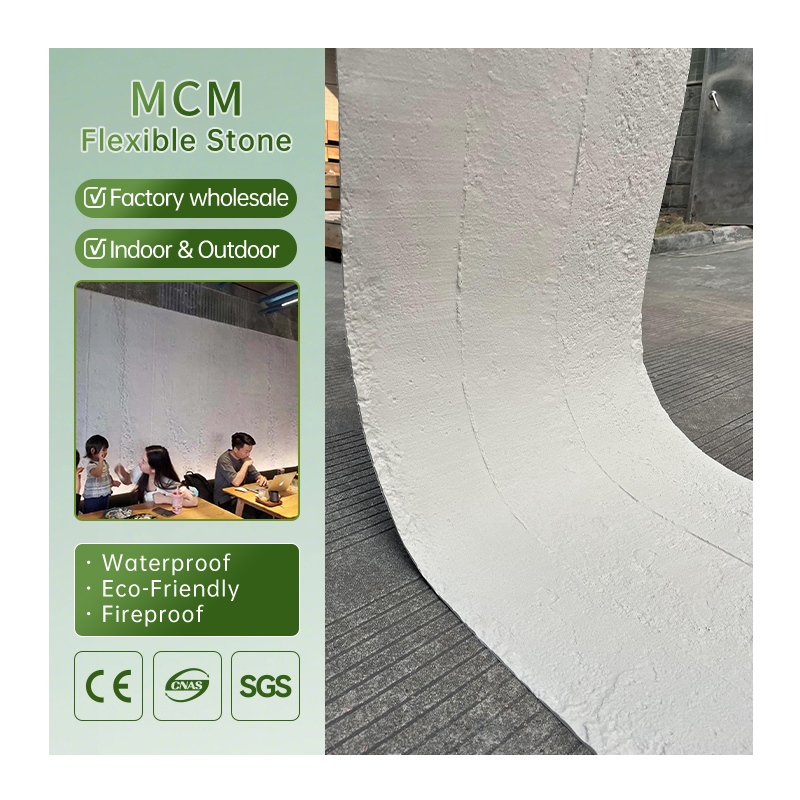
If you live in a region with long, scorching summers, lighter shades and smoother finishes can work wonders. They naturally reflect more sunlight, preventing surfaces from turning into heat traps. Think pale creams, soft grays, or even crisp whites paired with polished stone or sleek metal—these choices keep patios, walls, and walkways cooler underfoot and gentler on the eyes when the sun is relentless.
On the flip side, colder climates often call for deeper hues and coarser textures. Darker colors like charcoal, deep brown, or forest green absorb warmth during the day and release it slowly, helping to thaw icy patches and making outdoor spaces feel more inviting. A rough-hewn wood or rugged brick not only adds visual warmth but also provides better grip when frost settles in, blending safety with style.
In areas with moderate weather, you have the freedom to mix and match. It’s less about necessity and more about personal taste—perhaps a textured wall in a muted tone that shifts with the seasons, or a color that complements both summer blooms and autumn foliage. Here, the goal is harmony: choose what feels right for your home’s personality without fighting the elements.
Installation Secrets Only the Pros Know
Before you even open the box, pros check the floor with a level and map out where every fastener will go. They let materials acclimate to the room’s humidity for at least 48 hours—a step amateurs almost always skip, which causes gaps and buckling later. Another ninja move: using a scrap piece as a tapping block instead of a hammer directly on the edge, saving the tongue and groove from ugly dents.
The real magic happens in the underlayment. Pros never rely on a single layer; they layer materials to kill noise and add thermal break, especially over concrete. They also back-roll adhesive with a short-nap roller for 100% coverage before the final set, eliminating hollow spots that telegraph soft steps. Measuring is never done with a tape alone—they use story poles and dry-fit rows to prevent tiny cumulative errors from turning a last plank into a sliver.
One trick that separates rookies from old hands: Pros start from the most visible wall, not the longest one, and they stagger joints randomly rather than in neat stair-step patterns. They also undercut door jambs with a handsaw so the flooring slides under, giving a built-in look without caulk. And when a board doesn’t click right away, they’ll tilt it slightly and use a pull bar with a soft-face mallet rather than forcing it, because a snapped locking system means a red face and a costly replacement.
Pairing Stone Veneer with Modern Architectural Styles
Stone veneer isn't just for rustic cabins or traditional builds. When applied thoughtfully, it brings a tactile warmth that balances the clean lines and minimalist ethos of modern architecture. The key is choosing thin, large-format stone in muted tones like basalt, limestone, or honed granite, which complement steel, glass, and concrete without overwhelming the design. Instead of cladding entire facades, use it to anchor a single volume, frame an entryway, or create a feature wall that draws the eye inward. The contrast between smooth, manufactured surfaces and the organic, irregular texture of stone creates a quiet dialogue that feels both grounded and forward-looking.
Inside a modern home, stone veneer can redefine spatial perception. A floor-to-ceiling fireplace wrapped in ledger panel stone becomes a sculptural element rather than a mere heat source, its subtle variations catching light throughout the day. In open-plan living areas, a stone accent wall can serve as a textural backdrop for minimalist furnishings, adding depth without visual clutter. For bathrooms, consider a wet-area-friendly veneer that mimics the look of raw stone but offers easier maintenance. The material’s ability to absorb sound also makes it a smart choice for home theaters or music rooms, where it enhances acoustics while maintaining a sleek, uncluttered aesthetic.
Outside, stone veneer’s versatility shines in unexpected applications. Instead of a standard stucco fence, wrap structural pillars in a dark, linear stone to define the property line with understated elegance. Used at the base of a modern pavilion or as cladding for a built-in outdoor kitchen, it provides a sense of permanence that contrasts with the transient nature of landscaping. Even on a smaller scale—like a veneered planter box or a low retaining wall that doubles as seating—the material adds a layer of intentionality. The goal is to treat stone not as a nostalgic afterthought, but as a deliberate counterpoint to the precision of modern forms, creating spaces that feel both curated and comfortably lived in.
Maintenance Myths Busted: The Real Care Routine
Most people think they need to change their oil every 3,000 miles, but that's a holdover from decades ago. Modern engines and synthetic oils can easily go 5,000 to 7,500 miles or more. Sticking to an outdated schedule only creates waste and unnecessary expense. Your owner's manual is the real authority here, not the sticker on your windshield.
Another persistent myth is that premium fuel gives better performance in any car. Unless your vehicle is specifically designed for high-octane fuel, you're just throwing away money. Premium doesn't mean cleaner or more powerful—it simply resists knocking in high-compression engines. Regular unleaded is exactly what the majority of cars need.
Perhaps the most costly misconception is that maintenance records must be kept at the dealership to protect your warranty. The reality is that any qualified mechanic can perform scheduled maintenance, as long as you keep receipts. Independent shops often charge less and provide more personal service, without voiding your warranty in the slightest.
Budget-Friendly Design Ideas Without Sacrificing Quality
A well-designed space doesn’t have to drain your bank account. Start by focusing on a few key pieces that anchor the room—like a statement sofa or a vintage rug—and let simpler, more affordable items fill in the gaps. Thrift stores, flea markets, and online marketplaces are goldmines for unique finds that add character without the hefty price tag. The trick is to mix high and low with confidence: pair that budget-friendly coffee table with a few luxurious throw pillows, and suddenly the entire room feels curated rather than cheap.
Paint is your best friend when it comes to affordable transformation. A fresh coat on the walls, an accent ceiling, or even a piece of furniture can completely alter the mood of a room for very little money. Don’t overlook the impact of lighting, either—swapping out dated fixtures or adding dimmers can elevate the ambiance instantly. Look for sculptural or retro lamps at secondhand shops, which often cost a fraction of what new ones do, yet bring the same designer flair.
Lastly, embrace the beauty of do-it-yourself projects. From reupholstering dining chairs with affordable fabric to creating your own wall art, personal touches make a home feel bespoke without the custom price. The goal is to invest in a few quality basics—like solid wood furniture or good linen curtains—and then layer in personality through repurposed finds and creative details. This approach ensures your home looks thoughtfully designed, not budget-bought.
FAQ
Start with a clean, dry surface and repair any cracks or damage. Apply a weather-resistant barrier followed by a metal lath if needed. For most substrates, a scratch coat of mortar ensures the veneer adheres properly. Check for level and plumb lines to guide installation.
In many cases, you can install it over existing surfaces like brick or concrete block, but wood siding usually requires removal or the addition of a suitable backer board. Always ensure the substrate is structurally sound and can support the weight. Consult the manufacturer’s guidelines for your specific situation.
Consider the architectural style and surrounding landscape. Earthy, warm tones blend with natural settings, while cooler grays complement modern designs. Request samples to view in different lighting conditions. Mixing textures, like ledgestone and fieldstone, can add depth without overwhelming the facade.
It’s relatively low-maintenance. An annual gentle wash with a hose and mild detergent removes dirt. Inspect for cracks or loose pieces after extreme weather, and reseal the surface every few years if recommended by the manufacturer. Avoid pressure washers, which can damage the veneer.
Skipping the moisture barrier leads to water damage behind the veneer. Using the wrong mortar or adhesive can cause stones to detach. Not staggering joints or mixing pieces from different boxes creates an unnatural, patchy look. Take time to plan the layout before permanently setting stones.
A stone accent wall breaks up large expanses of siding and draws the eye to architectural features like entryways or gables. Use it to frame a front door, define a porch, or highlight a chimney. Even a small application, paired with contrasting paint or trim, makes a striking statement.
Look for someone with specific experience in manufactured stone veneer, not just masonry. Ask to see a portfolio of completed projects and check references for exterior work. Confirm they understand proper moisture management and flashing details. A written estimate should include surface preparation, installation, and cleanup.
Conclusion
MCM stone veneer works wonders for a home’s first impression, mimicking real stone without the structural burden. To get that instant curb appeal, climate-appropriate selection is overlooked too often—earthy, warm shades thrive in arid zones while cooler blue-grays hold their own against damp weather. Behind every flawless installation is meticulous substrate prep; skipping waterproofing or leveling invites trouble. Pros also lean on flexible adhesives that move with seasonal shifts, sidestepping hairline cracks. Texture matters just as much: a rugged, cleft face amps up rustic charm, while honed finishes lean contemporary.
Modern facades shine when stone veneer accents are intentional—think a narrow entry column or a single striking wall, not a full wrap. Pairing it with smooth stucco or vertical wood siding keeps the look fresh, not heavy. Maintenance myths fall apart under scrutiny; you don’t need harsh chemicals or constant sealing. A spray with the garden hose and a light scrub is usually enough, with resealing every few years. Budget-wise, concentrate on focal points like the front porch and mix materials to spread the visual punch. Smart design, not deep pockets, drives an exterior that feels both rooted and current.
Contact Us
Contact Person: Vito
Email: [email protected]
Tel/WhatsApp: 86 13088879266
Website: https://www.magicstonemcm.com