

Melamine Cyanurate Exporter Company: Essential Guide to Reliable Sourcing and Quality Assurance
2026-07-24
When sourcing melamine cyanurate, partnering with a reliable exporter is crucial to ensure consistent quality and supply chain stability. As a leading manufacturer and global supplier, X.X.F.R has built a reputation for delivering high-purity flame retardants that meet stringent industry standards. In this guide, we explore what sets a trustworthy melamine cyanurate exporter apart and how rigorous quality assurance practices can safeguard your production.
Melamine Cyanurate Unpacked: Performance Beyond Basics
Melamine cyanurate often gets pigeonholed as just another flame retardant, but that overlooks its role as a precision-engineered salt. When melamine and cyanuric acid self-assemble in a water-based slurry, they form a crystalline lattice that doesn’t simply melt under heat—it sublimes, absorbing a tremendous amount of energy in the process. This endothermic behavior creates a cooling effect at the polymer surface, effectively starving the flame before it can take hold. The resulting char layer isn’t the brittle crust you might expect; it’s an intumescent barrier that physically separates the fuel from the oxygen, all without relying on halogens or other environmentally questionable chemistries.
What really sets it apart is its dual-phase action. In the condensed phase, it promotes cross-linking and char formation, while in the gas phase, the released nitrogen-rich vapors dilute flammable gasses. This synergy means you can often reduce total additive loadings compared to traditional systems, preserving more of the base polymer’s mechanical integrity. Engineers have seen polyamide formulations reach V-0 in UL 94 tests at thicknesses under 1.6 mm, something that typically requires much higher filler levels with alternative approaches. It’s this efficiency that makes it especially attractive in miniaturized electronic components where space and material weight come at a premium.
Beyond thermoplastics, melamine cyanurate finds itself at home in thermoset systems, particularly in polyurethane foams for seating and insulation. Here, its low solubility prevents plasticization of the polymer matrix, maintaining compression set and long-term resilience. While many flame retardants compromise the texture or feel of flexible foams, properly micronized grades of melamine cyanurate can slip into the cell walls almost invisibly. The technology continues to evolve, with recent work exploring its role as a smoke suppressant synergist in EVA composites for wire and cable applications. It turns out that pushing past the basics reveals a material that’s far more versatile than its textbook description suggests.
Why Quality Isn’t Just a Buzzword Here
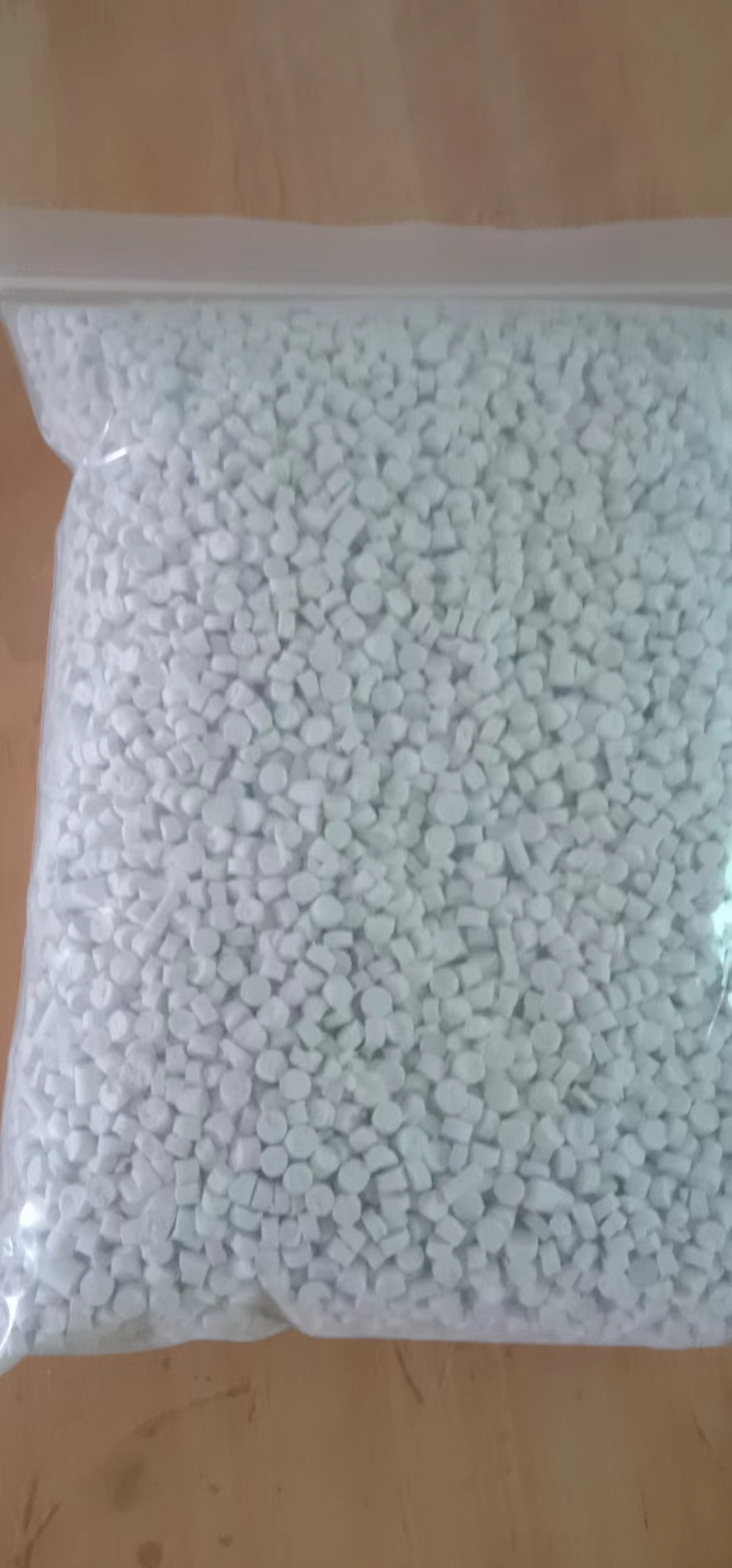
We don’t toss around the word “quality” to fill space on a page. For us, it’s a quiet obsession that shows up in the details most people overlook—the way a seam lines up perfectly, the reassuring weight of a well-machined part, or the absence of that cheap, plasticky smell. It’s not about flashy claims; it’s about the small, almost invisible choices we make every day that add up to something you can actually feel.
You’ll notice it when your item arrives and the packaging feels more like an experience than an afterthought. Or when you realize months later that the color hasn’t faded and the edges haven’t frayed. That’s no accident. We’ve built relationships with craftspeople who care as much as we do, and we visit workshops unannounced to check on things—not because we’re difficult, but because trust is earned in person.
What really sets this apart is how we handle mistakes. Every batch gets inspected, and if something feels off, it never reaches you. We’ve scrapped entire runs over a millimeter’s difference, and we’d do it again. Because “quality” isn’t a marketing promise here—it’s the stubborn, slightly obsessive standard that keeps us up at night, and it’s the reason people come back.
The Exporter Evaluation Checklist You Won’t Find Anywhere Else
Most checklists stop at the surface, ticking boxes like “verified manufacturer” or “has export license.” But real due diligence digs into the cracks—things like how a supplier handles last-minute order changes or whether their logistics partner has a track record of bribery allegations. This isn’t about standard paperwork; it’s about stress-testing the relationship before it costs you.
We built this checklist from actual horror stories: the factory that swapped materials after the sample approval, the agent who vanished with a container of goods, the paperwork error that held up a shipment for six weeks. Every line on this list comes from a problem someone didn’t see coming, so you can spot the red flags before your money leaves your account.
It’s intentionally messy—handwritten notes in the margins, questions that don’t fit into a neat spreadsheet cell. Because the clean, corporate checklists never ask the uncomfortable questions: “What’s the owner’s reputation in the local market?” or “Have any employees left suddenly in the past year?” If you want a rubber stamp, look elsewhere. If you want to sleep at night, this is where you start.
Cutting Through the Certification Jungle
In an industry brimming with credentials, it’s easy to feel lost among the hundreds of certifications claiming to validate your skills. Instead of piling up random badges, focus on those that genuinely move the needle in your career. A targeted approach means identifying what employers in your niche actually respect—often it’s a handful of well-recognized names, not a laundry list of obscure acronyms.
Vet each certification for its real-world applicability. Does it require hands-on projects, or is it just a multiple-choice quiz? The programs worth your time mimic job tasks closely and are updated often to keep pace with industry shifts. Peer reviews, active forums, and alumni networks can also hint at whether a certification opens doors or simply takes up space on your resume.
Finally, don’t overlook the power of informal validation. Sometimes a polished GitHub portfolio or contributions to open-source projects speak louder than a certificate. Pairing a select few quality credentials with demonstrable work can set you apart far more effectively than chasing every new title that pops up.
The Untold Story of Your Supply Chain
Behind every product on the shelf lies a vast, tangled web that most of us never see—your supply chain is more than a sequence of transactions. It’s a living network of hands, landscapes, and decisions stretched across continents, each link carrying whispers of hardship, ingenuity, and unseen compromise. The raw material might come from a smallholder farm where families have cultivated the land for generations, their livelihoods tethered to volatile global prices. From there, it passes through processing hubs that hum day and night, powered by workers whose names and faces disappear into the final label. This quiet journey, often eclipsed by glossy branding, is the real story of how products come to be.
Consider a simple cotton shirt: the cotton likely began in a field where water scarcity forces tough choices, and pickers—some of them children—work long hours under the sun. It’s then shipped to a mill, dyed with chemicals that may leach into local rivers, and cut and sewn in factories where safety standards can be an afterthought. Each freight container that crosses an ocean carries not just goods but embedded narratives of carbon footprints, labor rights, and economic asymmetries. These untold chapters rarely surface in quarterly reports, yet they shape the true cost of what we buy. They reveal a supply chain’s shadow side, where resilience is tested by everything from climate disruptions to geopolitical tremors, and where the difference between exploitation and stewardship is often paper-thin.
Peeling back these layers isn’t just an exercise in corporate transparency—it’s a chance to rewrite the narrative. When businesses start listening to the stories their supply chains hold, they uncover opportunities to build deeper partnerships and address ingrained injustices. It means going beyond audits and spreadsheets to understand the human and ecological realities that make commerce possible. The untold story of your supply chain is ultimately a mirror reflecting the values you embed into every link, and the choice to ignore it or engage with it defines not just your brand, but the world we all inherit.
Sourcing Without Regrets: Pitfalls and Protections
Sourcing can feel like a high-stakes treasure hunt, but rushing in without a clear strategy often leads to disappointment. One common pitfall is over-reliance on a single supplier or region, which leaves you exposed to disruptions, quality dips, or sudden price hikes. It's tempting to chase the lowest quote, but that often masks hidden costs—think inconsistent materials, delayed shipments, or compliance nightmares. The key is to balance cost with resilience, building a diverse network that can weather unexpected storms.
Another trap is failing to dig deep into a supplier's background. A polished website and a few glowing references aren't enough. Without thorough vetting—factory visits, financial health checks, and candid conversations with current clients—you risk tying your brand to a partner that cuts corners or folds under pressure. Protections like detailed contracts, clear quality benchmarks, and contingency plans aren't just paperwork; they're your safety net when things go sideways.
Finally, remember that sourcing isn't a one-and-done deal. Markets shift, materials evolve, and what worked last year may become a liability. Regular audits, open communication channels, and a willingness to walk away from bad fits are essential. When you treat sourcing as an ongoing relationship rather than a transaction, regret turns into long-term confidence.
FAQ
Melamine cyanurate (MCA) is a halogen-free flame retardant, primarily used in polyamides and thermoplastics. It works by releasing inert gases and promoting char formation when exposed to heat, effectively suppressing fire without the toxic fumes associated with halogenated alternatives. Its popularity stems from its high thermal stability, low smoke emission, and compatibility with various polymers, making it indispensable in electrical connectors, automotive parts, and appliance housings.
Independent third-party testing is the gold standard. Reputable exporters will provide detailed certificates of analysis (CoA) for each batch, and they should willingly accommodate random sampling and testing by accredited labs. Look for consistent particle size distribution, low residual melamine and cyanuric acid content, and minimal heavy metals. Requesting retention samples from past shipments and comparing them against delivered lots can also reveal long-term quality consistency.
Transparency is key. They openly share their raw material sources, manufacturing flowcharts, and quality control records. A supplier invested in reliability will have clearly documented standard operating procedures, carry relevant ISO certifications (like 9001 or 14001), and maintain traceability from incoming ingredients to final packaging. They’ll also be upfront about production capacity and lead times, rather than overpromising to win an order.
Moisture content is often underestimated—excess water can hydrolyze the product over time, reducing flame retardancy. Pay attention to the dispersibility in polymer matrices; poorly ground or agglomerated MCA leads to uneven distribution and weak mechanical properties. Also, ask about shelf-life stability and packaging integrity: quality suppliers use moisture-barrier bags and offer guidance on storage conditions to preserve product efficacy.
They provide end-to-end logistics support, from dangerous goods documentation (if required) to customs brokerage. They advise on optimal shipping routes, packaging designs that minimize freight costs, and warehousing solutions near major ports. Proactive communication during transit delays, and offering to split shipments when volumes exceed a single container’s capacity, are hallmarks of a partner rather than just a vendor.
Start with a detailed pre-qualification questionnaire covering production scale, quality management systems, and their history with similar contracts. Request client testimonials and, if possible, visit the factory unannounced. Negotiate graduated pricing tied to volume commitments, but also build in periodic quality audits and termination clauses for repeated non-conformance. It’s wise to include a ‘most favored customer’ clause to ensure you’re not disadvantaged as their business grows.
Conclusion
Melamine cyanurate's value extends well beyond basic flame-retardant properties; its synergistic effects with other additives can elevate material performance dramatically. But realizing those benefits depends entirely on consistency and purity—traits that separate genuine quality suppliers from the rest. Too often, buyers learn this the hard way, discovering irregularities in particle size or nitrogen content that only surface later in production. The real story of your supply chain starts at the raw material source, passes through meticulous processing controls, and ends with batch-level traceability. When that story is hidden or glossed over, risk multiplies.
Evaluating an exporter requires more than a glance at a website. A practical checklist goes past surface-level claims, probing into production logs, third-party audit history, and the specific certifications that matter in your target market—not every certificate holds equal weight. Navigating this jungle means understanding which standards truly align with your regulatory environment. And while vetting is essential, so are contractual safeguards: clear specifications, agreed-upon test methods, and fallback clauses can prevent costly disputes. Sourcing without regrets isn't about avoiding pitfalls entirely but building a resilient, transparent partnership that catches issues before they escalate.
Contact Us
Contact Person: Guohua Wang
Email: [email protected]
Tel/WhatsApp: 8613003442895
Website: https://www.xxflameretard.com