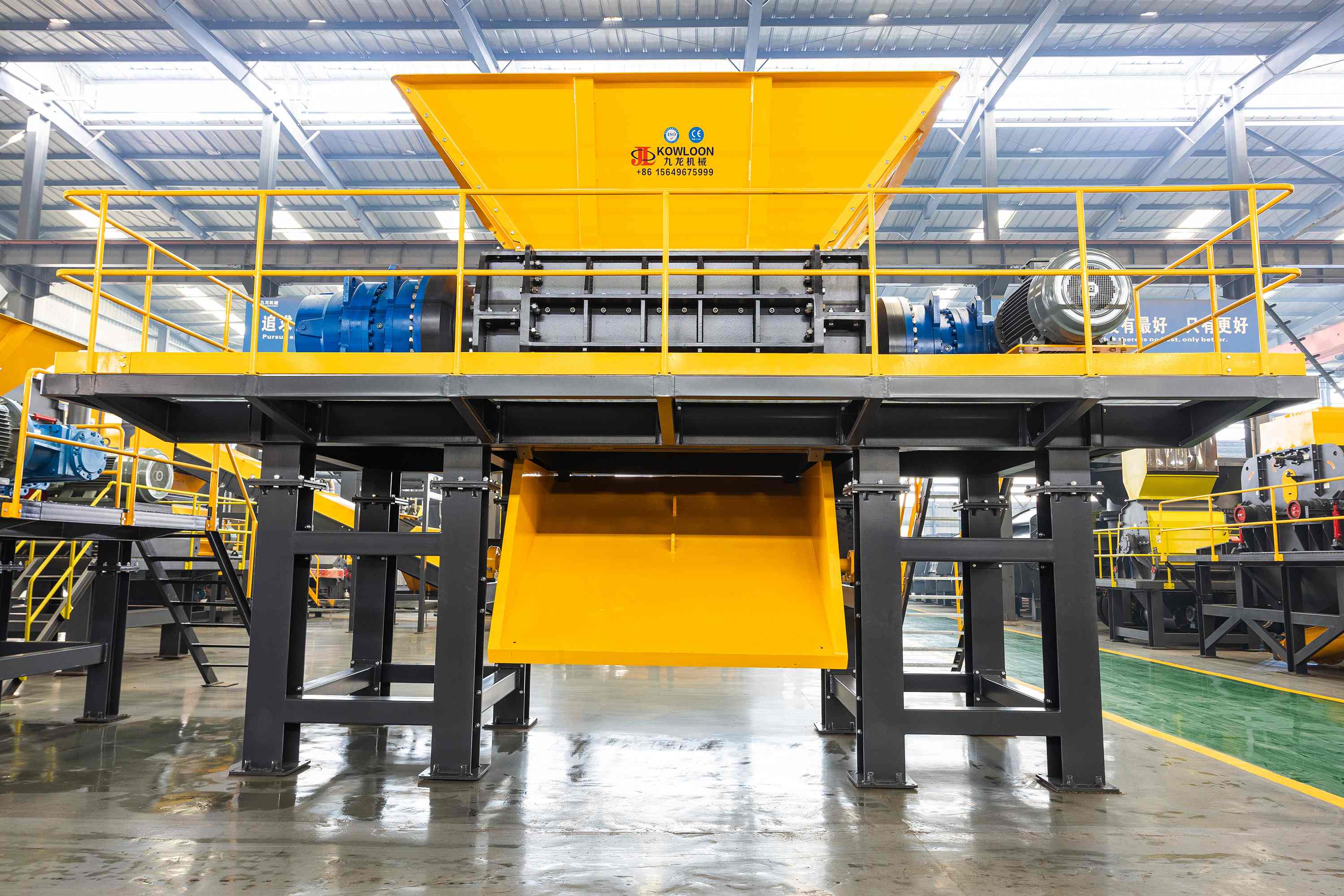

Metal Shredder Manufacturer Insights: Streamlining Your Recycling Operations
2026-08-09
In the fast-paced world of recycling, efficiency isn’t just a goal—it’s the backbone of profitability. As operations scale, the choice of a metal shredder manufacturer becomes a decision that can make or break your workflow. Enter Kowloon Machinery, a name quietly redefining what reliable shredding solutions look like. This isn’t about off-the-shelf equipment; it’s about understanding the nuances that turn a chaotic scrap stream into a streamlined, revenue-ready asset. In the following insights, we’ll pull back the curtain on how the right partnership can transform your recycling operations—no fluff, just hard-won wisdom from the front lines of metal processing.
Rethinking Shredder Design for Modern Recycling Demands
Traditional shredders were built for brute force, not finesse. They could chew through mixed waste but often left behind a mangled mess that was difficult to sort or repurpose. As recycling infrastructure becomes more sophisticated, the old single-shaft, high-torque approach creates more problems than it solves—contaminating material streams and driving up operational downtime.
Today’s designs emphasize adaptability and material liberation. Engineers are moving toward modular cutting chambers that let operators fine-tune the output size based on the feedstock, whether it’s e-waste, rigid plastics, or textiles. Integrated sensor arrays and real-time torque monitoring help the system avoid jams by adjusting rotor speed before a blockage occurs, turning shredders from reactive machines into proactive ones.
Energy efficiency is also reshaping priorities. Instead of relying on massive motors, newer electric drives with intelligent power management ramp up only when needed, significantly cutting idle consumption. Combined with wear-resistant tool geometries that extend blade life, these innovations mean a smaller carbon footprint and fewer maintenance cycles—making shredders not just stronger, but smarter fits for circular economy hubs.
How Material Type Influences Shredding Efficiency
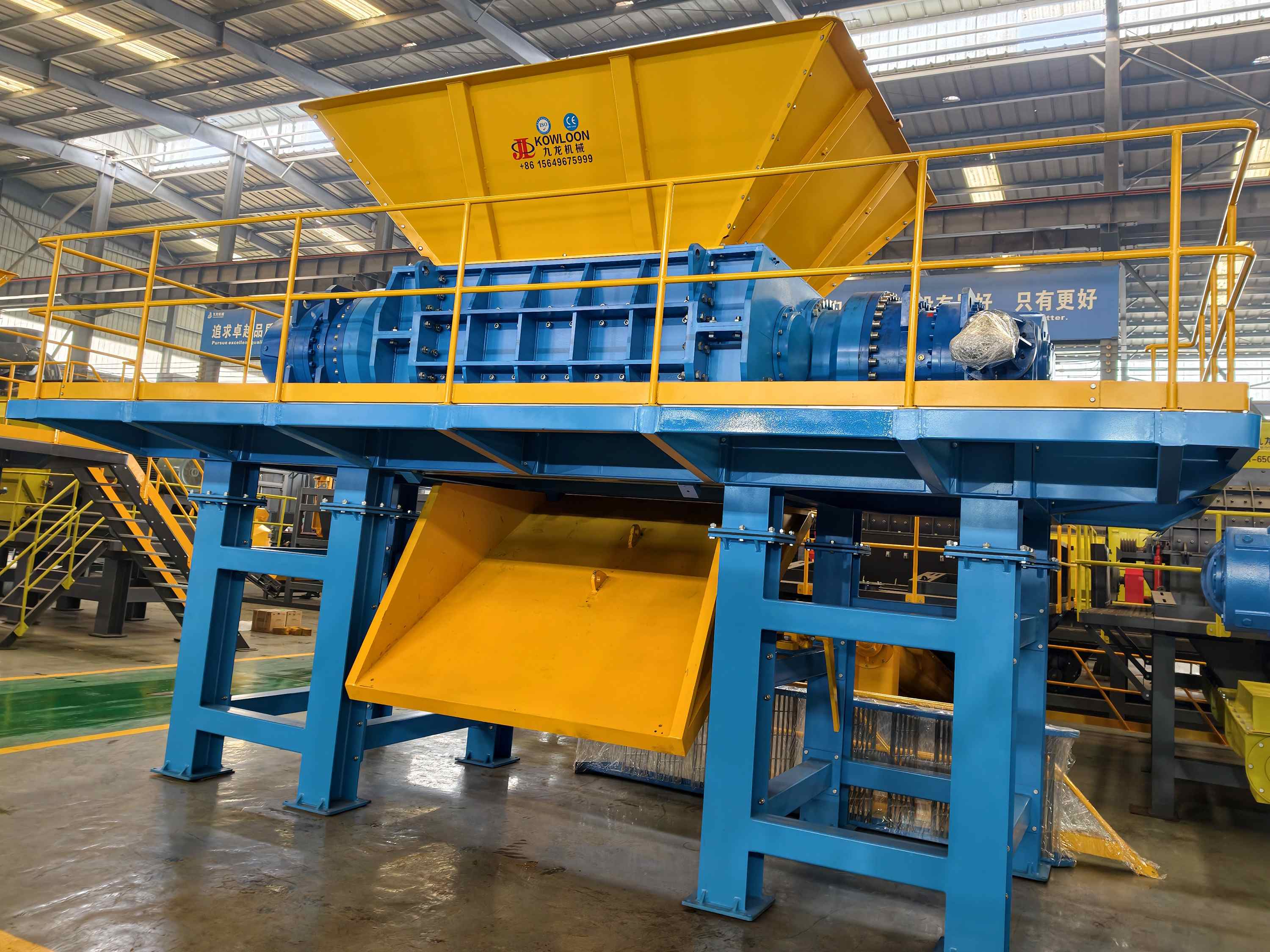
The physical and chemical properties of the material being processed play a decisive role in shredding efficiency. Metals, for instance, demand high torque and robust cutting blades to overcome their tensile strength, while plastics often require slower rotor speeds to prevent melting from frictional heat. Even within the same broad category, variations matter—polycarbonate is far more abrasive than polyethylene, leading to faster knife wear. The material's ductility, density, and thermal sensitivity directly impact energy consumption, throughput capacity, and the need for specialized feeding mechanisms.
Brittle materials like glass or certain ceramics fracture easily, allowing for higher throughput with less energy per ton, but they also generate sharp, irregular particles that can accelerate wear on machine internals. Fibrous materials, including textiles, wood, and paper, behave differently—they tend to ball up or wrap around rotors if the cutting gap or blade geometry isn't optimized. Efficient processing of these materials often hinges on sharp, well-maintained blades and carefully set screen sizes to control output particle size without overworking the motor.
The presence of contaminants or mixed material streams adds another layer of complexity. A load of wood containing buried nails or concrete blocks can abruptly halt a shredder designed for clean green waste. Successful size reduction operations treat material characterization as an ongoing practice, adjusting speed, torque, and blade configuration to match the evolving nature of the input stream. This dynamic approach minimizes downtime, extends equipment life, and keeps processing costs in check.
Operational Tweaks That Boost Throughput Without Extra Costs
Sometimes the biggest leaps in output come from simply rearranging how tasks flow. Instead of letting work pile up at one station, we shifted to smaller, more frequent handoffs between teams. That tiny adjustment cut waiting time by nearly 20% because nobody was ever stuck waiting for a batch to finish. It’s the kind of change that costs nothing but forces everyone to rethink their rhythm.
We also started cross-training staff in adjacent roles, even if just for an hour a week. When someone calls in sick or demand spikes unexpectedly, having even one extra person who can jump in keeps the line moving. It’s low effort and zero cost, but the flexibility it creates often prevents those frustrating bottlenecks that erode daily output.
Another overlooked area is machine setup. By simply standardizing tool placements and pre-staging materials during lulls, changeover times dropped by over fifteen minutes per run. Those saved minutes compound across shifts, turning idle hours into productive ones without spending a cent on new equipment or software.
The Overlooked Link Between Maintenance and Consistent Output
When we talk about consistent output, the conversation almost always turns to productivity hacks, time management apps, or motivational rituals. What rarely enters the discussion is the quiet, unglamorous practice of maintenance. Yet it is precisely this behind-the-scenes work that prevents the small, creeping failures that eventually disrupt the flow of reliable results. Like tightening the loose bolt on a machine before it causes a breakdown, regular maintenance of tools, processes, and even mental frameworks ensures that the output doesn't just spike occasionally but flows steadily over time. It's not flashy, but it's the reason some teams deliver while others scramble to fix preventable problems.
In creative and technical fields alike, we tend to underestimate how much consistency depends on caring for the systems that make work possible. A writer who sharpens their research notes, updates reference files, and cleans up their digital workspace may not be producing words at that moment, but they are preserving the conditions under which writing can happen again tomorrow without friction. The same principle applies to factories where scheduled downtime for equipment checks feels counterproductive but actually prevents catastrophic stoppages. This kind of maintenance is a form of respect for the output you want to sustain—it's an admission that excellence isn't just about heroic efforts but about protecting the mundane infrastructure that makes those efforts repeatable.
The real power of maintenance lies in its compounding effect. A regularly serviced engine, a habit of reviewing and refining standard procedures, or even the discipline of ending each day by preparing the next day's workspace—these acts seem insignificant in isolation. But collectively, they form a protective layer around output, absorbing variability and smoothing out the rough edges that would otherwise derail momentum. When output finally becomes consistent, it's easy to credit talent, strategy, or even luck. But if you scratch the surface, you'll almost always find someone quietly maintaining the conditions required for that consistency to exist.
Tailoring Shredder Features to Your Facility's Unique Workflow
Every facility has its own rhythm—some handle continuous streams of confidential documents, while others manage sporadic bursts of sensitive material. Matching shredder capabilities to these patterns prevents bottlenecks. For instance, a high-volume legal office benefits from a continuous-duty motor that can run for hours without overheating, paired with an auto-feed hopper to process stacks of files while staff stay focused on client work. On the other hand, a small accounting firm might only need a fast warm-up time and a quick burst of shredding power during tax season, making an energy-efficient desktop model the smarter choice.
Consider the types of materials that flow through your operation daily. If you’re regularly destroying credit cards, CDs, or stapled reports, a shredder with hardened steel cutters and a dedicated media slot saves time and frustration. Facilities dealing with mixed paper and packaging waste often overlook the value of a high-capacity bin that compresses shredded particles, reducing the number of trips to the recycling area. Matching cutter geometry to your typical load—cross-cut for general confidentiality, micro-cut for stricter privacy mandates—keeps your workflow smooth without compromising security.
Placement and noise levels are often afterthoughts until the shredder becomes a disruption. An open-plan office demands a unit with sound-dampening technology, allowing conversations to continue undisturbed. In industrial settings, mobility might outweigh acoustics—a shredder on casters can be moved between departments, adapting to shifting demands. Even the feed opening width matters: a narrow throat forces users to fold or tear documents, slowing everything down. By aligning physical design with where and how your team works, the shredder becomes a seamless part of the day instead of a persistent annoyance.
Navigating Safety and Compliance Without Slowing Down Production
Balancing the demands of production timelines with rigorous safety standards is a challenge that keeps many operations managers up at night. The common misconception is that compliance inevitably creates bottlenecks, but that's only true when protocols are treated as afterthoughts. By embedding safety checks directly into the workflow—rather than tacking them on at the end—teams can maintain momentum without cutting corners. For instance, real-time monitoring tools can flag potential hazards the moment they arise, allowing for immediate adjustments instead of costly shutdowns later. This proactive approach not only keeps the line moving but also builds a culture where safety becomes second nature to every worker.
Another key lies in designing flexible compliance frameworks that adapt to different production phases. Instead of a one-size-fits-all rulebook, successful operations use tiered protocols that scale up or down based on risk levels. During high-speed runs, automated safeguards can take the lead, while slower, more intricate tasks might call for hands-on verification. The goal is to make compliance feel like a seamless part of the process, not an interruption. When workers see that safety measures are tailored to their actual working conditions, resistance fades and adherence improves—without anyone feeling like they're sacrificing pace for paperwork.
Ultimately, the smartest safety strategies are those that learn and evolve. Data from near-misses, equipment logs, and frontline feedback can pinpoint exactly where production and protection clash, enabling targeted solutions rather than blanket slowdowns. For example, a quick morning huddle to review the day's specific risks often prevents more time lost than any reactive measure ever could. By treating safety not as a hurdle but as an integral gear in the production engine, organizations discover that compliance doesn't have to be the enemy of efficiency—it can actually drive it.
FAQ
You’ll want a machine that doesn’t just match your current throughput but can handle spikes without constant jams. Pay attention to the rotor design—offset cutters tend to process mixed scrap faster—and look for smart load sensing that adjusts speed automatically rather than tripping every time a thicker piece hits.
The real test is whether they start by asking about your material mix and daily goals instead of pushing a one-size-fits-all model. A partner worth working with will visit your site, look at your downstream separators, and maybe even suggest a custom infeed arrangement. If they don’t mention wear parts by name or ask about your maintenance crew’s skill level, they’re probably guessing.
Yes, but only if it’s built with a dual-stage chamber or interchangeable tooling. Some manufacturers offer a primary hammer mill with a secondary granulator bypass; you could switch paths based on the material. Also, check the foundation—high versatility often means more vibration, so a heavier frame and shock-absorbing mounts matter more than motor horsepower alone.
The sticker price never tells the whole story. Look beyond the obvious: consumables like hammers and grates might need replacing twice as often, and downtime from manual clearing adds up fast. Also, consider energy efficiency—some budget units draw higher peak amps and need oversized starters. A slightly more expensive machine with an optimized cutting geometry often pays for itself in power savings and fewer service calls within the first year.
They can be genuinely useful if implemented with a clear purpose. Real smart systems don’t just spit out data; they detect patterns like bearing temperature trends days before a failure, or they link shredder speed to the optical sorter downstream so you can fine-tune particle size on the fly. Avoid anything that calls itself smart just because it has a touchscreen—you want closed-loop control that reacts without an operator hovering over it.
Start with the shredder’s enclosure—some manufacturers offer acoustic packages that cut noise by 15 dB or more, but they need to be designed with airflow in mind or you’ll cook the motor. For dust, negative-pressure systems with cyclonic pre-separation work best, especially if you integrate a fine mist at the discharge conveyor. Placing the unit on isolation pads and using a sound-absorbing tunnel for the exit conveyor also makes a surprising difference.
Figure eight to twelve weeks from order to first metal if the manufacturer has a solid project manager. The hold-ups usually aren’t the machine itself but the civil work—concrete curing, power drops, and control system integration. A good manufacturer will walk you through a pre-installation checklist that covers things like your overhead crane’s reach and the under-shredder chute clearance, which shaves weeks off the typical back-and-forth.
Conclusion
Modern recycling operations need shredders that handle a wide variety of metals without slowing down. Rethinking design means moving past generic machines and building units that adapt to different material types—whether it’s thin aluminum or thick steel—because what works for one may choke on another. The way material interacts with cutter shapes, rotor speed, and screen sizing is pivotal. Simple operational changes, like tweaking feed speed or swapping screens, often unlock extra throughput without spending a dime. It’s surprising how much capacity hides in plain sight once you start paying attention to these details.
Maintenance is the quiet backbone of steady output. A machine that’s cared for doesn’t just avoid surprise breakdowns; it runs predictably, shift after shift. Every facility has its own flow, so tailoring shredder features—like adding magnetic separation, custom infeeds, or dust control—prevents bottlenecks and makes the equipment feel like a natural part of the line rather than an afterthought. Safety and compliance don’t have to kill productivity. Integrated guards, smart monitoring, and ergonomic loading designs keep things moving while meeting regulations. When all these pieces click, the operation shifts from just crushing metal to running like a well-oiled machine, turning scrap into revenue with less hassle.
Contact Us
Contact Person: Ray
Email: [email protected]
Tel/WhatsApp: +86 13733817580
Website: https://www.zzkowloon.com/