

Mold Steel Solutions: Techniques and Innovations for Durable Manufacturing
2026-01-27
In the demanding world of durable manufacturing, mold steel plays a pivotal role in ensuring the longevity and quality of the final products. At Jiangsu Baowu New Materials, we understand that cutting-edge techniques and innovations are key to staying ahead. This blog explores the latest solutions in mold steel, from advanced material compositions to smart manufacturing processes. Whether you're a seasoned engineer or a curious enthusiast, we invite you to dive into these insights and discover how they can transform your operations. Get ready to uncover strategies that not only enhance durability but also drive efficiency and creativity in your projects.
Precision Mold Steel Selection for Enhanced Durability
Choosing the right steel for precision molds is key to boosting their lifespan under demanding conditions. High-quality materials like H13 or S7, known for their toughness and heat resistance, can significantly reduce wear and tear over time. By prioritizing durability in steel selection, manufacturers can cut down on frequent replacements and maintain consistent part quality.
Beyond basic grades, factors like hardness, corrosion resistance, and thermal stability play a huge role. For instance, a mold exposed to abrasive materials might benefit from a steel with added chromium for better wear protection. Paying attention to these details ensures that molds withstand repeated cycles without compromising on precision.
Ultimately, investing in durable steel upfront leads to long-term savings and smoother production runs. By matching the steel properties to specific application needs, companies can enhance mold performance and avoid costly downtime.
Innovative Heat Treatment Methods to Extend Tool Life
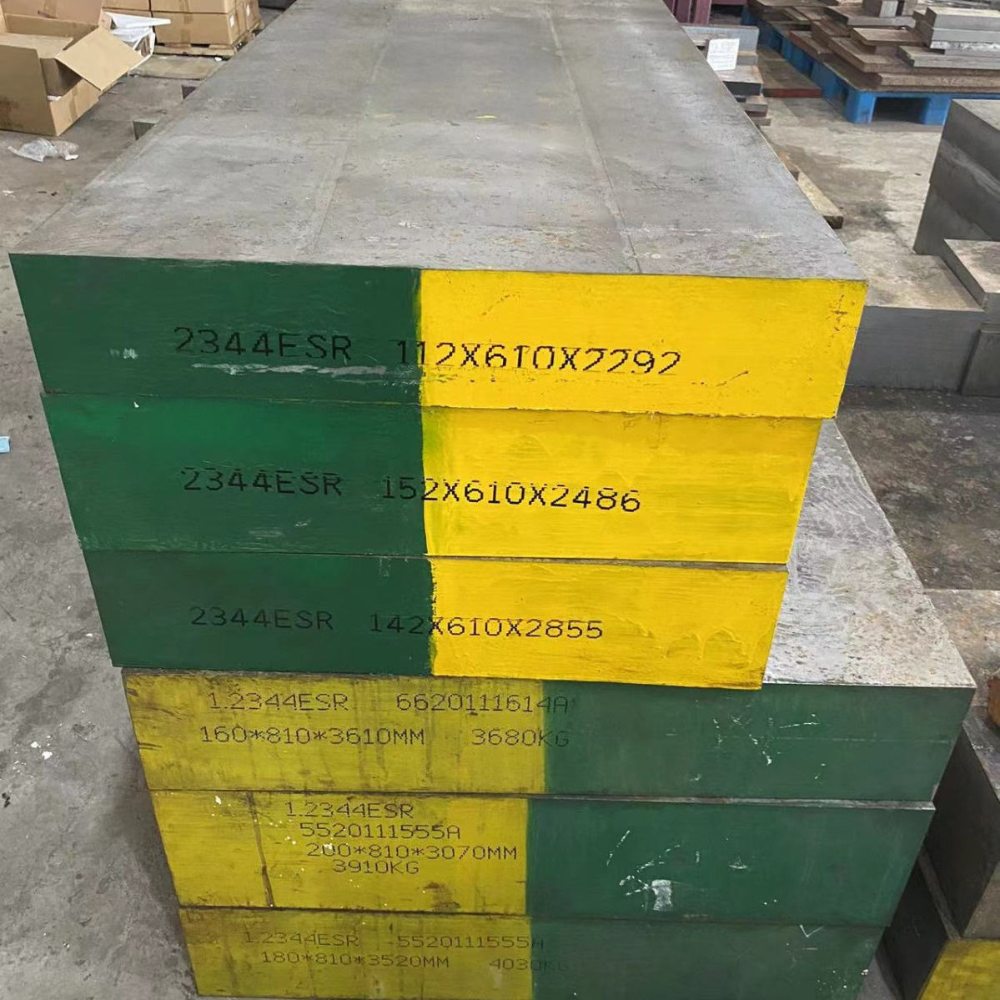
Advancements in heat treatment techniques are revolutionizing tool longevity across industries, shifting focus from traditional hardening processes to precision-controlled methods. These innovative approaches, like cryogenic treatment and vacuum hardening, manipulate microstructures at deeper levels to reduce wear and fatigue. By integrating such methods into manufacturing workflows, tools can withstand extreme pressures and temperatures longer, leading to fewer replacements and enhanced operational efficiency.
Beyond standard practices, emerging methods such as plasma nitriding and laser hardening offer tailored solutions for specific tool materials and applications. For instance, plasma nitriding creates a dense nitride layer on steel surfaces, boosting corrosion resistance without compromising toughness. Meanwhile, laser hardening provides localized treatment, minimizing distortion in complex geometries. These targeted treatments not only extend tool life but also reduce energy consumption and waste, aligning with sustainable production goals.
Real-world applications highlight the impact of these innovations; in the automotive sector, cryogenic-treated cutting tools show up to 300% longer service life compared to conventional methods, while vacuum-hardened dies in aerospace fabrication resist cracking under high-stress conditions. By adopting these advanced heat treatments, industries can achieve significant cost savings and improved product quality, making them a smart investment for forward-thinking manufacturers looking to optimize their tooling strategies.
Advanced Surface Coating Technologies for Wear Resistance
Imagine surfaces that can withstand extreme friction and abrasion for years, from industrial machinery to everyday tools. Advanced surface coating technologies for wear resistance are revolutionizing how materials perform under stress. These coatings, applied through methods like physical vapor deposition (PVD) or chemical vapor deposition (CVD), create ultra-thin layers that enhance durability without adding significant weight. They're not just about protection; they enable components to operate more efficiently in harsh environments, reducing maintenance costs and extending service life. Industries from aerospace to manufacturing rely on such innovations to push the boundaries of what's possible in engineering.
What sets these technologies apart is their versatility in material selection. From diamond-like carbon (DLC) coatings that offer exceptional hardness to ceramic-based solutions that resist high temperatures, the options are tailored to specific applications. For instance, in automotive engines, coatings can reduce wear on piston rings and cylinder liners, leading to improved fuel economy and lower emissions. The integration of nanotechnology has further refined these coatings, allowing for precise control over properties like lubricity and corrosion resistance. This adaptability ensures that each solution is optimized for performance, not just a one-size-fits-all fix.
Beyond technical specs, the impact of wear-resistant coatings is felt in sustainability efforts. By extending the lifespan of components, they cut down on waste and resource consumption. In mining equipment or marine vessels, where wear is a constant challenge, these coatings enable systems to run longer with fewer replacements. The continuous research in this field focuses on eco-friendly processes and materials, aligning with global trends toward greener engineering. As new challenges emerge, expect to see coatings that not only resist wear but also adapt to evolving industrial demands, making them a cornerstone of modern material science.
Digital Simulation for Optimized Mold Design and Performance
Digital simulation has transformed mold design by enabling engineers to predict and refine performance before physical prototyping. It involves using advanced software to model processes like injection molding, allowing for virtual testing of factors such as material flow, cooling, and structural integrity. This approach significantly reduces trial-and-error cycles, leading to optimized designs that enhance durability and efficiency in real-world applications.
Beyond cost savings, digital simulation allows for exploring innovative geometries and materials that were previously too risky or time-consuming to test manually. By simulating complex scenarios, designers can identify potential defects like warping or air traps early on, ensuring higher-quality molds that meet stringent performance standards and adapt to evolving manufacturing demands.
Integrating digital simulation into mold design workflows fosters collaboration across teams and accelerates time-to-market. It empowers businesses to fine-tune parameters for energy efficiency and waste reduction, ultimately delivering molds that excel in reliability and precision, setting new benchmarks in industrial production.
Sustainable Practices in Mold Steel Recycling and Process Efficiency
Sustainable practices in mold steel recycling are reshaping the industry by integrating circular economy principles, where used steel from worn molds is systematically collected and reprocessed. This approach not only slashes waste and conserves valuable resources like iron ore but also cuts down on the energy-intensive extraction and production of raw materials. By adopting advanced sorting and smelting techniques, facilities can recover high-quality steel that meets specific mold-grade standards, ensuring performance isn't compromised while significantly reducing the environmental footprint associated with manufacturing.
To boost process efficiency, companies are leveraging technologies such as predictive maintenance and digital twin simulations, which monitor mold conditions in real-time to anticipate failures and optimize recycling schedules. This minimizes downtime and energy use, allowing for smoother, more cost-effective operations. Coupled with automated sorting systems that precisely separate steel alloys, these innovations streamline the recycling workflow, enhancing throughput and reducing errors, ultimately leading to faster turnaround times and lower operational costs in mold production.
What sets forward-thinking firms apart is their commitment to holistic sustainability, where process efficiency is paired with social responsibility, such as training workers in green practices and sourcing materials ethically. This integrated strategy not only meets regulatory demands but also attracts eco-conscious clients, proving that environmental stewardship can drive both innovation and profitability in the competitive mold steel sector.
Case Studies: Real-World Applications in Automotive and Electronics
In the automotive industry, real-world applications of advanced electronics have revolutionized vehicle performance and safety. For instance, electric vehicles (EVs) leverage sophisticated battery management systems and onboard sensors to optimize energy efficiency and extend range, with companies like Tesla pioneering autonomous driving features through AI-powered software updates.
Within the electronics sector, applications span from consumer gadgets to industrial equipment, where miniaturization and IoT connectivity enable smarter, more responsive devices. A notable example includes smart home systems that integrate seamlessly with mobile apps, enhancing user convenience through real-time monitoring and automated controls, all while reducing energy consumption.
Cross-industry synergies are evident in collaborative projects, such as automotive manufacturers partnering with tech firms to develop connected car platforms, which merge automotive engineering with cloud computing and data analytics to offer personalized driving experiences and predictive maintenance, showcasing how these fields drive innovation beyond traditional boundaries.
FAQ
Recent advancements include the use of powdered metallurgy for enhanced uniformity in steel alloys, allowing for greater wear resistance and toughness. Additionally, surface treatments like physical vapor deposition coatings are being integrated to reduce friction and prevent corrosion, significantly boosting durability in high-volume manufacturing.
Precision-controlled heat treatments, such as vacuum hardening and cryogenic processing, refine the steel's microstructure. This minimizes residual stresses and enhances hardness distribution, leading to molds that resist cracking and deformation under thermal cycling, thus ensuring consistent part quality.
Computer-aided design enables engineers to simulate stress points and thermal expansions in molds before production. By identifying weak areas early, designs can be tailored to use specific steel grades strategically, reducing material waste and extending the mold's lifespan through better load distribution.
3D printing of tooling inserts allows for complex internal cooling channels that are impossible with traditional machining. This innovation improves cooling efficiency during injection molding, shortening cycle times and reducing wear on the steel, ultimately enhancing productivity and durability.
Factors include the steel's corrosion resistance, often enhanced by alloys like stainless types, and its ability to withstand abrasive materials. Matching the steel grade to specific production demands—such as high-pressure molding—ensures longevity and reduces maintenance costs.
Sustainability efforts focus on recycling scrap steel and using energy-efficient production processes. Innovations like low-carbon steel formulations reduce environmental impact while maintaining performance, supporting greener manufacturing without compromising durability.
Embedded sensors in molds track temperature and pressure in real time, alerting operators to potential issues like overheating or stress buildup. This proactive approach prevents catastrophic failures, allows for timely maintenance, and extends the operational life of the steel tooling.
Conclusion
The field of mold steel manufacturing is rapidly evolving, with a focus on precision techniques and innovative solutions that enhance durability and efficiency. By integrating advanced methods such as digital simulations for optimized design and continuous process monitoring, manufacturers can create molds that withstand rigorous use. This holistic approach not only improves tool life but also supports sustainable practices through recycling and resource optimization.
Real-world applications in industries like automotive and electronics demonstrate the effectiveness of these innovations. Through case studies, it is evident that combining precision steel selection with advanced heat treatments and wear-resistant coatings leads to significant improvements in manufacturing outcomes. Ultimately, these strategies contribute to a more resilient and environmentally conscious production cycle, driving forward durable and cost-effective solutions.
Contact Us
Contact Person: Zoe Liang
Email: [email protected]
Tel/WhatsApp: 86 189 2128 6299
Website: https://www.baowuchina.com