

ODM LED Fog Light Bulb: What You Need to Know Before Upgrading
2026-09-03
Upgrading your fog lights isn't just about brighter bulbs—it's about seeing through the worst conditions without blinding everyone else. But before you swap in any ODM LED fog light bulb, there's a maze of specs, beam patterns, and compatibility traps waiting. That's exactly why LUXFIGHTER built its reputation on bulbs that cut through the fog without cutting corners. In this guide, we'll walk you through what actually matters before you upgrade—so you don't end up with a disappointing glow or a dashboard full of errors.
Why 'ODM' Matters More Than the Logo on the Box
A sleek logo on a retail box can dazzle shoppers, but it rarely tells you whether the device inside will still work flawlessly after two years of daily use. The original design manufacturer, or ODM, is the silent engineer behind countless products that carry famous brand names. These companies don't just assemble parts—they refine thermal management, source components that survive voltage spikes, and tune firmware so the battery doesn't swell prematurely. When you strip away the marketing gloss, the real question isn't whose name is printed on the cardboard, but whose engineering decisions are baked into the circuit board.
Consider two nearly identical smart home hubs: one from a premium brand, one from a lesser-known label. Both may come from the same ODM, yet the premium version costs twice as much purely for brand equity. The difference in field failure rates? Usually negligible. ODM expertise shows up in the unglamorous details—how well the Wi-Fi antenna rejects interference from a microwave, whether the plastic casing develops stress cracks near the screw bosses, or if the power supply can tolerate brownouts without corrupting the flash memory. A logo fades from memory; a poorly managed ODM relationship haunts every support ticket.
That's why experienced buyers and product managers care less about the emblem and more about the ODM's track record with similar form factors. They ask questions like: Which factory actually validated the Bluetooth coexistence? Who wrote the low-level drivers for the ambient light sensor? The box is just packaging. The ODM is the product.
Cutting Through the Fog: How LED Beam Patterns Differ
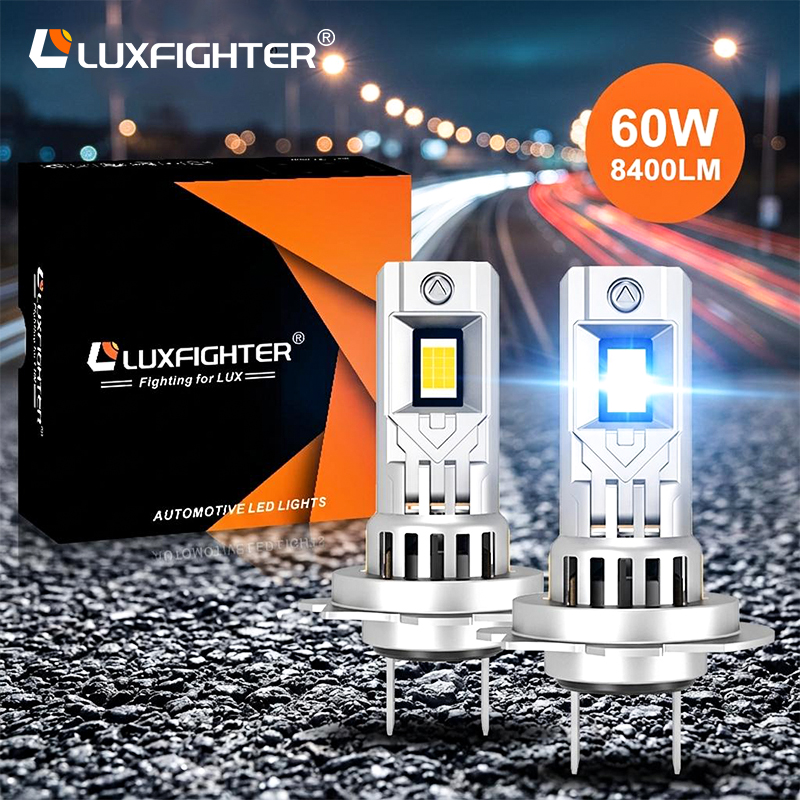
Most drivers assume a brighter bulb means better visibility, but beam pattern tells a different story. A focused spot beam might punch a narrow hole through darkness, while a wide flood pattern paints the entire roadside in a soft glow. The real difference shows up in rain, dust, or fog—where a tightly collimated beam bounces back at you, turning the air into a white wall. A well-designed cutoff, on the other hand, keeps the light low and sharp, letting you see the road without blinding yourself.
Look closely at the reflector and lens shape. Deep, narrow reflectors push photons into a long throw, ideal for open highways but useless for reading a ditch line. Shallow, textured reflectors scatter the beam sideways, revealing deer at the edge of your peripheral vision. Some LED designs mix both: a central hot spot for distance, plus a soft halo for near-field awareness. The trick isn't more lumens—it's placing them where your eyes actually need them, second by second.
Cheap aftermarket bulbs often ignore this entirely, dumping light in a random blob that leaves dark holes on one side. Premium optics tune the cutoff with a sharp horizontal line, dipping slightly on the left to spare oncoming traffic. Next time you drive a curvy road at night, watch how the beam bends: a good pattern feels like the light is glued to the asphalt, not floating in the air. That's the difference between seeing the road and just seeing your own headlights.
The Color Temperature Sweet Spot You Actually Need
Most lighting guides throw charts at you without admitting the obvious: the sweet spot isn't a single number. For living spaces where you eat, read, and relax, 2700K to 3000K usually feels right without turning everything orange. Push past 3500K in those rooms and skin tones start looking a little cold, even if the bulb promises "neutral white."
Where that range shifts is task-heavy zones. A kitchen or home office can handle 3500K to 4000K without losing warmth, because the extra blue content keeps detail crisp. The mistake is treating these as hard rules. Your wall color, the amount of natural light, and the time of day you use the room matter more than the number on the box.
So start at 3000K for places you want to feel inviting, then step up only if you find yourself squinting. If a room feels sterile at night, go warmer before you buy more lumens. The sweet spot is the one that makes you forget you're thinking about color temperature at all.
Physical Fitment Traps That Return Policies Won't Save You From
When a replacement part arrives and the bolt holes are off by half a millimeter, most return policies shrug. You can ship it back, sure, but the real cost is the week your car sits on jack stands while you argue about restocking fees. The trap isn't the defect itself—it's believing that a refund makes you whole. It doesn't. Time, shipping costs, and the scratched knuckles from the first failed install are never reimbursed.
Some fitment issues are invisible until you're deep into the job: a connector that clips in but leaves the harness stretched too tight, a gasket that compresses fine on the bench but weeps under heat cycles. By then you've altered the part, torqued it down, maybe scuffed it. Good luck proving it was wrong from the start. The savvy move is to treat every return policy as a last resort, not a safety net—test fit dry, measure twice, and know which specs actually matter for your chassis code.
The worst traps are the ones that fit perfectly once and never again: a plastic clip that snaps into place but can't survive removal, or an offset bushing that clears the subframe on a lift but binds when the suspension compresses on the road. You'll waste hours chasing clunks and groans before you realize the part you bought is technically "correct" but physically cursed. Return it? Maybe. But now the dealer's photo shows tool marks, and they'll claim improper installation. Physical fitment failure has a way of becoming your problem permanently.
Heat, Lifespan, and the Truth About Built-In Fans
Most people assume a built-in fan is a surefire way to keep components cool, but the reality is more nuanced. A fan only helps if air can actually move. In cramped enclosures, a built-in fan often recirculates warm air instead of pulling in fresh, cooler air. That means heat can still build up around sensitive parts, even when the fan is spinning at full speed.
Heat is a silent killer of electronics, but it's not just high temperatures that matter. Rapid temperature swings - like the ones caused by a fan cycling on and off - stress solder joints and capacitors. Over time, this thermal fatigue can shorten lifespan more than a steady, slightly higher temperature would. So a fan that runs constantly may actually be gentler on components than one that keeps switching.
The truth about built-in fans is that their quality and placement matter more than their presence. A well-designed fan with a proper intake and exhaust path can add years to a device. A poorly placed fan can create dead spots where heat lingers, giving a false sense of security. If you're evaluating gear with a built-in fan, listen for smoothness, check for dust filters, and don't assume the fan guarantees a long life - it's the whole cooling design that counts.
Street Legality? Let's Talk Before You Get Pulled Over
Look, nobody builds a car just to keep it parked. But the moment you roll onto public roads, the rulebook changes. That cold-air intake or tint job might feel like a no-brainer in your garage, yet a traffic stop can turn a fun build into a stack of fines—or worse, a tow. Different states, counties, even townships play by their own rules, and “but it was legal where I bought it” won't get you out of a ticket.
Some mods are almost guaranteed to draw attention. Window tint below the legal VLT limit, exhausts that sound like a thunderstorm at idle, tires poking past the fenders, or a license plate tucked so far under the bumper it reads like a secret code. Even dealer-installed accessories aren't automatically street legal—they just assume you'll never get checked. Once the lights flash behind you, it's too late to argue about intentions.
Before you go further, grab a coffee and look up your local vehicle code—don't just scroll forums where everyone claims their cousin's setup passes inspection. Keep the original parts in a box, not the dumpster, and find a shop that actually knows the difference between track-only and daily-driver rules. A little homework now beats standing on the shoulder, watching a tow truck hook up your pride and joy.
FAQ
It means a factory designs and manufactures the bulb to a brand's specs. You often get the same core product without the brand markup, but consistency varies by supplier.
That depends on your local regulations. Many are too bright or lack a proper beam pattern for on-road use, so check whether they carry ECE or SAE approval for your region.
Match the bulb base, like H8, H11, or H16, and confirm the overall length. Some LED bulbs have larger heat sinks that can interfere with housings or rear covers.
Stick to 3000K to 4300K. Pure white or blue 6000K and above looks sleek but scatters more in fog and can reduce contrast.
Many European vehicles monitor bulb resistance and will throw errors or flicker. If the bulb isn't listed as CANbus-ready, you may need external resistors.
Not always. Fans move air but can fail or make noise. Passive braided heat sinks are silent and reliable, though they may be too bulky for tight fog lamp housings.
Usually yes if you can reach the housing. Expect tight access, possibly removing wheel liners or bumper covers. If the bulb has a driver box, secure it away from heat and water.
Look for an IP rating, a warranty of at least one year, and real photos of the driver components. Avoid bulbs with no brand traceability or only vague upgraded claims.
Conclusion
Upgrading to ODM LED fog light bulbs isn't just about swapping in a brighter bulb. The real value of an ODM unit lies in the engineering behind it—many brands simply rebadge the same generic housing with their logo, but a true ODM design tunes the reflector and lens geometry to match the LED's emission pattern. This is critical because fog lights need a wide, low beam with a sharp cutoff; a poorly matched LED can scatter light upward and actually reduce visibility in fog. Color temperature also plays a bigger role than most drivers realize. Anything above 6000K looks cool but bounces off water droplets, while a warm white around 3000K to 4300K cuts through mist far better. In short, the specifics of beam shape and kelvin rating matter more than the wattage printed on the box.
Before you order, check the physical dimensions of the bulb's base and heatsink—many aftermarket LEDs are too deep or wide to fit behind factory dust caps or within tight fog light housings, and most return policies won't cover scratched or modified trim pieces. Heat management is another hidden trap: built-in fans sound impressive, but they can fail silently, leaving the LED to overheat and dim prematurely. Passive heatsinks with braided copper or aluminum are often more reliable in a sealed fog light cavity. Finally, don't ignore street legality. Upgrading to an LED in a reflector designed for halogen can create glare for oncoming traffic and may violate local lighting regulations. In many regions, using non-approved bulbs in fog lights can get you a ticket or fail inspection. So while a good ODM LED can genuinely improve poor-weather visibility, it only works if you respect beam pattern, color temp, fitment, cooling, and the law.
Contact Us
Contact Person: Gavin Chen
Email: [email protected]
Tel/WhatsApp: (+86)756-6831079
Website: https://www.luxfighter.com/