

PCB Assembly Supplier Vetting - How to Ensure Quality and On-Time Delivery
2026-08-19
Selecting a PCB assembly partner is a decision that can make or break your product launch. A supplier that misses deadlines or delivers boards with hidden defects can derail months of work—and reputation. Yet, many engineering teams still rely on gut feeling or price alone. In this post, we’ll walk through a practical vetting framework to verify quality systems and on-time delivery capabilities, based on insights from TPS, a trusted EMS provider with deep experience in high-mix PCB assembly.
Look Beyond Certifications to What the Factory Floor Reveals
A certificate on the wall tells you what a factory was willing to pay for, not how it runs at 2 a.m. on a Tuesday. Walk the floor and you'll see the real story: whether raw materials are stacked with date labels facing outward, whether maintenance logs are filled in with fresh ink or copied from last month, whether the line supervisor knows the name of the newest operator. These details rarely appear in audit checklists, but they reveal exactly how much a facility respects its own processes.
Certifications freeze a moment in time, usually the day a third-party auditor walked through. The factory floor, by contrast, is a live feed. Watch how operators react when a machine jams. Listen for the rhythm of tools being set down between shifts. Notice if the emergency exit is actually clear or just cleared for the photo. A plant that keeps its aisles free and its gauges calibrated on a random Wednesday afternoon has internalized standards that no framed document can guarantee.
The most honest signals are often the ones nobody thinks to stage. Scrap bins tell you whether defects are caught early or hidden until final inspection. The condition of restrooms says more about management's respect for workers than any policy poster. Even the way a forklift driver navigates a corner—slow and deliberate versus fast and careless—shows whether safety training stuck. If you want to know what a supplier is truly capable of, stop reading the certificate and start paying attention to the floor under your feet.
Verify Defect Data Instead of Trusting the Sales Pitch
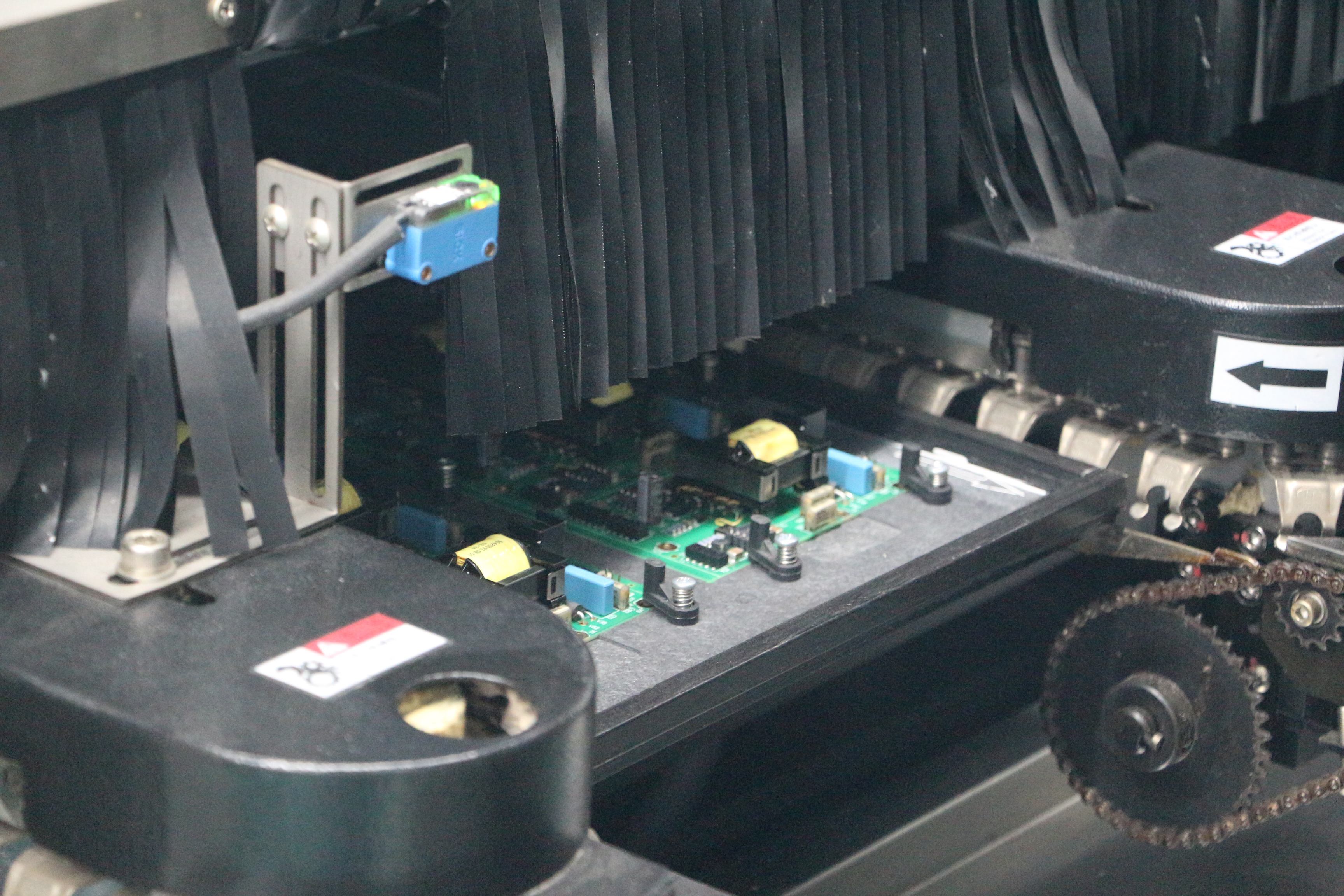
Sales demos are built to impress, but polished screens and confident claims rarely reflect how a product behaves under real workloads. Ask for raw defect logs, incident timelines, and patch frequency over the past twelve months. If the vendor hesitates or offers only summary charts, treat that as a warning sign—transparent teams share the messy details without being asked.
Bring the defect data into your own environment before making a decision. Run a limited pilot with actual user flows and log every failure, slowdown, or workaround your team encounters. Compare what you observe against the vendor’s figures, and look for patterns like repeat regressions or silent data corruption that sales scripts conveniently omit. A small trial often exposes gaps that polished marketing materials hide.
Defect rates shift with every release, so verification is not a one-time checkbox. Schedule quarterly reviews of the vendor’s public bug tracker, support tickets, and community reports, and weigh those against your internal metrics. Suppliers who publish unfiltered defect histories and accept accountability for regressions are far more reliable than those who keep insisting their product is flawless.
Uncover How They Manage Component Shortages Before You Sign
Before putting pen to paper, dig into their actual track record with parts scarcity. A supplier can claim resilience all day, but what happened during the last silicon crunch or resin shortage? Ask for concrete examples: which components went missing, how long production stalled, and whether they quietly substituted lower-grade alternatives without telling customers. The answers will reveal whether you're dealing with a partner who plans ahead or one who improvises under pressure.
Pay attention to how they buffer against future shocks. Do they maintain regional stockpiles of critical inputs, or do they run just-in-time with zero safety margin? Some operators hide their exposure by sourcing from a single broker who happens to have inventory today. Others build redundancy into their approved vendor list, qualify second-source parts early, and share shortage risk transparently. The ones worth signing are eager to walk you through their shortage playbook, not deflect with vague reassurances.
Finally, test their communication habits under strain. Shortages are inevitable; surprises shouldn't be. Ask bluntly: if a microcontroller goes end-of-life tomorrow, how soon will you know, and what options will hit your desk? A reliable partner sends early warnings with concrete alternatives and pricing, not silence followed by a last-minute scramble. Uncovering this before you sign turns a potential supply chain disaster into a manageable, predictable variable.
Observe Their Response to a Last-Minute Schedule Change
When a plan shifts at the last minute, watch how the other person reacts before they speak. A quick exhale, a tightened jaw, or a forced smile can reveal more than any polite words. Some people immediately start problem-solving, while others need a moment to process the loss of control. The difference is telling.
Notice whether they ask clarifying questions or simply agree and then vent later. Pay attention to whether they offer a replacement time or just complain about the inconvenience. This small disruption often exposes how someone handles uncertainty, negotiates boundaries, and respects your time in return.
Run a Pilot Order That Mirrors Real Production Stress
Before committing to full-scale manufacturing, place a small pilot order that deliberately recreates the pressure points of a real production run. Shorten the timeline, introduce last-minute material substitutions, and require the same packaging and labeling standards you would expect at volume. This exposes weak links in communication, quality control, and logistics that look fine on paper but fail under actual deadlines.
Treat the pilot not as a dress rehearsal but as a stress test. Ask the supplier to run a night shift, use the actual shipping route, and handle returns. If any step requires special handling or manual overrides during the pilot, assume it will break completely at higher quantities. Document every deviation and demand a corrective action plan before moving forward.
The goal is to see how the supplier behaves when things go wrong, not when everything is smooth. A pilot that goes perfectly may actually be a warning sign that the process was sanitized. You want a few controlled failures now so you can fix them before they cost you a container load of defective goods.
Tie Payment Terms to Verified Quality and Delivery Milestones
Instead of wiring funds against a calendar or a vague promise, break the payment schedule into checkpoints that only unlock when something concrete has been verified. A meaningful down payment might cover raw materials, but the next tranche should follow factory acceptance testing or a third-party inspection report showing a specific defect rate below an agreed threshold. That way cash flow stays aligned with actual progress, not projected timelines.
Delivery milestones need independent confirmation, not just a supplier's word. Use a mutually agreed inspection protocol—whether it's a pre-shipment check by an agency or real-time tracking data tied to a bill of lading. If the goods are late, damaged, or out of spec at a defined checkpoint, the payment for that stage simply doesn't release. This gives both sides a reason to fix problems early instead of arguing after the invoice lands.
Keep the final balance meaningful—often 10 to 20 percent—until the buyer has had enough time to use the product and confirm it performs as expected. That retention is not punitive; it's leverage for warranty claims, missing documentation, or hidden defects that only show up after installation. When quality and delivery are externally verified before each payment, disputes tend to shrink because the criteria were agreed on before the order was placed.
FAQ
Watch for missing calibration logs on pick-and-place machines, no lot traceability for components, untrained operators working without clear work instructions, and a chaotic rework area. If they can't show you real-time defect data or hesitate to explain past customer returns, treat that as a serious warning.
Request a delivery performance report for the last twelve months that lists promised dates versus actual ship dates for every order, not just a summary percentage. Then contact two or three existing customers and ask how often the supplier missed windows, and how they communicated delays. A small trial order also reveals their real scheduling discipline.
IPC-A-610 and IPC J-STD-001 are non-negotiable because they define workmanship standards. ISO 9001 is useful but only if the supplier follows it daily, not just during audits. Don't be impressed by a wall of certificates. Ask to see their internal training records, AOI and X-ray inspection logs, and monthly DPPM trends.
Define a delivery window with an early and late boundary rather than a single date. Include graduated penalties, such as a 1% credit for each day late up to five days, and the right to cancel without penalty after seven days. Require the supplier to cover premium freight costs if they miss the window, and spell out exactly what counts as force majeure.
Pick a real product with medium to high complexity and order 50 to 200 units. Ask for a full DFM report, first article inspection records, AOI test results, and process capability data before shipment. Pay close attention to how quickly they flag design issues and propose fixes, because that communication style predicts how they will handle production problems later.
Request an equipment list with utilization rates and a breakdown of maximum monthly capacity versus current loading. Ask for their production schedule for the past three months and upcoming commitments. A live video walkthrough of the floor can reveal bottlenecks, idle machines, or overcrowded lines. Third-party remote audits are also an option if you need independent verification.
Immediately quarantine the affected inventory, document the defect with photos and serial numbers, and issue a formal corrective action request within 48 hours. Require an 8D report with root cause analysis and containment actions before accepting replacement units. If the same issue appears twice, freeze new orders and start reviewing backup suppliers instead of accepting verbal assurances.
Conclusion
Checking a PCB assembly partner's paperwork only gets you so far. A stack of certificates says little about how the line actually runs under pressure. You need to walk the floor and watch how operators handle reflow profiles, solder paste storage, and changeovers. One useful trick is to ask for defect data from the last three months, not the polished quality slides. If they hesitate or show only summary charts, treat that as a red flag. Component shortages reveal even more: a supplier with a clear allocation strategy, alternate part approvals, and buffer stock for critical ICs will keep your boards moving. Those without a plan will blame the market after your deadline slips.
Schedule changes are inevitable, so watch how they react when you compress a delivery by five days or shift a batch forward. A confident partner asks about impact on other orders and offers options, while a weaker one simply agrees then fails quietly. Before committing to volume, run a pilot order that includes mixed components, tight stencil apertures, and a quick-turn request. That stress test exposes hidden bottlenecks. Finally, structure the contract so that payment releases only after verified inspections and on-time milestones. This keeps both sides honest and gives you leverage if quality drifts or shipments run late.
Contact Us
Contact Person: Lily
Email: [email protected]
Tel/WhatsApp: +49 (0) 2161 49526-0
Website: https://tps-elektronik.com/en/