
Pizza Box Solutions for a Cleaner Kitchen and Greener Planet
2026-11-16
Ever pulled a pizza box from the stack only to find grease already seeping through? That familiar mess is exactly why Zemeijia decided to rethink the box itself—not just for a cleaner kitchen, but for a planet that deserves better.
No More Oily Cardboard Guilt
You know that moment when the box arrives, and inside is a pizza that looks like it fought a grease storm and lost? The cardboard is translucent in patches, your fingers come away shiny, and a small voice whispers that maybe you should have just made a salad. But here's the thing: that oily cardboard isn't a moral failing. It's physics doing exactly what physics does. Cheese releases fat when it melts, dough exhales steam, and the box — humble as it is — becomes a temporary sponge for all that glorious mess. Guilt shouldn't enter the equation because you didn't design the pizza, you just ordered it.
Instead of feeling bad about a soggy bottom or a grease-stained counter, let's reframe the whole experience. That oily box is a receipt for flavor: it proves the cheese was real, the pepperoni was generous, and nobody skimped on the good stuff. If the crust still has crunch where it matters, if the toppings taste like a Friday night should, then the cardboard did its thankless job. You can always slide the pizza onto a plate, dab off excess oil with a napkin, or even use the box as a makeshift cutting board — no judgment, just practical moves. The goal isn't a pristine container; it's a meal that makes you close your eyes on the first bite.
So next time you lift the lid and see that telltale sheen, don't apologize to yourself or anyone else. Oily cardboard guilt is a manufactured fuss, a leftover from some imaginary table where pizzas arrive bone-dry and flavorless. Real pizza lives loud. It leaves traces — on the box, on your hands, maybe on your shirt if you're eating over the sink like an honest person. Wipe your fingers, take another slice, and let the cardboard be a witness, not a judge.
This Box Breaks Down Before Your Leftovers Do
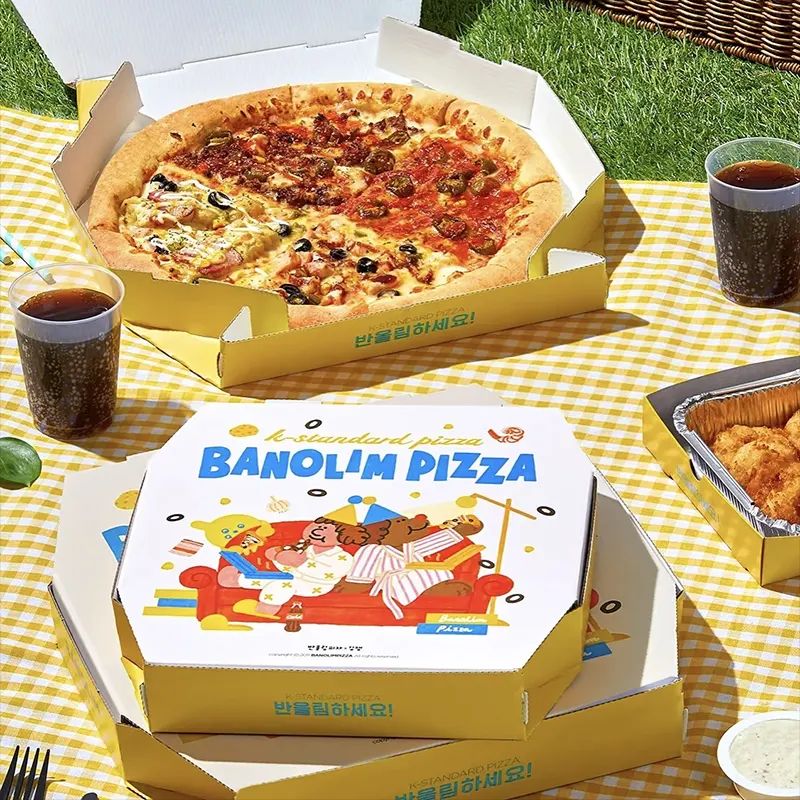
You know that moment when you open the fridge and find a container of leftovers you forgot about? The food has turned into something unrecognizable, yet the box still looks ready for another decade of service. This packaging flips that script. Made from plant fibers like sugarcane bagasse, bamboo, or mycelium, it starts returning to the earth before your leftover pasta even develops a fuzzy coat. No plastic liner, no wax coating—just organic material that microbes actually want to eat.
The secret isn't just the material, but what's left out. Traditional takeout boxes often hide a thin petroleum-based film that keeps grease from soaking through, but that same film hangs around for centuries. This box uses natural binders and heat-pressed fibers instead, so moisture and air can work their way in. Toss it into a home compost pile or a municipal composting bin and you'll see it darken, soften, and crumble within a few weeks. In industrial composting facilities, it can vanish even faster—sometimes in under thirty days.
What makes this more than a novelty is the timing. Your kale salad wilts in three days, rice grows mold in five, and that leftover curry might last a week before it becomes a science project. This box is designed to degrade on a similar schedule, not a geological one. That means less plastic in landfills, less microplastic in soil, and a quiet reminder that packaging doesn't have to outlive the meal by a thousand years.
Keep the Cheese, Lose the Grease Stains
Melted cheese has a way of finding every possible escape route, and once it drips, that bright orange oil seems determined to set up permanent residence in your shirt. The trick isn't to avoid cheese altogether, but to understand how it behaves. Cheese fat binds to fabric fibers quickly, so the first move is always to scrape away the excess without rubbing it deeper into the weave. A dull knife or the edge of a spoon works better than a frantic paper towel, which often smears the stain into a larger, angrier patch.
Before reaching for the heavy-duty chemicals, give the stain a gentle pre-treatment with plain dish soap. Liquid soap designed to cut through grease is your best friend here because it loosens the same type of lipids found in cheese. Work it in softly with your fingertips or a soft-bristled brush, then let it sit for ten minutes. If you're away from home, a dab of hand sanitizer or even clear shampoo can break down the oil enough to buy you time until you can treat it properly.
Wash the garment in the hottest water the fabric can safely handle, adding a bit of enzyme-based laundry booster if you have one. Avoid the dryer until you're certain the stain is gone, since heat will bake any remaining grease into the fibers permanently. Check the spot under bright light before drying, and repeat the soap treatment if a faint shadow lingers. With a little patience, you can enjoy that extra slice of pizza without wearing it for the rest of the day.
A Box That Earns Its Spot in the Garden
A well-designed garden box isn’t just another container—it becomes a defining element of the outdoor space. Instead of blending into the background, it draws the eye with clean lines, thoughtful proportions, and materials that age gracefully. Whether it’s holding herbs by the kitchen door or anchoring a far corner with seasonal blooms, the right box offers both a visual anchor and a practical workspace for tending plants without kneeling on damp ground.
The key is to treat the box as furniture for the garden, not an afterthought. Cedar and powder-coated steel hold up to weather while developing a patina that feels intentional. Raised edges keep soil and mulch contained, and a slightly tapered profile prevents the piece from looking bulky. When placed where it can be seen from a window or patio, it earns its spot by creating a focal point that changes with the seasons—seedlings in spring, cascading foliage in summer, dried stems left standing through winter.
Beyond looks, a box that pulls its weight offers flexibility. Move it to follow the sun, swap out tired annuals for hardy succulents, or use it to define a pathway without committing to permanent beds. It’s the kind of object that asks for little but gives the garden a sense of order and intent, proving that the most useful pieces are often the ones you notice only when they’re gone.
Slimmer Boxes, Cleaner Counters
The shift toward slimmer packaging isn't just about saving shelf space—it's a quiet revolution in how we experience our kitchens. Those bulky, air-filled boxes that once dominated countertops are being replaced by compact designs that slide neatly into narrow drawers or stand flush against backsplashes. The result? A countertop that feels less like storage and more like intentional space.
This leaner approach also changes the rhythm of daily routines. With less visual clutter, there's less to knock over, less dust to wipe around, and fewer moments of hunting for a utensil behind a fortress of cardboard. It's a subtle efficiency that rewards you every time you reach for a spatula or plug in the toaster.
What makes the difference is material honesty. Slimmer boxes often mean less excess packaging, so the product itself carries more of the visual weight. A sleek container of tea, a tightly wrapped brick of coffee, a low-profile cereal box—these feel more like objects designed for living, not just shipping. And when the counters clear, the room breathes differently, as if the kitchen itself relaxed.
Designed to Disappear (Responsibly)
A lot of products are engineered to outlive their usefulness by decades, which sounds sturdy but really just postpones a mess. Designing for disappearance flips that: the end of use is considered from the first sketch. Materials are selected to break down completely, components can be returned for reprocessing, and nothing is left to leach into soil or water. It's not about making things fragile—it's about giving them a graceful exit.
The word “responsibly” carries the weight here, because many so-called degradable options only split into smaller, less visible pieces. A genuinely responsible design specifies the conditions and timeline: this film dissolves in warm water, that foam composts in a backyard pile, this casing returns through a prepaid mailer. These details matter more than a green label. They tell you exactly where the material goes and what it becomes.
In practice, that means the product doesn't linger as a burden after its job is done. You get the function you needed, then the object steps aside through a clear pathway—compost, recycling stream, or safe biological breakdown. No guilt, no hidden cleanup, no future excavation of your old purchases. Just a cleaner ending built in from the start.
FAQ
They use a plant-based wax lining that keeps oils from soaking through, so your countertops and hands stay clean.
Yes, the box is free of plastic films and breaks down in about 90 days under typical composting conditions.
Not really. Just scrape out any leftover food and the entire box can go with your normal curbside recycling.
The cardboard comes from certified sustainable forests and uses 30% less raw fiber, which lowers the carbon footprint without sacrificing strength.
The structural vents release steam slowly rather than trapping it, so the crust stays firmer and the cheese doesn't get rubbery.
All printing uses water-based, food-grade inks, and the grease-resistant coating is free of PFAS and heavy metals.
The sides fold flat with a simple pull tab, so you can fit several used boxes into one recycling bin without tearing them apart.
Many people line a baking tray with the flattened lid to catch drips when reheating slices, then compost or recycle it afterward.
Conclusion
The familiar greasy pizza box has always been a small kitchen tragedy: it soaks through, leaves orange splotches on the counter, and forces you to decide between a guilty recycling bin or a smelly trash bag. The new wave of pizza packaging finally addresses that mess head-on. Instead of relying on wax or plastic films, these boxes use a thin, plant-based barrier that keeps oil and moisture locked inside. That means no more oily cardboard guilt when you toss the box, and no more scrubbing cheese grease off your countertop. The design is also noticeably slimmer, so you get the same sturdy support without the bulky flaps that used to hog space and drip onto every surface.
What makes these boxes genuinely different is what happens when the meal is over. The materials break down quickly in a home compost pile—often faster than the leftover slice you forgot in the fridge. Tear the box into pieces, add it to your garden, and it turns into healthy soil instead of lingering in a landfill for months. That “designed to disappear responsibly” approach means the box doesn't just avoid harm; it actively gives something back. You keep the melted cheese where it belongs, the counters stay clean, and the planet gets a little greener with every pizza night. It's a rare packaging upgrade that solves the small daily annoyances and the bigger environmental problem at the same time.
Contact Us
Contact Person: Sasha Du
Email: [email protected]
Tel/WhatsApp: +86 13869836645
Website: https://www.zmjpackagings.com/