

Powder Storage Silo Solutions: Optimizing Efficiency and Safety with Advanced Design Strategies
2026-04-05
In the demanding world of industrial material handling, powder storage silos are the unsung heroes—critical components that can make or break operational efficiency and safety. Yet, many facilities still rely on outdated designs that lead to costly inefficiencies, contamination risks, and safety hazards. At Fanchang Machinery, we’ve dedicated ourselves to revolutionizing this space with advanced design strategies that not only optimize performance but set new standards for reliability. This blog delves into how innovative silo solutions can transform your operations, ensuring seamless material flow, enhanced safety protocols, and long-term sustainability. Whether you’re managing chemicals, food products, or construction materials, discover the cutting-edge approaches that keep your processes running smoothly and safely.
Introducing Next-Generation Powder Storage Silo Designs
Our latest powder storage silo designs represent a significant leap forward in industrial materials handling, focusing on enhanced durability and operational efficiency. By integrating advanced materials like reinforced composites and anti-corrosive coatings, these silos offer superior resistance to abrasion and environmental factors, ensuring longer service life and reduced maintenance costs. Additionally, features such as seamless internal surfaces minimize product buildup, streamlining cleaning processes and improving overall hygiene standards.
Key innovations include smart monitoring systems that provide real-time data on filling levels, temperature, and humidity, allowing for precise control and optimization of storage conditions. This not only enhances safety by preventing overfilling and moisture-related issues but also boosts productivity through automated alerts and remote access capabilities. Customizable options, such as modular configurations and variable capacities, cater to diverse industrial needs, making these silos adaptable for applications ranging from food processing to chemical manufacturing.
In response to sustainability concerns, the designs incorporate energy-efficient components and eco-friendly materials, contributing to reduced carbon footprints and operational expenses. By prioritizing both performance and environmental impact, these next-generation silos set a new benchmark in the industry, empowering businesses to achieve greater reliability and cost-effectiveness in their powder storage operations.
How Smart Monitoring Systems Enhance Operational Safety
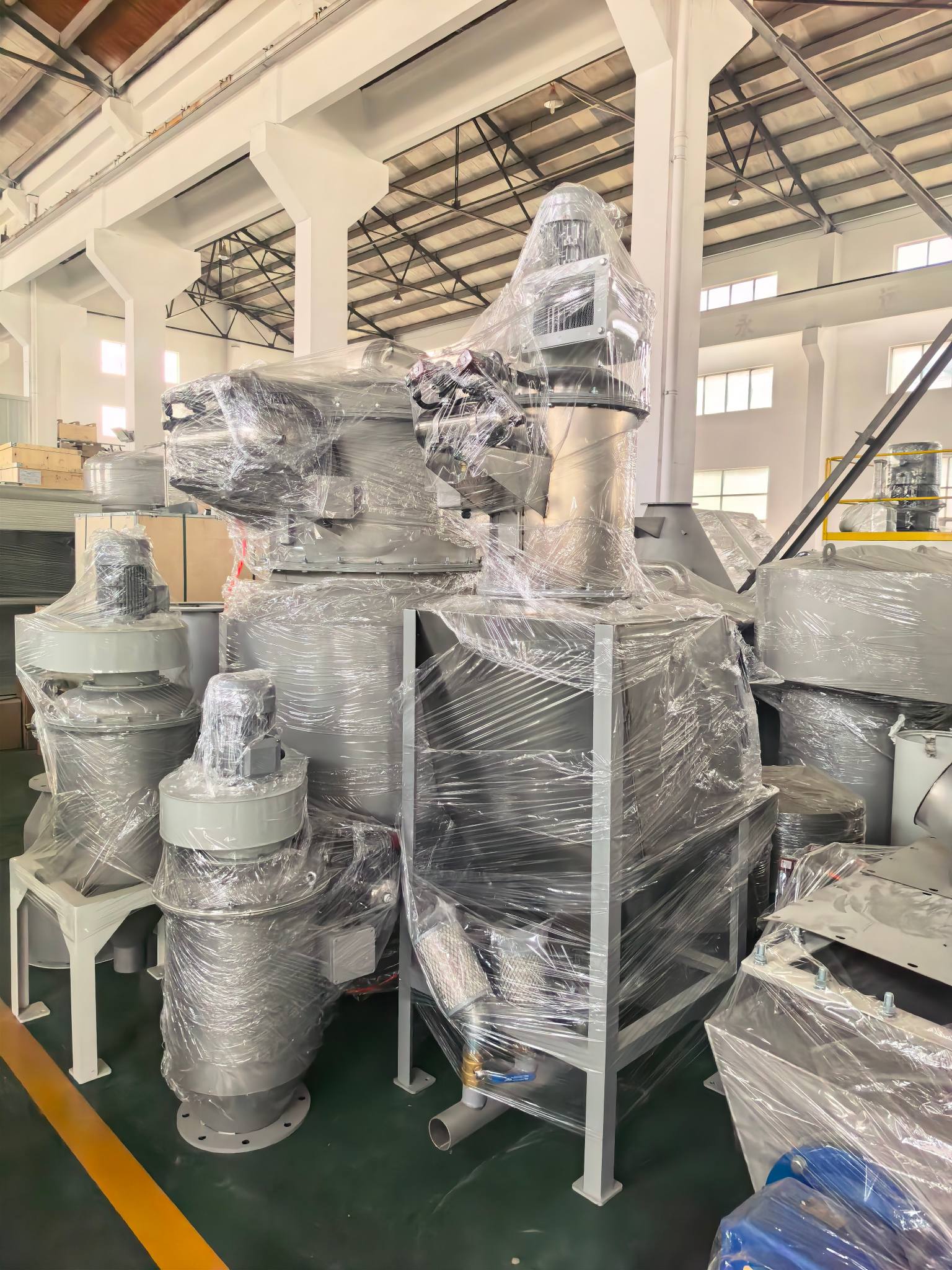
Imagine walking into a factory floor where every machine, pipeline, and workstation communicates its health in real-time, flagging potential hazards before they escalate into accidents. Smart monitoring systems are revolutionizing operational safety by integrating sensors, IoT devices, and predictive analytics to create a proactive safety net. These systems continuously collect data on equipment performance, environmental conditions, and human activities, allowing for immediate detection of anomalies such as overheating in machinery or toxic gas leaks. By automating routine checks and providing instant alerts, they reduce reliance on manual inspections, minimizing human error and ensuring that safety protocols are enforced consistently across operations. This shift from reactive to predictive safety management not only prevents costly downtime but also safeguards workers, creating a more resilient and compliant industrial environment.
Beyond mere detection, smart monitoring enhances safety through advanced data analysis and machine learning algorithms. These technologies can identify patterns and trends that might be overlooked by human observers, predicting failures before they occur. For instance, in the energy sector, such systems analyze vibration data from turbines to forecast mechanical wear, scheduling maintenance well in advance to avoid catastrophic breakdowns. This predictive capability extends to environmental factors like temperature fluctuations or humidity levels, which can trigger automated adjustments in ventilation or cooling systems to prevent overheating incidents. By transforming raw data into actionable insights, these systems empower decision-makers to implement targeted safety measures, fostering a culture of continuous improvement and reducing the likelihood of accidents in high-risk settings.
Moreover, smart monitoring systems integrate seamlessly with other digital tools, such as wearable devices for workers and centralized control panels, creating a holistic safety ecosystem. In construction sites, for example, sensors can track the location and movements of personnel, issuing warnings if someone enters a restricted or hazardous area. This real-time coordination ensures that safety protocols are dynamically adapted to changing conditions, enhancing situational awareness for all involved. By providing a comprehensive view of operational risks, these systems not only mitigate immediate dangers but also contribute to long-term safety strategies, making industries like manufacturing and transportation more adaptable and secure in an increasingly complex world.
Material Flow Optimization Techniques for Maximum Efficiency
In today's fast-paced industrial landscape, streamlining material flow isn't just a logistical necessity—it's a game-changer for boosting efficiency and cutting costs. By analyzing and refining every movement of materials, from raw input to finished product, businesses can eliminate bottlenecks, slash production times, and dramatically enhance system throughput. It's all about creating a seamless, consistent journey that keeps operations humming smoothly and economically.
While many focus on high-tech solutions, sometimes the most impactful improvements come from rethinking basic processes. Techniques like value stream mapping, which maps out each step of material handling to identify waste, or just-in-time delivery, which minimizes inventory and reduces storage needs, can offer significant gains with minimal investment. Coupled with smart layout designs that position equipment and workstations for optimal flow, these approaches ensure materials move efficiently without unnecessary delays or extra handling.
For those aiming to push efficiency further, embracing automation and data analytics can take material flow to new heights. Automated guided vehicles (AGVs) and conveyor systems, guided by real-time data from sensors and IoT devices, enable dynamic adjustments that respond instantly to changes in demand or production schedules. This not only boosts accuracy and speed but also reduces human error, making the entire process more resilient and adaptable. The result is a leaner, more agile operation that consistently delivers maximum output with minimal waste.
Preventing Contamination with Sealed Storage Solutions
Imagine opening a container only to find its contents spoiled or tainted by external elements. This common issue underscores the critical role of sealed storage solutions in safeguarding products from contamination. By creating an airtight barrier, these systems effectively block dust, moisture, bacteria, and other contaminants that can compromise quality. For industries like pharmaceuticals, food service, and manufacturing, such protection isn't just a convenience—it's a necessity to maintain safety standards and extend shelf life. Investing in robust sealing mechanisms ensures that what goes in stays pristine until it's needed.
Beyond basic protection, advanced sealed storage options offer tailored benefits that adapt to specific environments. For instance, in laboratories handling sensitive materials, hermetically sealed containers prevent cross-contamination and preserve sample integrity. In retail, tamper-evident seals build consumer trust by visibly indicating if a product has been compromised. These solutions often incorporate features like gaskets, locking clips, or vacuum-sealing technologies, which not only enhance security but also improve efficiency by reducing waste and minimizing the need for frequent inspections.
Ultimately, the value of sealed storage lies in its ability to provide peace of mind in a world where contamination risks are ever-present. By integrating smart designs—such as materials resistant to corrosion or easy-to-clean surfaces—these solutions support sustainable practices and operational excellence. Whether for everyday household items or critical industrial supplies, opting for reliable sealing methods fosters a culture of care and precision, ensuring that everything from food to fine chemicals remains protected and ready for use without unexpected setbacks.
Customizable Silo Configurations for Diverse Industrial Needs
Industrial operations often face unique challenges that off-the-shelf silo solutions can't fully address. Customizable silo configurations allow businesses to tailor storage systems to specific needs, whether handling abrasive materials in mining or sensitive chemicals in pharmaceuticals. By working with engineers to adjust factors like material type, capacity, and environmental conditions, companies can optimize efficiency and reduce waste, ensuring silos integrate seamlessly into complex workflows.
From modular designs that expand with production growth to specialized coatings that resist corrosion, customization extends beyond basic specifications. For instance, a food processing plant might require silos with smooth interiors to prevent contamination, while a construction firm could benefit from reinforced structures for heavy aggregates. This flexibility not only enhances operational performance but also supports sustainability by minimizing resource overuse and adapting to evolving industry standards.
Implementing tailored silo solutions involves collaboration between clients and manufacturers to balance cost, durability, and functionality. Real-world examples show how such configurations have led to breakthroughs in sectors like agriculture, where temperature-controlled silos preserve grain quality, or manufacturing, where automated loading systems streamline logistics. By prioritizing customization, industries future-proof their storage infrastructure, fostering innovation and competitive advantage in a dynamic market.
Future Trends in Powder Storage Technology and Innovation
As industries increasingly rely on powdered materials—from pharmaceuticals and food to chemicals and advanced manufacturing—storage solutions are evolving to meet higher demands for safety, efficiency, and sustainability. One key trend is the integration of smart technologies, such as IoT-enabled sensors and AI-driven monitoring systems, which provide real-time data on factors like moisture levels, temperature, and contamination risks. This not only enhances operational control but also minimizes waste and prevents costly downtime, making storage more adaptive to dynamic production environments.
Innovation is also pushing the boundaries in material design and engineering. Lightweight, durable composites and coatings are being developed to improve the longevity and hygiene of storage containers, reducing maintenance needs and contamination. Additionally, modular and scalable storage systems are gaining traction, allowing facilities to easily expand or reconfigure setups as production scales shift. These advancements support a move toward more flexible, cost-effective infrastructure that can handle diverse powder types without compromising on safety or performance.
Looking ahead, sustainability is becoming a central focus, with trends emphasizing eco-friendly practices and circular economy principles. For instance, there's a growing interest in biodegradable or recyclable storage materials and energy-efficient systems that lower carbon footprints. Innovations like closed-loop storage, which minimizes dust emissions and material loss, align with global environmental goals while boosting operational efficiency. Ultimately, the future of powder storage is set to be smarter, more resilient, and greener, driven by continuous technological breakthroughs and industry collaboration.
FAQ
Safety is prioritized through features like explosion venting systems, inert gas blanketing, and proper grounding to prevent static discharge, ensuring compliance with industry standards.
Advanced designs incorporate automated filling and discharge systems, along with precise level monitoring, to reduce manual labor and minimize material waste.
Silos are typically constructed from high-strength steel or aluminum, with specialized coatings to resist corrosion and facilitate smooth material flow.
Aeration systems use controlled airflows to fluidize powders, preventing bridging and ratholing, which ensures consistent discharge and maintains product quality.
Regular inspections for wear, cleaning to prevent buildup, and calibration of sensors are essential to avoid downtime and extend operational lifespan.
Designs must account for factors like humidity and temperature, using insulation and moisture barriers to protect sensitive materials from degradation.
Conclusion
Powder storage solutions have evolved significantly with advanced designs that prioritize both efficiency and safety. Next-generation silo designs, such as modular and spherical configurations, enable better material handling and storage capacity, reducing operational downtime and maintenance costs. Smart monitoring systems play a crucial role by using sensors and IoT technology to detect issues like overpressure or temperature fluctuations in real-time, preventing accidents and ensuring compliance with safety standards. Additionally, material flow optimization techniques, including pneumatic conveying and fluidization, minimize waste and enhance throughput, making processes more cost-effective and sustainable.
To maintain product integrity, sealed storage solutions prevent contamination by isolating powders from external elements, which is essential in industries like pharmaceuticals and food processing. Customizable silo configurations allow businesses to adapt to diverse industrial needs, whether for small-scale applications or large bulk storage, providing flexibility and scalability. Looking ahead, future trends in powder storage technology, such as AI-driven automation and eco-friendly materials, promise further innovations. By integrating these elements, companies can achieve a balance of operational excellence and risk mitigation, driving long-term success in powder-handling environments.
Contact Us
Contact Person: Darye WANG
Email: [email protected]
Tel/WhatsApp: 86-13501017897
Website: https://www.fcntd.com/