

Refrigerated Trailer Solutions for Efficient Cold Chain Transport
2026-04-18
In the fast-paced world of cold chain logistics, maintaining the integrity of perishable goods from farm to fork is a critical challenge. Refrigerated trailers play a pivotal role in ensuring that temperature-sensitive products, from fresh produce to pharmaceuticals, reach their destinations safely and efficiently. At Oriental Shimao, we specialize in cutting-edge refrigerated trailer solutions designed to optimize your cold chain transport. In this blog, we'll explore innovative technologies and practical strategies that can streamline your operations, reduce costs, and enhance reliability. Dive in to discover how you can leverage these solutions to stay ahead in a competitive market and keep your cargo in perfect condition every step of the way.
Advanced Refrigeration Technologies for Modern Cold Chain Transport
In today's fast-paced global market, advanced refrigeration technologies are revolutionizing cold chain transport by offering unprecedented efficiency and reliability. Innovations such as smart sensors and IoT integration enable real-time monitoring of temperature, humidity, and product conditions, ensuring that perishable goods like pharmaceuticals and fresh food maintain their quality and safety throughout the journey. These systems can automatically adjust settings based on external factors, reducing energy consumption and minimizing spoilage risks. Additionally, eco-friendly refrigerants and energy-efficient designs are becoming standard, supporting sustainability goals without compromising performance. This technological leap not only enhances logistics but also builds consumer trust by delivering products in optimal states.
Another key breakthrough lies in the development of modular and flexible refrigeration units tailored for diverse transport modes, from trucks and containers to drones. These units incorporate advanced insulation materials and advanced compressors that operate quietly and with minimal vibration, preserving product integrity in sensitive cargo. For instance, some systems use magnetic refrigeration or phase-change materials that provide stable cooling even in extreme conditions, reducing dependency on fossil fuels. Moreover, blockchain technology is being integrated to create transparent, tamper-proof records of the cold chain, enabling traceability from source to destination. This combination of physical and digital innovations ensures that modern refrigerated transport is not just a logistical necessity but a competitive advantage for businesses.
Looking ahead, the continued evolution of these technologies is poised to tackle emerging challenges like climate change and supply chain disruptions. Cutting-edge solutions such as AI-driven predictive maintenance and renewable energy-powered refrigeration are on the horizon, promising to further reduce costs and environmental impact. By focusing on adaptability and resilience, advanced refrigeration systems are setting new standards for the cold chain, making it more robust and responsive to global demands. This forward-thinking approach helps industries navigate complex logistics while ensuring that critical goods reach their destinations safely and efficiently, fostering innovation across sectors.
Energy-Efficient Systems to Lower Operational Costs in Transit
In today's transit landscape, energy-efficient systems are more than just a buzzword—they're a crucial tool for slashing operational costs. By integrating technologies such as regenerative braking and optimized route planning software, transit operators can significantly reduce fuel and electricity consumption. For instance, regenerative braking recaptures energy during deceleration, feeding it back into the system to power lights or accelerate vehicles, which can cut energy bills by up to 30%. This not only trims expenses but also enhances sustainability, making transit services more appealing to eco-conscious riders.
Beyond technology, operational strategies play a key role in boosting efficiency. Implementing low-energy lighting in stations and depots, coupled with smart HVAC systems that adjust based on occupancy, can lead to substantial savings. These measures reduce maintenance and replacement costs over time, fostering a resilient infrastructure. As transit agencies face budget pressures, such innovations offer a dual benefit: they lower day-to-day expenses while future-proofing operations against rising energy prices.
What sets leading transit systems apart is their holistic approach to energy management. By combining real-time data analytics with predictive maintenance, they preempt inefficiencies before they escalate. For example, monitoring fleet performance helps identify underperforming vehicles early, allowing for timely adjustments that prevent costly repairs. This proactive stance not only curbs operational costs but also improves reliability, ensuring smoother rides and higher customer satisfaction in competitive markets.
Customizable Trailer Solutions for Diverse Temperature Requirements
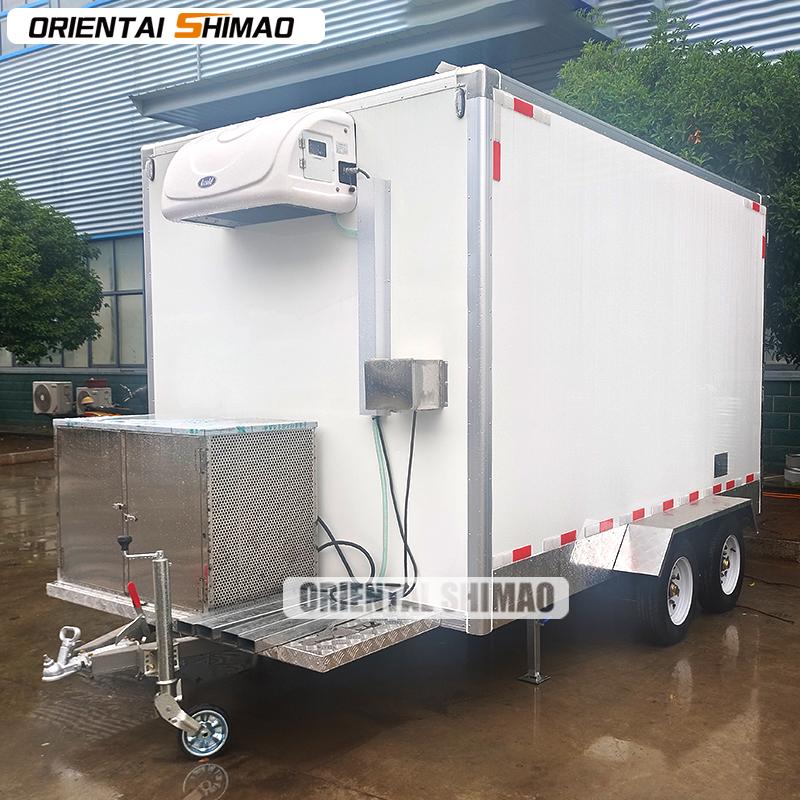
In industries like logistics and pharmaceuticals, trailers must adapt to varying temperature needs to ensure product integrity. Customizable solutions offer flexibility, allowing businesses to tailor insulation, refrigeration systems, and materials based on specific cargo requirements. This approach not only enhances efficiency but also reduces waste by optimizing conditions for each shipment.
By integrating advanced technologies such as smart sensors and automated climate control, these trailers can maintain precise temperatures, even in extreme environments. Companies benefit from real-time monitoring and energy savings, making operations more sustainable and cost-effective in the long run.
Whether for frozen goods, perishable items, or temperature-sensitive materials, a tailored trailer setup ensures reliability and compliance with industry standards. Investing in customization helps businesses stay competitive and meet evolving regulatory demands.
Durable Construction and Insulation for Long-Distance Reliability
In today's global manufacturing and supply chain environments, ensuring that products withstand the rigors of long-distance transport is paramount. Durable construction involves using high-quality materials and advanced engineering techniques to build components that resist physical stress, vibrations, and environmental factors. For instance, incorporating reinforced frames or impact-resistant coatings can prevent damage during transit, while robotic welding enhances structural integrity. This approach not only extends product lifespan but also minimizes maintenance issues down the line.
Effective insulation goes hand in hand with durability to maintain performance over vast distances. By employing materials like layered polymers or aerogels, products can be shielded from temperature fluctuations, humidity, and electromagnetic interference. This insulation ensures that sensitive electronic parts or perishable goods remain stable, preventing malfunctions or spoilage en route. Differentiating from standard methods, we integrate smart monitoring systems that provide real-time data on insulation conditions, allowing for proactive adjustments and superior reliability in diverse climates.
Together, these elements forge a robust system where durability and insulation synergize to deliver unmatched long-distance reliability. Instead of relying on generic solutions, each design is tailored based on route analysis and client-specific needs, such as optimizing for maritime transport or cross-country trucking. This personalized strategy results in reduced downtime and enhanced customer satisfaction, setting our offerings apart by focusing on real-world challenges and innovative, adaptable technologies.
Smart Monitoring and Control Features for Real-Time Tracking
Smart monitoring and control features enable precise tracking of operational data, allowing users to access live dashboards that update instantly as conditions change. These systems integrate sensors and analytics tools to detect anomalies and trends, providing actionable insights without delays. With customizable alerts and notifications, teams can respond proactively to issues, minimizing downtime and optimizing resource allocation in dynamic environments.
Advanced control capabilities allow for remote adjustments based on real-time feedback, empowering users to fine-tune processes on the fly. Features like predictive maintenance and automated workflows enhance efficiency by anticipating needs before they arise. This hands-on approach not only boosts productivity but also reduces manual intervention, making operations smoother and more responsive to evolving demands.
By leveraging cloud connectivity and secure data protocols, these features ensure reliable tracking across distributed setups, from single sites to global networks. The intuitive interface supports collaboration, enabling teams to share insights and coordinate actions seamlessly. This holistic framework transforms raw data into strategic advantages, driving innovation and fostering agile decision-making in today's fast-paced landscape.
Innovative Design Elements to Boost Loading and Unloading Speed
Imagine a supply chain where trucks don't sit idle for hours at loading docks. This isn't a distant dream but a reality achievable through thoughtful design elements that ramp up efficiency. By integrating adjustable loading bays that accommodate various vehicle heights and automated dock levelers, businesses can slash waiting times and ensure a seamless transfer of goods. These innovations aren't just about speed; they're about optimizing every movement to keep operations fluid and responsive.
Another game-changer is the use of smart conveyor systems equipped with sensors and AI-driven algorithms. These systems dynamically route packages based on their size, weight, and destination, minimizing bottlenecks during both loading and unloading. Paired with ergonomic design features like mobile shelving and quick-release strapping mechanisms, workers can handle items more swiftly and safely, reducing manual strain and boosting overall throughput without compromising on accuracy.
To truly stand out, consider incorporating modular container designs that allow for pre-loaded units to be swapped in and out rapidly. This approach, combined with RFID technology for real-time tracking, ensures that inventory flows smoothly from storage to transport, cutting down on delays. It's all about crafting a logistics environment where every element, from the layout to the tools used, works in harmony to accelerate processes and keep pace with today's fast-moving demands.
FAQ
Refrigerated trailers, or 'reefers', feature integrated cooling systems that maintain precise temperature control, whereas standard trailers lack this capability and are unsuitable for perishable goods.
Advanced models employ multi-zone climate control, real-time monitoring via IoT sensors, and insulated panels to sustain uniform temperatures, even in fluctuating external conditions.
Sectors like pharmaceuticals, food and beverage, and floral transport rely heavily on these trailers to preserve sensitive products and comply with safety regulations.
Yes, specialized units are designed for ultra-low temperatures, using robust compressors and enhanced insulation to support deep-freeze applications like transporting vaccines or frozen foods.
Regularly servicing the cooling unit, checking door seals for leaks, and cleaning air filters can prevent breakdowns and ensure efficient operation over time.
By maintaining optimal storage conditions, these trailers minimize spoilage and extend shelf life, allowing more products to reach consumers in fresh condition.
Manufacturers offer models with energy-efficient systems, alternative refrigerants, and solar-powered units to reduce carbon footprints and operational costs.
Conclusion
Refrigerated trailers are essential for maintaining the integrity of perishable goods throughout the cold chain, and modern solutions emphasize advanced refrigeration technologies that ensure precise temperature control across varied climates. These systems, combined with energy-efficient designs, significantly reduce operational costs by optimizing power usage during transit, making them economically viable for long-haul logistics. Moreover, customizable configurations allow trailers to meet diverse temperature requirements, from frozen foods to pharmaceuticals, ensuring flexibility in handling different cargo types. The durability of construction and high-grade insulation further enhances reliability over long distances, preventing temperature fluctuations that could compromise product quality.
To boost efficiency, smart monitoring and control features enable real-time tracking of temperature and humidity, providing alerts for any deviations and facilitating proactive maintenance. Innovative design elements, such as optimized door placements and internal layouts, accelerate loading and unloading processes, minimizing downtime and improving overall workflow. By integrating these aspects, refrigerated trailer solutions not only safeguard goods but also streamline operations, making them indispensable for a robust and efficient cold chain transport system that adapts to evolving industry demands.
Contact Us
Contact Person: Jack Wang
Email: [email protected]
Tel/WhatsApp: 8618306483516
Website: https://www.orientalshimaofoodtruck.com