

RFID Jewelry Brand: How Smart Tech is Transforming Luxury Authentication
2026-05-17
In a world where luxury often walks a fine line between genuine prestige and clever imitation, the jewelry industry is turning to an unlikely ally: RFID technology. OSRFID is at the forefront of this quiet revolution, embedding intelligence into every clasp and gemstone. Imagine a simple scan revealing a piece's entire journey—from the artisan's bench to your jewelry box—verifying its authenticity in seconds. This isn’t just about catching counterfeits; it’s about redefining trust, storytelling, and the very experience of owning something truly precious. Discover how smart tech is not just protecting luxury, but elevating it.
The Silent Epidemic: Why Luxury Jewelry Needs a Digital Shield
Luxury jewelry has long been synonymous with exclusivity and trust, yet a quiet threat is eroding that foundation. Counterfeiters, online fraudsters, and data breaches are chipping away at brand integrity in ways many houses still overlook. When a customer buys a diamond necklace, they’re not just purchasing gemstones—they’re investing in a story, a promise of authenticity. Without robust digital safeguards, that story can turn into a liability overnight.
The industry often focuses on physical security, but the real vulnerability lies in the digital space. From unsecured client data to fake e-commerce sites replicating entire catalogs, the damage is spreading silently. A single incident—whether a phishing attack or a cloned social media account—can tarnish decades of prestige. It’s time for luxury jewelers to treat digital protection not as an IT afterthought, but as a core part of their brand’s DNA.
Beyond the Tag: How RFID Transforms a Simple Identifier into a Guardian
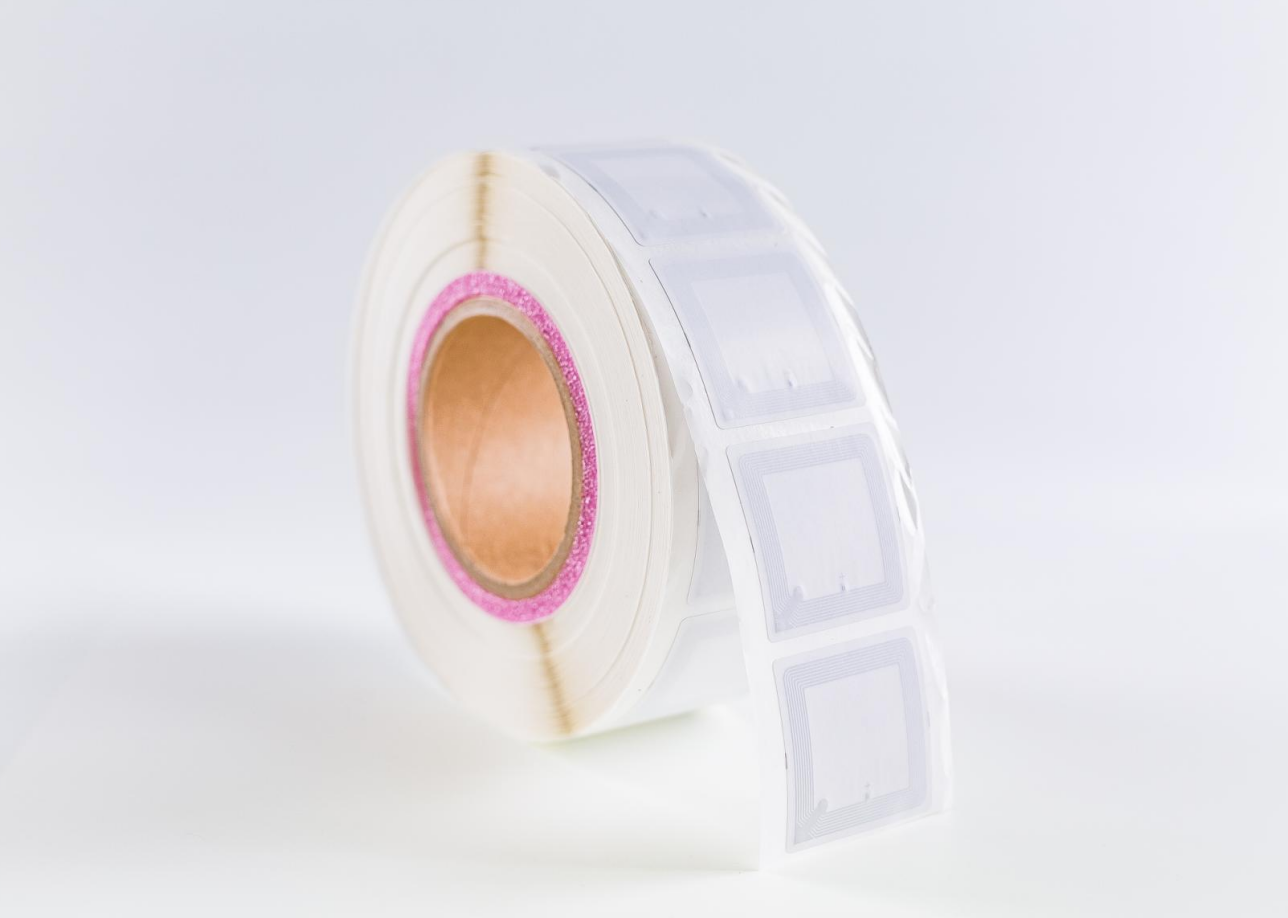
An RFID tag is often seen as nothing more than a digital label—a string of data to identify an object. But when you look closer, it works more like a silent sentinel. It doesn’t just say “this is a box of medicine”; it remembers where the box has been, if it ever got too warm, and whether it’s still the real thing. That tiny chip becomes a thread of accountability, stitching trust into every handoff along the supply chain.
The transformation happens quietly. A tag on a high-value component doesn’t just report its ID—it logs every shock, every temperature spike, building a story that quality managers can read like a journal. It turns a passive marker into an active witness. In a hospital, a wristband with embedded RFID doesn’t merely confirm a patient’s name; it guards against medication errors by cross-checking the right drug, dose, and time, almost like a second pair of eyes that never blink.
What really changes is the nature of presence. Instead of waiting for a periodic scan, these guardians pulse with real-time awareness. A tool tracked in a factory doesn’t just wait to be found—it shouts its location when it drifts too close to a hazardous zone, protecting both the asset and the operator. In the end, it’s not about the tag itself, but the memory, vigilance, and voice it carries. The identifier becomes a guardian the moment we let it remember and react.”
From Mine to Masterpiece: Tracking Every Hand That Touched the Gem
A rough stone pulled from deep earth carries no hint of its future brilliance. Its first journey is in the calloused palms of miners—men and women who read the rock like a language, spotting potential beneath layers of dust and time. From there, it moves to local traders, middlemen who sort and negotiate, their hands bridging the gap between raw extraction and the wider world. Each transaction etches a story of trust, sharp eyes, and quiet negotiations, all before the gem has even seen an open market.
Once purchased by a larger distributor, the stone enters a more clinical phase. Cutters and polishers take over, their craft a blend of math and instinct. They study the rough, mapping its inner fractures and hidden color, deciding how to coax maximum fire from a frozen fragment of geology. It’s a patient dance—one wrong angle can shatter potential. These artisans rarely meet the miners, yet their work depends entirely on the choices made thousands of miles away and days earlier.
Finally, the finished gem lands in the hands of designers and jewelers, who treat it as both a challenge and a muse. They build settings that honor its singular shape and story, often unaware of the precise path it traveled—only that it passed through many lives to reach theirs. When it rests in a showcase or adorns a hand, the chain of custody becomes invisible, leaving behind only the quiet truth that a single gem is, in fact, a collective creation.
When Elegance Meets Intelligence: The Seamless Fusion of Craft and Code
Elegance in design has always been about the subtle interplay of form, proportion, and detail—qualities traditionally honed through years of skilled craftsmanship. Today, these same principles are finding new expression through intelligent systems that learn, adapt, and augment the creative process. Rather than replacing human artistry, code becomes an extension of the maker’s intuition, translating abstract ideas into precise, yet fluid, digital realities. The result is a partnership where the tactile warmth of handcrafted detail meets the analytical finesse of algorithms, giving rise to objects, interfaces, and experiences that feel both timeless and distinctly contemporary.
Behind this fusion lies a quiet revolution in how we conceive and build. Artisans who once relied solely on muscle memory now collaborate with machine learning models that suggest optimal material usage or unpredictable aesthetic variations, all while preserving the soul of the original vision. Developers, in turn, are borrowing from centuries-old craft philosophies—patience, iteration, and respect for the medium—to write code that is not just functional but beautiful in its structure. This cross-pollination cultivates a new creative vocabulary, one where a ceramicist’s sense of balance informs responsive web layouts, and a choreographer’s understanding of movement shapes fluid user interfaces.
What emerges is something greater than efficiency or novelty: it’s a deeper resonance with the end user. When a product carries the marks of both hand and mind—the visible grain of natural material alongside invisible layers of adaptive intelligence—it invites a more intuitive and emotional connection. The seamless integration doesn’t shout about its technology; it simply works, effortlessly, as if it was always meant to be that way. In this quiet alliance, elegance and intelligence cease to be competing ideals and become threads of the same fabric, woven tightly into everything we create.
A Tap Away from Truth: Empowering Buyers with Instant Verification
A single tap now cuts through the noise, erasing doubts before they settle. Picture standing in a store, holding a product with claims that seem too bold — instead of walking away, you pull out your phone, tap, and within seconds, the brand’s promises are either confirmed or exposed. No digging through forums, no squinting at fine print. The truth is just a heartbeat away, built into the very fabric of the shopping experience.
This instant verification doesn't just protect buyers; it flips the dynamic entirely. Suddenly, the power shifts from the seller’s polished narrative to undeniable facts pulled from labs, certifications, and real user data. That organic label? You can see the exact farm it came from. Those sustainability credentials? You’re shown the audit trail, not just a logo. It’s transparency so effortless that deception becomes almost impossible.
And the beauty is in its subtlety — this isn’t technology that demands your attention, but quietly arms you with confidence. It’s the difference between hoping you’ve made the right choice and knowing it. A tap away from truth means every purchase becomes a statement of trust built on verified reality, not marketing magic.
Tomorrow's Heirlooms: How Smart Authentication Redefines Lasting Value
What makes an object worthy of passing down through generations? Traditionally, it was about craftsmanship, rarity, or emotional significance. Today, a new layer of permanence is being woven into our possessions—smart authentication. By embedding digital certificates, biometric seals, or blockchain-based provenance into items, we're not just preserving their physical integrity, but codifying their stories and ownership in ways that endure beyond hardware.
Consider a high-end watch or a piece of art. Its value isn't solely in the materials; it's in the unbroken chain of custody and the guarantee of authenticity. Smart authentication takes this beyond paper records, creating an immutable digital soul for objects. This transforms them into dynamic heirlooms that can be verified, transferred, or even interact with their environment, shifting the perception of what makes something last.
The real redefinition happens in how we assign worth. When the proof of origin and history is sealed by technology we trust, the item becomes more than a relic—it becomes a trusted narrative. Families of the future might inherit not just a necklace, but the cryptographically assured timeline of its journey, making the authentication itself part of the treasure.
FAQ
RFID stands for Radio-Frequency Identification. It uses electromagnetic fields to automatically identify and track tags attached to objects. In luxury jewelry, a tiny RFID chip is embedded discreetly into the piece—often inside a clasp or under a gemstone setting—that stores a unique digital identity. When scanned by a specialized reader, it can verify the item's authenticity by cross-referencing with a secure database, proving its origin, ownership history, and materials.
Traditional paper certificates and engraved serial numbers are easily forged or lost. RFID offers a tamper-proof, digital twin for each piece. It enables real-time authentication without needing expert appraisal every time. Moreover, it can store encrypted data that’s nearly impossible to replicate, giving both brands and buyers a much higher level of confidence.
For the customer, an RFID-enabled jewel can unlock a digital experience. By scanning the piece with a smartphone, they might access its full provenance—details about the designer, the crafting process, and the sourcing of gemstones. It could also help in theft recovery, transfer of ownership, or even trigger personalized services like insurance reminders and care tips.
Yes, privacy is a valid concern. Because RFID can be read wirelessly, there’s a risk of unauthorized scanning if not properly encrypted. However, high-end implementations use advanced encryption and short read ranges, and many tags remain inactive until authenticated by a secure app. Brands are also adopting blockchain to ensure data immutability, so the chip alone can't reveal sensitive owner information without consent.
Absolutely. Counterfeits are a multi-billion-dollar problem. RFID tags can be linked to a blockchain ledger, creating a permanent, unalterable record from the mine to the market. Any attempt to duplicate the chip will be detected because the cryptographic handshake will fail. This not only deters counterfeiters but also helps law enforcement and custom officials identify fakes more effectively.
The future likely integrates RFID with the Internet of Things (IoT) and connected wardrobes. Imagine your jewelry box automatically inventorying your pieces, or a ring that confirms its presence on your finger for biometric pairing. We may also see dynamic NFC tags that update with each transaction, and widespread industry standards that make authentication seamless across all luxury goods.
Conclusion
The luxury jewelry world is quietly grappling with a crisis of trust. Counterfeits flood the market, and even seasoned collectors can't always tell a master forgery from a genuine heirloom. Enter RFID—not as a clunky add-on, but as an invisible digital shield woven right into the soul of each piece. This isn't about slapping a tag on a necklace; it's about embedding a unique, tamper-proof identity that stays with the jewel forever. From the very first diamond cutter to the final polish on a clasp, every hand that shapes the gem is recorded in an unbroken digital ledger. It's a story of provenance that becomes part of the jewel's DNA, offering a level of transparency that traditional certificates simply can't match.
The magic truly happens when old-world artistry meets smart technology. RFID chips are placed so discreetly—sometimes inside the setting itself—that they never compromise the piece's elegance. A simple tap with a smartphone grants the buyer instant, airtight verification: where the gold was mined, which artisan set the stones, and when it last changed hands. This isn't just a novelty; it redefines what makes an heirloom valuable. In a world obsessed with resale and circular fashion, a jewel's authenticated history becomes its most precious asset. It evolves from a static object into a living narrative, protected and passed down with confidence. That's the quiet revolution RFID brings—turning luxury jewelry into a story you can actually hold, one that grows richer with time.
Contact Us
Contact Person: Esme Mo
Email: [email protected]
Tel/WhatsApp: 0086 191 2931 7837
Website: https://www.osrfidglobal.com/