

Stainless Steel Casting Company: How to Choose a Reliable Manufacturing Partner
2026-11-16
Most purchasing managers have a horror story about a stainless steel casting supplier that looked perfect on paper. The samples were flawless, the price was right, and then production fell apart. So how do you separate genuine capability from a polished sales pitch? Below, we break down the factors that actually predict long-term reliability—and show how Supreme Machinery addresses each one.
Price Is the Last Thing to Compare
It's tempting to shortlist by price before anything else, but that's like judging a restaurant by how cheap the napkins are. You end up overlooking the things that actually determine whether the purchase works: how it handles edge cases, whether support replies before your deadline, and how much time your team will spend fighting the interface.
A better habit is to compare the outcome you're buying, then the friction of adopting it, and only then the number on the invoice. If a pricier option saves three hours a week, the math flips fast. Price still matters, but it belongs at the end of the checklist, not the top.
Ask for Rejected Parts, Not Just References
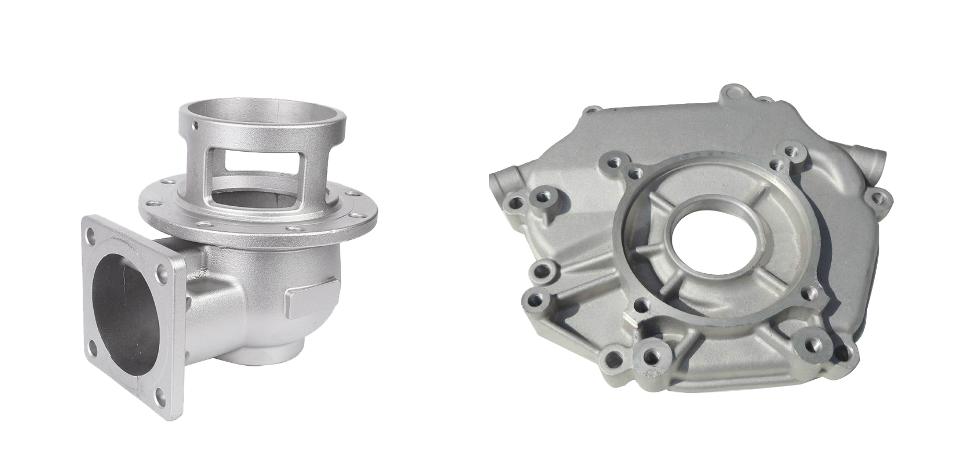
Most suppliers are happy to share shiny reference lists, but the real story usually sits in the scrap bin. When you ask for rejected parts, you get a look at how a company handles failure—whether they own the defect, document the root cause, and fix the process. References show you the highlights; rejected parts show you the habits.
One useful move is to request a sample of a part that failed inspection, along with the corrective action report. You don't need a perfect batch. You need proof that the team can spot a problem, trace it back, and stop it from repeating. If a supplier hesitates or gives you a vague answer, that hesitation is data too.
This approach shifts the conversation from marketing claims to actual problem-solving. It also tells you how much trust you can place in the next shipment. A rejected part is not a red flag by itself—it's an invitation to see the systems behind the product.
How They Handle a Design Change Tells You Everything
Most teams start a design change with the same script: open the file, update the spec, patch the affected components, and move on. But the way people actually navigate that process reveals who is coasting and who is thinking. Some developers will quietly adjust a margin or swap a color, never questioning whether the underlying structure still makes sense. Others pause long enough to ask what the change implies for the next ten screens. That hesitation is not inefficiency—it is the difference between maintaining a product and understanding it.
A small shift in a card layout can expose fragile assumptions about spacing, typography scale, or even data flow. Teams that handle it gracefully tend to have a shared mental model of the design system, so when a designer says "this should feel tighter," developers hear a conversation about rhythm and hierarchy rather than a pixel command. Teams that struggle will patch the issue locally, leave the system untouched, and then wonder why the next request takes twice as long. The change itself is rarely the problem; the problem is what the change uncovers about how the group collaborates.
Watch what happens after the handoff. Do people huddle around the affected screen, or do they trace the ripple effects into buttons, forms, and empty states? Do they update documentation, or does that live in someone's head? A design change is a stress test for communication habits, and it usually tells you more than any roadmap ever could.
In-House Casting vs. Brokering: Find Out Before You Sign
Most manufacturers quietly decide between in-house casting and brokering before the first pattern is even cut, yet few buyers realize how much that choice shapes everything from lead times to liability. When a foundry pours metal under its own roof, it owns the entire chain—pattern storage, metallurgy tweaks, secondary machining, and final inspection. That control often translates into tighter tolerance consistency and faster resolution when a casting comes out with subsurface porosity or a missed radius. But it also means you’re tied to that facility’s equipment limits, alloy specialties, and production backlog.
Brokering, by contrast, puts a middleman between your drawing and the furnace. A good broker can tap into a network of small and large foundries, juggling capacity to hit your delivery date even when one shop is down for maintenance. The trade-off is transparency: you may not know which foundry actually poured your parts, what their scrap rate looks like, or whether the heat-treat certificate matches the actual oven run. For simple brackets or low-volume prototypes, that opacity might be worth the scheduling flexibility. For safety-critical components or tight GD&T callouts, it’s a gamble you can’t afford to take blind.
Before you sign a purchase order, ask for the foundry’s physical address, not just the sales office. Check whether the phone number on the material cert routes to a real metallurgist or a forwarding service. The distinction matters most when something fails—because rework, recalls, and root-cause analysis are brutally difficult when the actual caster is three layers removed from your inspection report.
Alloy Inventory Reveals More Than a Certificate
A certificate tells you an alloy batch passed a test on a specific day. Walk through the inventory, though, and you start seeing the patterns no piece of paper can capture. How materials are separated, how long certain grades sit before use, whether heat numbers line up across shelves and bins—these details reveal whether quality is enforced daily or only documented.
Real inventory discipline shows in the unglamorous corners. Labels that stay legible after handling, segregation that prevents a near-match nickel alloy from drifting into a stainless job, and rotation habits that keep older stock from quietly aging past its intended use. When these routines are consistent, the alloy on the shelf becomes a live record of the shop's standards, not just a receipt of past compliance.
That live record pays off long after a certificate expires or a supplier changes. It helps you answer hard questions about a specific heat number months later, trace a material deviation to its source without guesswork, and know which alloy inventory can be trusted for critical work. The certificate says the material was good once; the inventory shows whether it has been handled like it matters since.
The Engineer's Answer Beats the Sales Pitch
When a vendor leans on a polished slide deck, the technical people in the room start waiting for the actual answer. An engineer doesn’t talk around a question about failure rates or API limits. They show the test run, explain the bottleneck, and admit what still needs work. That directness lands with far more weight than any carefully worded pitch.
A sales pitch is built to sound flawless, so it usually leaves out the messy details that matter during implementation. An engineer’s reply often starts with “It depends” and then gets specific about your infrastructure, your load profile, and the trade-offs you’ll face. That kind of answer might not be as smooth, but it gives you something you can actually plan around.
FAQ
Look beyond the certificates on the wall. Ask how often they calibrate spectrometers, whether they keep melt records for each heat, and if they perform in-house tensile and impact testing. A reliable partner will show you the data, not just promise it.
Pay attention to the questions they ask before quoting. A capable stainless steel casting company will ask about load conditions, corrosion exposure, and which surfaces are critical. They may suggest a different alloy or a minor geometry change to improve casting soundness, which shows real engineering engagement.
Simulation predicts shrinkage, porosity, and fill patterns before a mold is ever cut. If a foundry uses it routinely, they can shorten lead times and avoid trial-and-error on your nickel. That kind of upfront analysis usually means fewer surprises during machining or service.
Ask about minimum wall thickness they can reliably cast, how they manage internal passages, and whether they can consolidate multiple machined parts into one casting. Their answers should include specific examples of similar work, not just a confident yes.
It is often the difference between a part that lasts and one that fails early. Request heat certificates and ask if they use certified ingot or carefully sorted revert. Traceability from melt to final part is non-negotiable if the casting will face corrosive or high-temperature environments.
Heat treating, pickling, passivation, and machining all affect final performance. A supplier who handles these steps in-house can control quality better and you avoid the blame game between multiple vendors. Ask about their furnaces, surface treatment lines, and CNC capacity during the first visit.
Samples can be hand-picked. Instead, ask to see their first-pass yield data, on-time delivery rates for the past twelve months, and a list of customers you can contact. A plant walk-through will also reveal whether their processes are repeatable or just heroic one-offs.
Watch for quotes that are dramatically lower than others, vague answers about material origins, missing or outdated quality documentation, and slow responses during the sales phase. If communication is poor before you place an order, it rarely improves after the purchase order is signed.
Conclusion
Most sourcing teams start with cost comparisons, but that often hides what actually matters. A stainless steel casting partner should be judged on how they behave when things go wrong. Ask to see rejected parts from recent jobs—not just polished references. The defects they are willing to show you, and how they explain them, reveal more about their process control than any certificate. Then, watch their response when you propose a design change. Do they push back with engineering logic, or just agree to keep the order moving? That moment tells you whether you are dealing with a manufacturer or a middleman.
Before signing anything, confirm whether the casting is poured in-house or brokered out. An in-house foundry owns the process and the problems. Also, walk the alloy inventory if you can. A serious supplier keeps traceable, segregated material stock—not just a paper trail. Finally, insist on talking to the engineer who will actually run your parts. Sales promises fade fast; a direct technical conversation will show you how they think about shrinkage, tolerances, and process capability. Choose the partner who asks hard questions before you place the order.
Contact Us
Contact Person: Paul
Email: [email protected]
Tel/WhatsApp: 8615067447509
Website: https://www.spironcasting.com