
Survival Kit Supplier: Your Ultimate Guide to Top Emergency Gear
2026-03-23
Welcome to the ultimate guide for all your emergency preparedness needs! In today's unpredictable world, being ready for anything isn't just a precaution—it's a necessity. Whether you're an avid adventurer, a concerned parent, or simply someone who values safety, having the right gear can make all the difference when seconds count. At Kebon, we understand that quality and reliability are non-negotiable when it comes to survival equipment. That's why we've curated this comprehensive guide to help you discover the top emergency gear that can empower you to face challenges head-on. From essential first-aid kits to advanced tools for extreme scenarios, we'll dive into what truly matters in a crisis. Get ready to explore, learn, and equip yourself with confidence. Let's ensure you're prepared, not just with products, but with the knowledge to use them effectively. Dive in and transform your approach to safety today!
Essential Gear: Must-Have Items for Any Emergency Kit
When putting together an emergency kit, it's easy to get overwhelmed by lists of gear, but focusing on a few core items can make all the difference when disaster strikes. Think of it as a foundational set designed to keep you safe, hydrated, and informed during those first critical hours. For instance, a reliable flashlight with extra batteries or a hand-crank option ensures you're not left in the dark, while a basic first-aid kit packed with bandages, antiseptic wipes, and pain relievers helps you handle minor injuries right away.
Beyond the basics, consider adding items that boost your resilience in unexpected ways. A multi-tool or pocket knife comes in handy for quick fixes, and a whistle can signal for help if you're in a remote area or trapped. Don't overlook personal documents—keeping copies of IDs, insurance papers, and emergency contacts in a waterproof bag can save you from bureaucratic headaches when services are down. It's all about balancing practicality with peace of mind, so you're ready to adapt rather than panic.
Finally, a well-thought-out emergency kit should evolve with your needs and environment. If you live in a cold climate, include thermal blankets or hand warmers; for hot areas, extra water and sun protection are key. Regularly check and refresh your supplies, swapping out expired medications and updating contact lists. By tailoring your kit to real-world scenarios, you transform a generic list into a personalized lifeline that stands out in any crisis situation.
Cutting-Edge Tools: Innovative Survival Technology You Need Now
In today's rapidly evolving world, staying ahead with the latest survival technology isn't just a hobby—it's essential for safety and preparedness. From solar-powered water purifiers that ensure clean drinking water in remote areas to multi-functional GPS devices with offline maps and emergency signaling, these tools are revolutionizing how we approach outdoor emergencies and urban resilience. Unlike traditional gear, they combine durability with smart features, offering real-time data and connectivity when it matters most.
One standout innovation is the portable atmospheric water generator, which extracts moisture from the air to produce drinkable water without relying on external sources. Paired with advanced wearable sensors that monitor vital signs and environmental hazards, these devices empower users to anticipate and respond to threats proactively. By integrating AI-driven analytics, they provide personalized alerts and recommendations, moving beyond generic advice to tailored survival strategies.
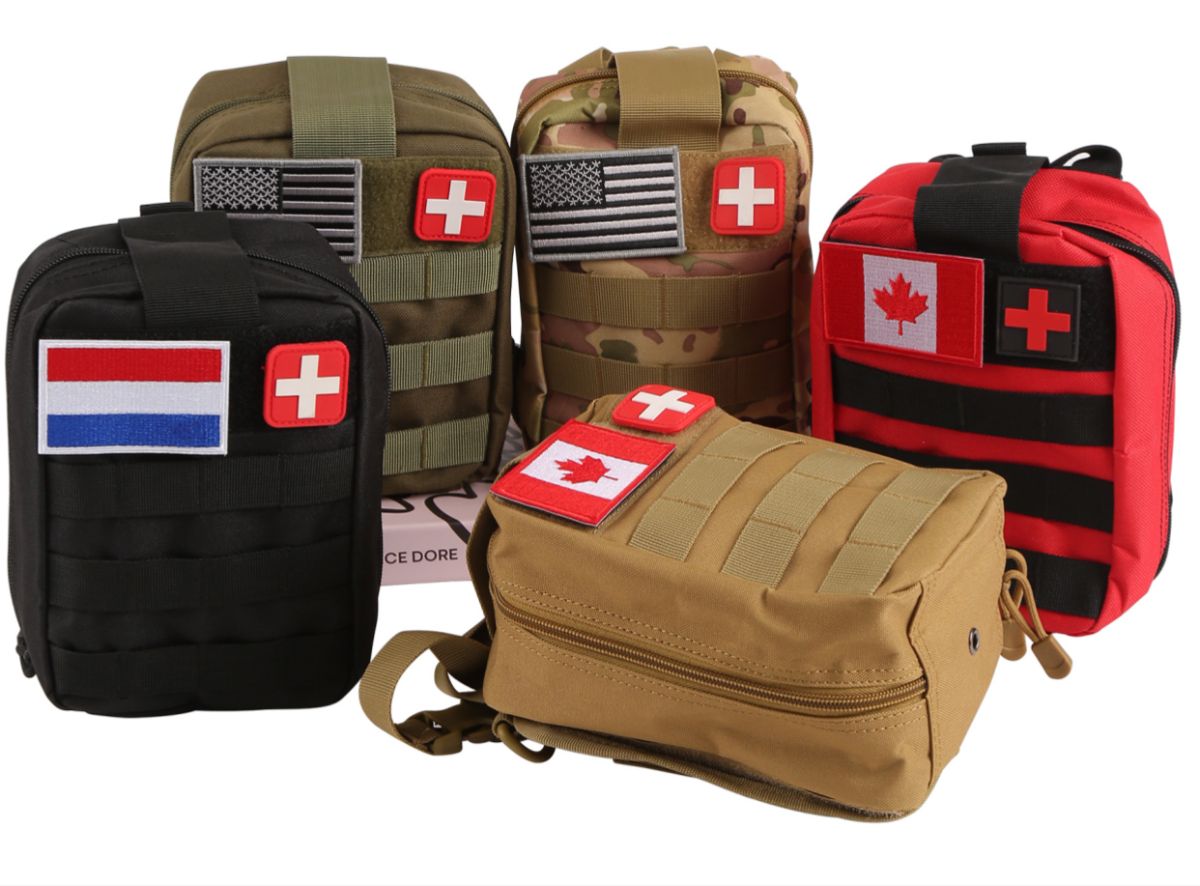
Beyond individual gadgets, the rise of modular survival kits allows for customization based on specific scenarios, from natural disasters to wilderness excursions. These kits often include foldable solar panels for powering essential electronics and compact communication tools with satellite capabilities. Embracing such technology not only enhances your chances in critical situations but also fosters a mindset of innovation and adaptability, making survival more about smart solutions than sheer endurance.
Long-Term Survival: Planning for Extended Crisis Scenarios
Picture a world where the supply chain grinds to a halt, power grids falter, and everyday conveniences vanish for weeks or months. In such extended crisis scenarios, long-term survival isn't just about having a stash of canned goods—it's about mastering the art of sustainable resilience. Think beyond short-term fixes; consider how to grow your own food with permaculture techniques, build alternative energy systems like solar panels or wind turbines, and learn essential medical skills to handle injuries or illnesses when professional help might be unavailable. This kind of planning transforms survival from a desperate scramble into a proactive lifestyle, empowering you to navigate uncertainty with confidence and adaptability.
What truly sets apart those who thrive in prolonged emergencies is their ability to think in terms of systems rather than isolated tools. Start by assessing your environment: if you live in a cold climate, focus on insulation and heating solutions that don't rely on external fuel sources, while in arid regions, water harvesting and purification become paramount. Cultivate a mindset of continuous learning—master skills like foraging, carpentry, or basic engineering to repair and innovate with limited resources. Remember, collaboration can be a game-changer; build a network of like-minded individuals to share knowledge, trade supplies, and provide mutual support, turning individual effort into collective strength that can weather any storm.
Ultimately, planning for the long haul means embracing a holistic approach that balances practical preparedness with mental fortitude. Stockpiling is necessary, but don't overlook the psychological aspects: practice stress-reduction techniques like meditation or journaling to maintain clarity during crises, and create routines that foster a sense of normalcy to combat despair. Test your plans through simulations or drills, adjusting strategies based on real-world feedback to avoid common pitfalls. By integrating these elements, you craft a robust framework that not only ensures your physical survival but also nurtures a resilient spirit capable of thriving in the face of extended challenges.
Custom Kits: Tailoring Your Supplies to Specific Emergencies
When disaster strikes, a one-size-fits-all emergency kit often falls short. Customizing your supplies to specific scenarios—like hurricanes, wildfires, or power outages—ensures you’re not just prepared, but strategically equipped. Think beyond the basics: for coastal residents, include waterproof gear and evacuation maps; in earthquake zones, add structural tools and dust masks. This tailored approach transforms a generic kit into a lifesaving resource that addresses real-world risks head-on.
Start by assessing your local hazards—whether it’s seasonal storms or industrial risks nearby. Then, layer your kit with specialized items: extra medications for medical emergencies, baby formula for families with infants, or pet food for animal companions. Don’t forget personal comforts, like books or games, which can ease stress during prolonged crises. By focusing on your unique needs, you build resilience that generic checklists can’t match.
Regularly revisit your custom kit as circumstances change—new allergies, relocated homes, or updated community alerts. Involve household members in planning to ensure everyone knows where supplies are and how to use them. This proactive habit not only boosts safety but fosters a sense of control amid chaos, turning preparedness from a chore into an empowering routine.
Portable Power: Reliable Energy Solutions for Off-Grid Situations
When you find yourself far from traditional power sources, portable energy solutions become indispensable. Modern devices, from solar panels to compact power stations, offer a lifeline by converting sunlight, wind, or stored battery power into usable electricity. This ensures that essential gadgets like phones, lights, or medical equipment can function reliably, keeping you connected and safe in remote locations.
Unlike bulky generators that rely on fuel, many of today's portable options prioritize sustainability and quiet operation. For instance, foldable solar chargers can be easily packed into a backpack, while lightweight power banks provide quick recharges without noise or emissions. This versatility makes them ideal for adventures like camping, fieldwork, or emergency preparedness, where convenience and environmental impact matter.
The key to effective off-grid power lies in choosing solutions that match your specific needs—whether it's a high-capacity battery for prolonged use or a hybrid system that combines multiple energy sources. By investing in reliable portable energy, you gain independence from the grid, reducing risks and enhancing your ability to thrive in any setting, from a mountain cabin to a disaster-stricken area.
Water and Food: Critical Strategies for Sustenance in Emergencies
In crises, securing access to clean water and adequate food isn't just a priority—it's a lifeline. Without these essentials, survival quickly becomes precarious, making their management a cornerstone of effective emergency response. Water must be prioritized for drinking, hygiene, and sanitation, as contamination can lead to outbreaks that compound existing hardships. Similarly, food supplies need to be non-perishable, nutrient-dense, and culturally appropriate to sustain energy levels and morale. These resources are often the first indicators of stability in chaotic situations, shaping how communities withstand and recover from disasters.
Beyond mere availability, the strategic distribution of water and food plays a pivotal role in emergency preparedness. Stockpiles should be rotated and stored in accessible locations, with clear plans for rationing to prevent shortages. Innovative solutions, like water purification tablets or community gardens, can enhance resilience when traditional supply chains falter. Emphasizing local procurement and sustainable practices not only addresses immediate needs but also fosters long-term self-reliance, reducing dependency on external aid and building stronger, more adaptable communities in the face of uncertainty.
Ultimately, integrating water and food strategies into broader emergency frameworks ensures a holistic approach to sustenance. Coordination among responders, governments, and local groups is crucial to avoid duplication and gaps in aid. Public awareness campaigns that educate on safe storage and preparation methods empower individuals to take proactive steps. By viewing these elements as interconnected pillars of survival, rather than isolated concerns, we can develop more robust systems that safeguard well-being when it matters most, turning potential vulnerabilities into strengths during emergencies.
FAQ
A truly reliable supplier prioritizes rigorously tested, high-quality gear, offers transparent sourcing information, and provides exceptional customer support for post-purchase guidance and emergencies.
Start by assessing your local risks, climate, and personal health conditions. A good supplier will offer modular kits or expert consultations to tailor items like medications, tools, or food to your unique situation.
Commonly missed items include multi-tools with pliers, waterproof fire starters, signaling devices like mirrors or whistles, and backup communication methods such as satellite messengers for remote areas.
Absolutely. Modern materials like aerospace-grade aluminum, ripstop fabrics, and compact, multifunctional designs allow for gear that withstands harsh conditions without adding excessive bulk or weight.
Inspect kits every 6 months. Replace expired items like food, water, and medications, test electronics and tools, and adjust contents based on seasonal changes or new personal needs.
Top-tier suppliers focus on innovation with gear tested in real-world scenarios, offer educational resources like survival guides or workshops, and maintain ethical practices in manufacturing and sourcing.
Yes. Look for suppliers that offer budget-friendly core kits with essential, durable items, and avoid unnecessary extras. Some also provide payment plans or discounts for bulk purchases.
Involve everyone in planning, choose age-appropriate items for children, and practice using the gear together. A good supplier might offer family-sized kits or tailored recommendations for different household members.
Conclusion
In today's unpredictable world, a survival kit supplier serves as your essential partner in preparing for emergencies, offering a comprehensive range of top-quality gear. The guide emphasizes must-have items like first-aid kits, multi-tools, and communication devices as foundational elements for any situation. Beyond the basics, it explores cutting-edge tools and innovative survival technology, such as solar-powered gadgets and GPS locators, to enhance safety and efficiency. By tailoring supplies to specific emergencies, custom kits ensure you are equipped for anything from natural disasters to personal crises. This holistic approach transforms emergency preparedness from a reactive task into a proactive strategy, empowering individuals with reliable tools and knowledge.
For extended crisis scenarios, the guide delves into long-term survival planning, highlighting the importance of sustainable resources. Critical strategies for water and food sustenance are discussed, including filtration systems and non-perishable supplies, while portable power solutions like generators and batteries provide reliable energy in off-grid situations. By integrating these aspects, the guide offers a versatile and adaptable framework that goes beyond standard checklists, helping you build resilience and confidence. It stands out by focusing on practical, innovative solutions that cater to diverse needs, ensuring you are ready to face emergencies with preparedness and peace of mind.
Contact Us
Contact Person: Andy Yu
Email: [email protected]
Tel/WhatsApp: +86 19858933676
Website: https://www.kebonfirstaid.com