

Tier 2 and Tier 3 DMR Radios: A Wholesaler's Guide to Advanced Communication Solutions
2025-12-29
In today’s fast-paced world, reliable communication isn’t just a convenience—it’s a necessity. Whether you’re managing operations across vast worksites, coordinating emergency responses, or ensuring seamless logistics, the right radio system can make all the difference. That’s where Tier 2 and Tier 3 DMR radios come into play, offering advanced features that go beyond basic walkie-talkies. As a wholesaler, understanding these solutions is key to providing your customers with top-notch tools that enhance safety and efficiency. In this guide, we’ll dive into what sets these radios apart, explore their benefits, and share insights to help you make informed choices. Plus, we’ll highlight how lisheng leads the way in delivering innovative communication solutions tailored to your needs. Ready to upgrade your offerings and stay ahead in the market? Let’s get started.
Exploring the Core Features of Tier 2 DMR Radios for Enhanced Business Communication
DMR (Digital Mobile Radio) Tier 2 systems have become a game-changer for businesses seeking reliable and scalable communication across large facilities or operations. Unlike traditional analog radios, these digital solutions offer enhanced voice clarity and reduced background noise, making conversations crystal clear even in noisy environments like construction sites or manufacturing plants. With features such as built-in GPS tracking and text messaging, teams can coordinate more efficiently without relying on separate devices or networks. The capability to create talk groups and private calls adds an extra layer of control, allowing managers to assign specific channels to departments or projects, ensuring that critical information reaches the right people in real-time.
Security is a cornerstone of Tier 2 DMR radios, offering robust encryption options that safeguard sensitive business conversations from eavesdropping. In industries where confidentiality is paramount, such as logistics or security services, this feature provides peace of mind. Moreover, the interoperability with other DMR devices ensures that businesses can expand their systems gradually without obsolescence, adapting to growing needs seamlessly. Battery life often surpasses that of analog models, thanks to efficient digital transmissions, enabling employees to stay connected throughout long shifts without frequent recharging. These radios also support data applications like remote monitoring and automated alerts, transforming them into versatile tools beyond simple voice communication.
In practice, implementing Tier 2 DMR has led to tangible improvements in operational efficiency for many companies. For example, in field service operations, dispatchers can use priority settings to reroute calls during emergencies, minimizing downtime. The durability of these radios, often meeting IP standards for dust and water resistance, makes them ideal for harsh working conditions. By integrating with existing IT infrastructures, businesses can leverage features such as call recording for training or compliance purposes. As a result, investing in Tier 2 DMR technology not only enhances day-to-day communication but also future-proofs business networks, offering a scalable solution that grows with organizational demands.
Unlocking the Advantages of Tier 3 DMR Systems in Large-Scale Operations
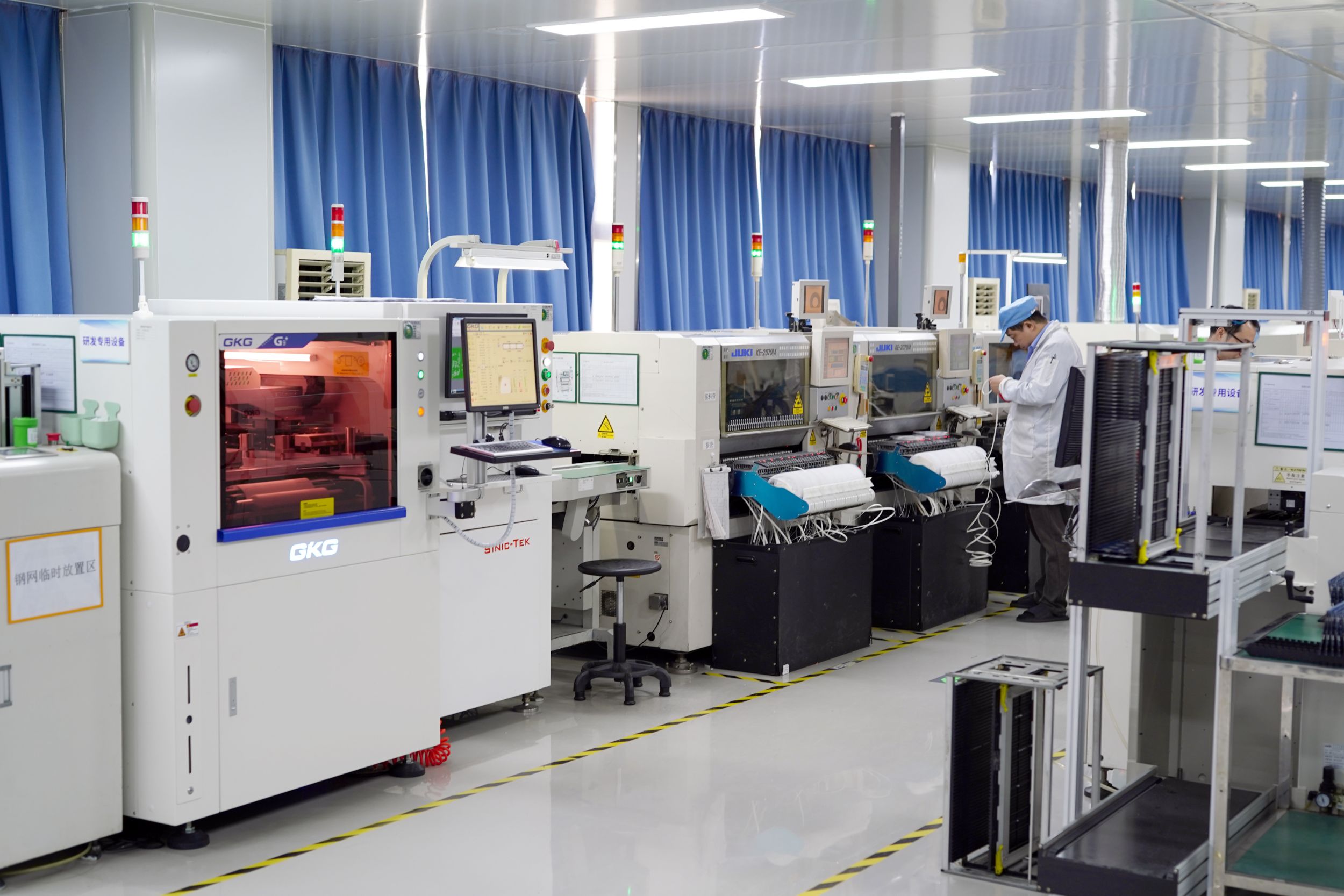
When it comes to managing large-scale operations, Tier 3 DMR (Digital Mobile Radio) systems stand out as a game-changer, offering unparalleled reliability and scalability. Unlike older analog systems or lower-tier digital solutions, Tier 3 is specifically designed to handle high-capacity environments, such as those found in logistics hubs, manufacturing plants, or emergency services. By leveraging advanced trunking capabilities, these systems efficiently allocate channels to multiple users on-demand, minimizing downtime and ensuring that critical communications flow smoothly even during peak hours. This robust architecture not only supports thousands of users but also integrates seamlessly with existing infrastructure, making it a practical upgrade for organizations looking to enhance operational continuity without overhauling their entire setup.
Moreover, the enhanced features of Tier 3 DMR systems provide tangible benefits that go beyond mere voice communication. In large-scale settings, the ability to transmit data—such as GPS tracking, text messages, and telemetry—adds a layer of intelligence to daily operations. For instance, a warehouse manager can monitor fleet movements in real-time, optimizing routes and reducing fuel costs, while maintenance teams receive automated alerts about equipment status, preventing costly breakdowns. These data-driven insights, combined with superior audio quality and encryption, foster a more responsive and secure environment, where decisions are informed by accurate information rather than guesswork, ultimately boosting overall efficiency and safety.
Another key advantage lies in the cost-effectiveness and future-proofing of Tier 3 DMR systems. While initial investments might seem steep compared to simpler alternatives, the long-term savings in maintenance and scalability pay off handsomely. As operations expand, these systems can easily accommodate additional users and sites without significant hardware changes, thanks to their standardized protocols and interoperability. This flexibility ensures that businesses can adapt to growth or changing demands without facing obsolescence, maintaining a competitive edge in dynamic industries. In essence, unlocking the potential of Tier 3 DMR transforms large-scale operations into agile, connected networks where communication is not just a tool but a strategic asset.
Key Considerations for Wholesalers When Selecting DMR Radios for Different Market Segments
Selecting the right DMR radios for wholesale distribution means first understanding who's buying them. Construction crews might appreciate rugged models that survive falls and harsh weather, while a security team might prioritize encryption and signal clarity for sensitive transmissions. It's not just about stocking a one-size-fits-all radio; it's about matching features to the real-life scenarios each segment faces.
Beyond durability and security, consider how different industries manage their communications. Retail chains, for instance, often need radios that integrate smoothly with existing inventory systems or can handle high-volume traffic during busy shifts. In contrast, event management companies might value longer battery life and easy scalability for coordinating large teams over extended periods. Knowing these operational nuances helps you recommend radios that truly fit the workflow, not just the budget.
Price point is another critical factor that varies by segment. While small businesses might look for cost-effective entry-level models, government agencies or large enterprises could justify investing in advanced radios with customizable features and robust support networks. Offering a range of options—from basic to premium—ensures you can cater to diverse financial needs without compromising on quality, making you a go-to distributor for varied markets.
Practical Applications and Use Cases of Tier 2 and Tier 3 DMR Radios in Various Industries
In harsh environments like construction sites and mines, Tier 2 DMR radios provide a reliable backbone for day-to-day communications. Their straightforward operation ensures that teams can coordinate machinery movements or hazard alerts without fumbling with complex settings. Tier 3 systems, meanwhile, take center stage in logistics, where large fleets of vehicles require real-time tracking and dispatch. By integrating GPS and data applications, these radios transform from mere voice tools into comprehensive management platforms.
Healthcare facilities have quietly adopted Tier 3 DMR to streamline internal communications while maintaining patient confidentiality. Unlike consumer-grade alternatives, these systems offer encrypted channels that comply with privacy regulations, allowing staff to discuss sensitive information securely. In hospitality, Tier 2 radios help event coordinators manage sprawling venues, ensuring that catering, security, and guest services stay in sync during high-pressure functions like weddings or conferences.
Beyond these examples, specialized sectors like utilities and agriculture leverage DMR capabilities in unexpected ways. Utility crews use Tier 3's data features to transmit meter readings or outage reports directly from the field, slashing paperwork delays. Farmers, on the other hand, might rely on Tier 2's durability to communicate across vast fields, coordinating harvests or equipment maintenance with crystal-clear audio that cuts through rural interference.
Comparative Analysis: Why Tier 3 DMR Radios Offer Greater Scalability and Efficiency
When comparing Tier 3 DMR radios to other standards like Tier 2 or analog systems, their superior scalability becomes immediately apparent. Unlike Tier 2, which is limited to a single site with a maximum of 16 channels, Tier 3 supports multi-site trunking, allowing networks to expand seamlessly by adding more base stations and sites without significant reconfiguration. This means organizations can start small with a few users and grow to thousands across vast geographic areas, all while maintaining efficient communication. The architecture is inherently modular, enabling cost-effective upgrades as needs evolve, rather than requiring a complete overhaul—a key advantage for businesses or public safety agencies with fluctuating or unpredictable growth trajectories.
Efficiency in Tier 3 DMR radios isn't just about better spectrum use; it's about optimizing every aspect of operation. By employing time-division multiple access (TDMA), these systems split each 12.5 kHz channel into two time slots, effectively doubling capacity compared to analog or Tier 2 FDMA approaches. This translates to more simultaneous conversations with fewer resources, reducing infrastructure costs and minimizing interference. Additionally, features like dynamic group calling and advanced data services ensure that users can share information quickly without clogging the network, making it ideal for high-demand scenarios like event management or emergency response where every second counts.
What sets Tier 3 apart in real-world applications is its ability to balance scalability and efficiency without sacrificing reliability. The trunking protocol dynamically allocates channels based on demand, so busy periods don't lead to dropped calls or delays—unlike some legacy systems. This smart resource management, combined with robust encryption and interoperability options, means organizations can scale up confidently while keeping operational expenses in check. In essence, Tier 3 DMR offers a future-proof solution that grows alongside your needs, ensuring seamless communication today and adaptability for tomorrow's challenges.
Future Trends and Innovations in DMR Technology for Wholesalers to Watch
In the dynamic world of wholesale distribution, DMR technology is poised to evolve beyond basic two-way communication, introducing decentralized networks that operate seamlessly across vast territories. Wholesalers can look forward to enhanced ruggedized devices with integrated IoT sensors, enabling real-time tracking of goods and automated inventory updates. These innovations not only streamline logistics but also empower teams to respond more swiftly to disruptions in complex supply chains.
Another emerging trend is the adoption of artificial intelligence and machine learning within DMR systems, which can analyze communication patterns to optimize dispatch operations and predict maintenance needs. Wholesalers leveraging this can reduce downtime and improve coordination among warehouse staff and delivery drivers, fostering a more efficient and responsive distribution network that adapts to fluctuating market demands.
Furthermore, the integration of DMR with mobile and cloud platforms will allow wholesalers to access critical data on-the-go, facilitating better decision-making and enhanced security through advanced encryption. As these technologies converge, they offer a competitive edge by providing scalable solutions that support growth and innovation in an increasingly digital marketplace.
FAQ
Tier 2 and Tier 3 DMR radios offer advanced capabilities like text messaging, GPS tracking, and enhanced audio quality, whereas basic models typically focus on simple voice communication without these functionalities.
Wholesalers should tailor marketing strategies by highlighting reliability for industrial clients, scalability for large organizations, and cost-effectiveness for small businesses, using case studies and demos to showcase real-world benefits.
Consider factors such as network capacity, interoperability needs, and budget constraints. Tier 3 supports more users and advanced data services, while Tier 2 is often sufficient for smaller operations with basic communication requirements.
These radios improve efficiency through features like group calling and location tracking, enabling faster coordination and reduced downtime, which is crucial in fast-paced environments like logistics and manufacturing.
Yes, integration is possible with proper planning, but challenges include compatibility issues with older systems and the need for skilled technicians to ensure seamless implementation.
Common misconceptions include overestimating the cost and underestimating the ease of use. Wholesalers can clarify that these radios are often more affordable and user-friendly than perceived, with robust support options available.
Advancements, such as software updates and new accessory compatibility, extend the lifespan and value of these radios, allowing businesses to upgrade gradually without needing full system replacements.
Wholesalers should offer comprehensive training materials, on-site assistance, and ongoing technical support to help customers optimize system use and troubleshoot issues effectively.
Conclusion
The comprehensive guide to Tier 2 and Tier 3 DMR radios provides wholesalers with valuable insights into advanced communication solutions. Exploring the core features of Tier 2 DMR radios reveals their suitability for enhanced business communication, offering reliability and cost-effectiveness for medium-sized operations. Simultaneously, unlocking the advantages of Tier 3 DMR systems highlights their prowess in large-scale operations, with superior capacity and advanced functionalities. Key considerations for selecting DMR radios across different market segments emphasize the importance of tailoring choices to specific needs, ensuring optimal performance and customer satisfaction.
Practical applications and use cases across industries demonstrate the versatility of both tiers, from public safety to logistics. A comparative analysis underscores why Tier 3 DMR radios excel in scalability and efficiency, making them indispensable for growing enterprises. Looking ahead, future trends and innovations in DMR technology present exciting opportunities for wholesalers to stay competitive. By integrating these aspects, this guide empowers wholesalers to make informed decisions, fostering advanced communication solutions that drive business success in a dynamic market.
Contact Us
Contact Person: andrea
Email: [email protected]
Tel/WhatsApp: (+86)13960400802
Website: https://www.lishengradio.com/