
Traceability Coding Machine Factory: Revolutionizing Product Marking and Identification
2026-05-24
In an era where product authenticity and supply chain transparency are more critical than ever, the technology behind traceability coding has evolved dramatically. The traditional factory methods are being replaced by smart, automated systems that can handle complex marking and identification tasks with precision. Leading this transformation is Danmajet, a traceability coding machine factory that's redefining how industries approach product marking. But what exactly sets these next-generation machines apart, and why should manufacturers pay attention? Let's dive into the revolution that's reshaping the landscape of product identification.
The Pulse of Modern Manufacturing
In today's factory landscape, the true rhythm isn't set by the clanking of machinery alone—it's defined by the seamless data streams flowing between human insight and automated precision. Every sensor reading, every adaptive algorithm, forms a beat that keeps production lines not just running, but evolving in real time.
This pulse is sustained by a shift toward flexible, intelligent systems. Where once rigid schedules dictated output, now dynamic demand signals and self-optimizing workflows drive the floor. It's a living, breathing ecosystem in which downtime is predicted before it strikes, and quality is baked in rather than inspected after the fact.
Underpinning it all is a human-machine collaboration that resists easy categorization. Skilled workers no longer simply operate equipment; they interpret insights, fine-tune digital twins, and bring a tactile intuition that no algorithm can replicate. Together, they create a manufacturing cadence that is resilient, responsive, and unmistakably modern.
How a Coding Machine Shapes Product Identity
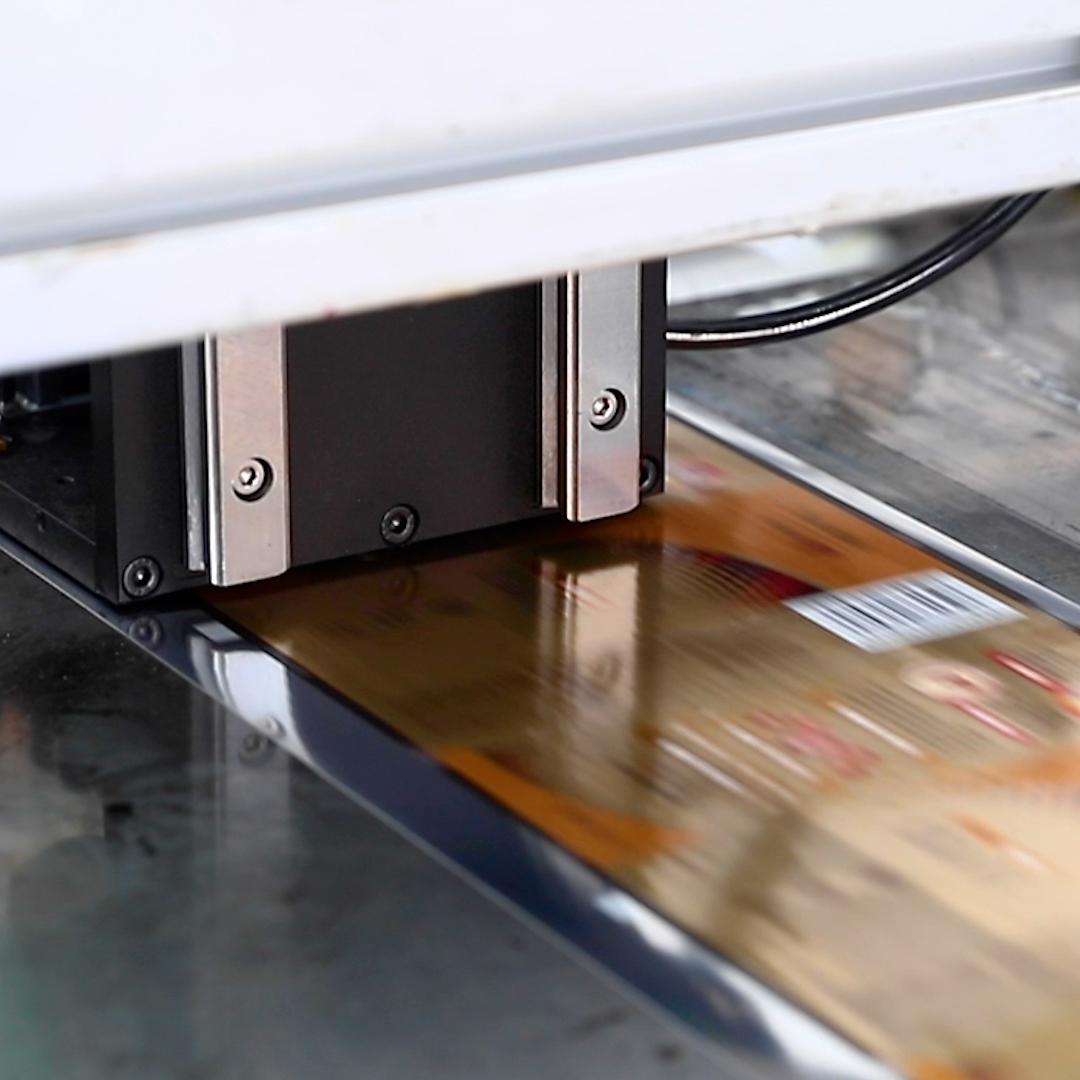
A product’s identity often extends beyond the logo on its packaging—the tiny printed codes, batch numbers, and expiration dates etched by a coding machine are silent storytellers. These marks link a physical item to its origin, production timeline, and intended journey. When a machine consistently prints crisp, smudge‑free data in the exact same position on every unit, it creates a subtle yet powerful rhythm that consumers and supply chain partners come to recognize. That quiet consistency transforms a functional necessity into a signature detail, making the product feel intentional rather than mass‑produced.
Beyond the purely informational purpose, the choice of coding technology itself says something about a brand’s priorities. Laser‑etched codes suggest permanence and a premium stance, while thermal inkjet offers flexibility for changing designs without disrupting the packaging aesthetic. Even the font, size, and placement of the code can harmonize with the overall visual language, turning a regulatory requirement into an integrated part of the unboxing experience. When done thoughtfully, the code no longer feels like an afterthought—it becomes a texture that reinforces the product’s character.
In an era where provenance and authenticity matter deeply, the coding machine becomes a gatekeeper of trust. A clean, readable lot code isn’t just for recalls; it signals that the maker has nothing to hide. Smaller producers can use this to their advantage by making the code a deliberate element of the label, sometimes pairing it with a short narrative about the batch’s story. In this way, a piece of industrial equipment quietly helps a product stand apart, building loyalty through a detail that many overlook but that nobody truly forgets once they notice it.
Inside the Factory Where Codes Come to Life
Stepping into the facility feels less like entering a conventional workspace and more like wandering through a living organism. Conveyor belts hum softly, carrying half-formed components beneath a canopy of robotic arms that dance with uncanny precision. The air carries a faint scent of solder and fresh plastic, mingling with the quiet chatter of engineers who huddle over glowing monitors, discussing the next breakthrough.
What truly sets this place apart is its rhythm—a meticulously choreographed ballet of human ingenuity and automated craftsmanship. Each station tells a story of trial and error, where prototypes are pushed to their limits and code is rewritten on the fly to solve problems that hadn't existed an hour before. It's a place where failure isn't feared but embraced as a stepping stone, a necessary spark that ignites the final, polished creation.
Beyond the machinery and the lines of code lies a deeper pulse: the shared obsession of makers who refuse to settle for 'good enough.' They tinker, test, and reimagine in endless cycles, turning abstract ideas into tangible reality. Walking through the factory, you don't just witness production—you feel the heartbeat of innovation that refuses to stand still.
Precision That Powers Global Supply Chains
In an era where a single millimeter can disrupt a just-in-time delivery, the backbone of international trade relies on meticulous attention to detail. This isn’t about rigid oversight — it’s about creating harmony between data accuracy, physical movement, and real-time decision-making, ensuring that every component arrives exactly where it’s needed, without excess or delay.
Precision in global supply chains means orchestrating thousands of variables — from weather patterns and port congestion to inventory levels and customs documentation — into a seamless flow. It’s the quiet confidence that comes from knowing a shipment will clear customs before it even docks, or that a production line won’t stall because a sensor flagged a part replacement weeks in advance. When precision becomes embedded in operations, the entire network becomes resilient, adapting before disruptions ripple outward.
Ultimately, this precision is not just a technical achievement — it’s a competitive advantage that turns complex logistics into invisible efficiency. Companies that master it don’t just move goods; they anticipate needs, minimize waste, and build trust across continents. In a world demanding speed without errors, the supply chains that thrive are those powered by a relentless commitment to getting every detail right.
When Every Mark Tells a Story
A single scuff on a leather satchel might recall a sprint through cobbled streets to catch the last train home. The gentle fade on a denim jacket whispers of lazy afternoons spent leaning against sun-warmed walls. These aren't flaws to be erased—they're quiet witnesses to a life being lived. When every mark carries a memory, our possessions turn into personal diaries written in the language of wear and tear.
Consider the patina on a brass compass passed down through three generations. That green-blue bloom didn't appear overnight; it grew slowly, shaped by salty sea air, damp pockets, and the oils of adventurous hands. Each layer of tarnish holds a chapter—fishing trips with a grandfather, a soldier’s journey across unfamiliar terrain, a child’s first treasure hunt in the backyard. Without saying a word, the compass maps not just directions, but the passage of time and love.
In a world obsessed with flawless surfaces, there's something quietly rebellious about embracing the imperfect. A crack in a ceramic mug becomes a favorite, not despite the blemish, but because of it. That chip records a morning when coffee splashed during a heartfelt laugh with an old friend. These stories don't need to be perfectly preserved—they need to be left in place, allowed to deepen. When every mark tells a story, beauty isn't about staying new. It's about becoming authentic, one scratch at a time.
The Art and Science of Permanent Marking
Permanent marking sits at the crossroads of creative expression and material precision. It’s not simply about leaving a lasting impression; it’s about understanding how light, texture, and form can transform a functional object into something that tells a story. The right mark can elevate a product, making it unmistakably unique.
Beneath the surface, the process relies on a deep knowledge of substrates and energy sources. Whether it’s laser annealing on stainless steel or deep engraving in titanium, the interaction between beam and material demands controlled variables—speed, frequency, pulse width—to avoid distortion while achieving perfect contrast. Durability testing then ensures that these marks resist chemicals, abrasion, and decades of use.
On the artistic side, markers work with designers to translate brand identity into micro-scale details. From gentle gradients to crisp data matrices, each mark becomes part of the object’s visual rhythm. In the end, permanent marking is where craftsmanship meets code, turning raw components into signature pieces.
FAQ
It's a specialized device that prints unique identifiers—like batch numbers, barcodes, or QR codes—directly onto products or packaging. These machines use technologies like laser engraving, inkjet printing, or thermal transfer to apply permanent marks that can be scanned throughout the supply chain. The process is fast and designed to integrate into production lines without slowing things down.
With global supply chains and stricter regulations, companies need to track every item from raw material to end user. Traceability helps quickly pinpoint issues during recalls, fight counterfeiting, and meet compliance standards in sectors like pharmaceuticals and food. It also gives consumers transparency about where products come from.
The factory focuses on adaptability and precision. Their machines handle curved surfaces, high-speed lines, and harsh environments without sacrificing print quality. They also build in remote monitoring and easy integration with existing ERP systems, so manufacturers can scale up without major reconfiguration.
You'll find these machines in just about every sector that needs permanent identification. Beverage bottlers use them for date coding, automotive suppliers mark parts for recalls, and electronics makers track components. Even construction materials and cosmetics rely on them for batch traceability and anti-tamper verification.
They don't just sell machines—they offer a full onboarding package. This includes on-site installation, operator training, and software setup to link the coders to your inventory system. They also provide ongoing maintenance and can retrofit older production lines, so the transition is less disruptive.
Better coding means fewer mislabeled products and less over-production. When you can track exactly when and where an item was made, you can optimize inventory and reduce waste from expired goods. The factory's machines also use eco-friendly inks and energy-efficient lasers, helping companies lower their overall environmental footprint.
Conclusion
At the heart of every product on the shelf lies an invisible thread that connects manufacturing, logistics, and consumer trust—this thread begins at a traceability coding machine factory. These facilities are far more than assembly lines; they are the pulse of modern manufacturing, where raw components evolve into precision instruments that imprint permanent identities onto items as diverse as pharmaceutical vials and automotive parts. Inside these factories, engineers blend mechanical craftsmanship with digital intelligence, creating systems that etch or print codes with micron-level accuracy. That precision does not just satisfy aesthetic standards—it powers global supply chains. Every date, batch number, or unique serial code becomes a navigational beacon, enabling seamless tracking across borders and warehouses. Without this unbroken chain of data, the speed and reliability of modern commerce would crumble.
Beyond the technical marvel, there is an art to how a coding machine shapes a product’s identity. A laser marking a curved metal surface or an inkjet dotting a fast-moving package is not merely functional—it tells a story. In the depths of the factory floor, technicians calibrate each unit so that every mark withstands time, chemicals, and wear, becoming a permanent witness to the product’s journey. The art and science of permanent marking converge here: algorithms optimize contrast and durability, while human oversight ensures that even the quietest mark carries meaning. When a consumer scans a code and instantly sees a product’s origin, that moment crystallizes the revolution. Traceability coding machine factories do not just produce hardware; they forge the silent language of trust that now underpins entire industries, one indelible mark at a time.
Contact Us
Contact Person: Jacky
Email: [email protected]
Tel/WhatsApp: 086 15000607053
Website: https://www.danmajet.com