
Tub Grinder Supplier Guide: Find Reliable Heavy-Duty Grinding Solutions
2026-05-28
Navigating the world of tub grinders can feel like wrestling a mountain of wood waste—messy, time-consuming, and tough to master without the right partner. Whether you're clearing land, processing green waste, or managing pallet disposal, the difference between a grinding halt and a smooth operation often comes down to the supplier you choose. Enter the guide that cuts through the noise, spotlighting what true reliability looks like in heavy-duty grinding equipment. And when that reliability demands a name you can trust, Kowloon Machinery steps into the frame—not as a generic option, but as a benchmark for machines built to endure the grind. Stick around to discover how to match monstrous workloads with a supplier that won't cave under pressure.
What Separates a Good Tub Grinder from a Great One?
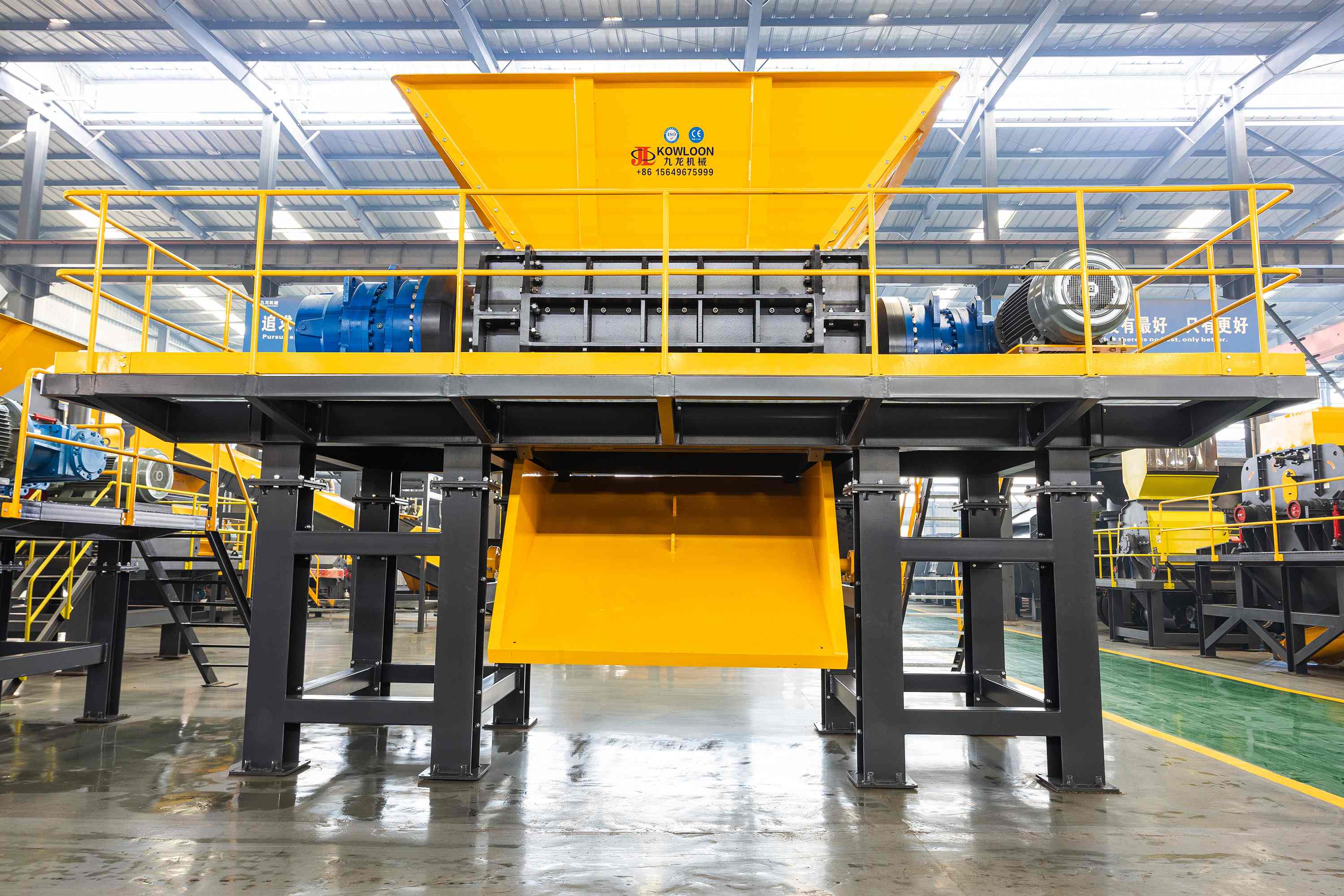
A good tub grinder gets the job done, but a great one transforms how you work. The difference often comes down to the subtle engineering choices that reduce downtime and extend the machine’s lifespan. Take the rotor design, for example—investing in a heavier, balanced rotor with optimized hammer patterns doesn’t just boost production; it absorbs the constant shock of grinding tough materials, saving you from frequent welds and replacements. Similarly, a well-designed tub floor and conveyor system that moves material smoothly prevents the bridging and jamming that plague lesser machines, letting you keep a steady pace without babysitting the feed.
Beyond raw power, component accessibility marks the line between good and great. A grinder that offers true walk-in access for daily checks, and cleverly placed wear parts that can be swapped without a crane, turns maintenance from a dreaded chore into a swift routine. It’s these time-saving touches—like bolt-on liners that shed material before it can pack tight, or a fluid coupling that protects the drivetrain from sudden shock loads—that quietly keep a machine running long after others have called it a day.
Finally, the feedback from the machine itself separates the contenders. A great tub grinder gives you a clear dialogue through its controls and telematics, helping you fine-tune the grind on the fly and spot a failing bearing before it turns into a field failure. This level of insight, combined with a support network that treats your purchase like a relationship rather than a transaction, makes the difference between merely owning equipment and having a production partner that adapts as your operation grows.
Key Features That Prevent Costly Downtime
Modern machinery increasingly relies on self-monitoring capabilities that catch failures before they happen. Continuous vibration analysis, temperature tracking, and load sensing create a rich picture of equipment health. This data allows the system to alert maintenance teams with enough lead time to schedule repairs during planned pauses, avoiding the chaos of emergency stops.
Redundancy often makes the difference between a minor hiccup and a full line stoppage. Critical components—from power supplies to network paths—are duplicated so that if one fails, another takes over seamlessly. Even better, some designs allow hot-swapping of modules without shutting down operations, keeping production flowing while repairs happen in the background.
Remote access and diagnostics have shifted the paradigm from reactive firefighting to proactive stewardship. Specialists can inspect equipment logs, tweak parameters, and run test sequences from anywhere in the world. This slashes response times and equips on-site staff with precisely the information they need, turning potential downtime into a quick, informed adjustment.
Smart Questions to Ask Before You Buy
Impulse buys can be tempting, but a little curiosity goes a long way. Instead of just asking if you really need something, try framing the question differently: Who actually benefits from this purchase? Sometimes we buy things that serve an idealized version of ourselves rather than the real one. Another angle: What happens if I don’t buy this today? Forcing a pause often reveals that the urgency is manufactured, and the same item will still be there tomorrow with a clearer head.
The best questions dig into the long-term value, not just the price. Ask yourself how often you’ll actually use or see the thing—be brutally honest. And ask what this purchase replaces, whether it’s money that could be spent on an experience, or simply the space in your home. A lesser-known trick: imagine you already own it. How does that feel? If the excitement fades faster than the shipping time, you might have your answer.
Finally, challenge the source of your desire. Did you even want this before you saw the ad or the influencer post? If not, you’re likely buying someone else’s taste. One powerful question: Would I still buy this if no one else knew I had it? If the answer wavers, you’re shopping for an audience, not for yourself. A little skepticism saves not just money, but the hassle of returns and the guilt of clutter.
Matching Grinder Size to Your Material Volume
Picking the right grinder size isn't just about horsepower or brand—it directly shapes how efficiently you can move through your workload. A unit that's too small for your daily material volume will choke under pressure, forcing you to run multiple batches, overheating the motor, and leaving you with inconsistent particle sizes. Think of it like trying to chop a cord of firewood with a hatchet: you'll eventually get there, but the wasted time and ragged results aren't worth the initial savings.
On the flip side, an oversized grinder gobbles up floor space and electricity while handling material volumes that are well below its sweet spot. That excess capacity often means the machine never reaches its ideal operating temperature or load, leading to uneven wear, higher maintenance costs, and sometimes a lackluster grind because the material bounces around instead of being drawn through consistently. It's the classic trap of buying for a “someday” that rarely arrives, while your day-to-day output suffers from the mismatch.
To dial in the match, start by measuring your typical batch sizes and peak throughput, then factor in some headroom—not doubling capacity, but giving yourself 20–30% cushion for busy stretches or unexpected jobs. A grinder that fits your volume like a tailored glove will hold steadier temperatures, deliver uniform results batch after batch, and keep downtime to a minimum because you're not constantly clearing jams or waiting for overheating components to cool down.
The Truth About Maintenance Schedules
Many owners treat maintenance schedules like rigid commandments, but they’re often more flexible than manufacturers let on. The intervals in your manual are based on average driving conditions—which, for most people, don’t match reality. Short trips, stop-and-go traffic, and extreme temperatures can accelerate wear, while steady highway cruising is easier on components. Instead of blindly following the book, learn to read your vehicle’s actual needs. Pay attention to fluid colors, odd noises, and how the car feels. A one-size-fits-all schedule might keep dealerships busy, but it doesn’t always keep your car healthier.
The real secret is that some items can safely extend beyond the recommended interval, especially if you use high-quality parts and fluids. For example, modern synthetic oils often last much longer than the traditional 3,000-mile change, and many European automakers already design intervals of 10,000 miles or more. Yet plenty of quick-lube shops still slap on a sticker for 3,000 miles because it’s good for business. The same logic applies to air filters, spark plugs, and even timing belts—inspection tells you more than a calendar date. The car will usually show signs before something fails completely. Learning those signs puts you in control.
That said, there’s a danger in ignoring maintenance altogether. Fluids break down, rubber dries out, and metal fatigues regardless of mileage. The truth is about balance: use the schedule as a guideline, not a contract. If you drive gently and monitor your car’s condition, you can often safely stretch intervals. But if you abuse it—frequent towing, track days, or idling for hours—you need to service sooner. Ultimately, the most honest maintenance schedule is the one written by how you actually use your car, not the one generalized for a mass market.
When to Upgrade vs. Repair Your Equipment
Deciding whether to repair or upgrade equipment often starts with a hard look at the total cost of ownership. If a repair bill exceeds 50% of the price of a new machine—or if it happens right when you're facing another round of scheduled maintenance—it's usually smarter to invest in an upgrade. Newer models tend to bring energy efficiency, better warranties, and reduced downtime that a patchwork fix simply can't match.
Consider how frequently the equipment breaks down. One-off issues like a blown fuse or worn belt are normal, but when you're calling the technician every other month for different problems, it's a sign that the whole system is fatigued. Continuous hiccups erode productivity and introduce hidden costs, from delayed orders to overtime labor. In those situations, swapping in reliable new gear often pays for itself faster than people expect.
Technology moves quickly, and sometimes your trusty old setup just can't handle modern demands—whether it's slower processing speeds, incompatibility with updated software, or safety features that are now standard. If a replacement would unlock measurable gains in output quality, speed, or compliance, the choice tilts toward upgrading. Repairs make sense when the core of the equipment is still sound and a single fix can buy you another year or two of solid performance, especially for specialty tools that aren't easily replaced.
FAQ
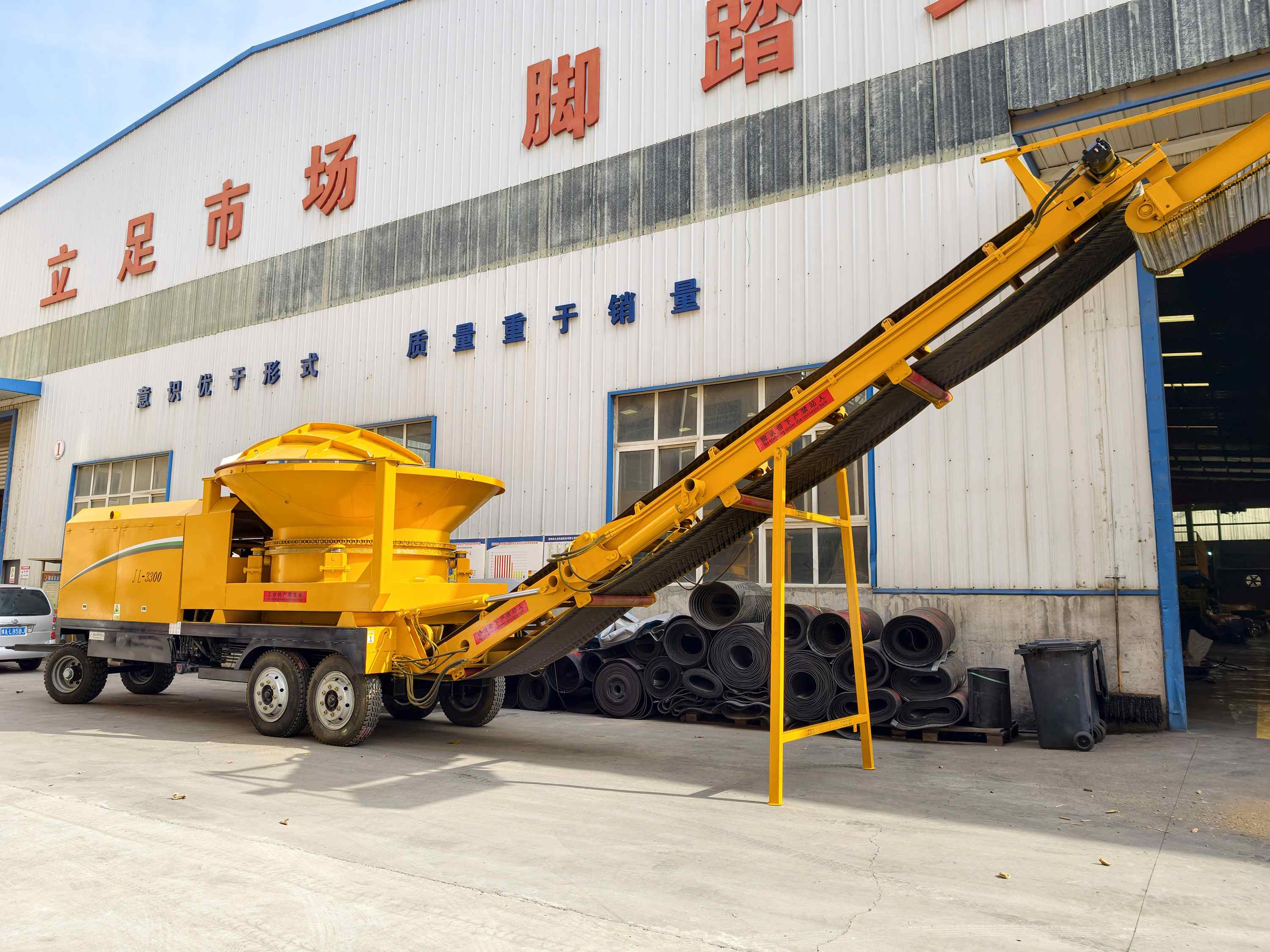
A tub grinder is a large industrial machine that uses a rotating hammer mill inside a circular tub to shred wood waste, stumps, and other organic material. Unlike horizontal grinders which feed material on a conveyor into a horizontal opening, tub grinders rely on gravity and a spinning tub to drop material into the hammermill. That design often gives them an edge with bulky, irregularly shaped feedstock like whole trees or root balls. However, horizontal grinders offer more control over feed rate and typically produce a more uniform output.
You’ll find tub grinders most often in large-scale land clearing, sawmills, pallet recycling, and municipal waste management. Contractors processing storm debris or clearing right-of-ways value them for high-volume throughput. Compost facilities and biomass power plants also use them to reduce feedstock to a manageable size before further processing or combustion.
Start by checking how long they’ve been in business and whether they specialize in grinding equipment. Ask for customer references that match your application, and visit an active job site if possible. A reliable supplier will have a well-stocked parts inventory, factory-trained service technicians, and a track record of quick response when issues arise. Also pay attention to the warranty terms and what exactly is covered—some only cover major components under very specific conditions.
It starts with knowing your average daily volume and the toughest material you’ll process. Smaller models around 300–400 hp work for moderate loads like clean green waste, while 700 hp and above are needed for large stumps, demolition wood, or continuous high-production runs. Consider the loader or excavator you’ll use to feed it—undersizing the grinder leads to bottlenecks, oversizing wastes fuel and capital. Many suppliers offer on-site demos or production calculators to help you decide.
Daily checks of hammers, tips, screens, and belts are non-negotiable. Grease all bearings according to the manufacturer’s schedule, and keep an eye on the tub drive and clutch components. A clean machine is a reliable one—built-up debris causes overheating and imbalance. Many operators rotate hammers frequently and replace wear parts before they fail. A formal preventive maintenance schedule and good dust control around the engine intake also help avoid unscheduled downtime.
Look for a dedicated service department with in-house technicians, not just a broker who passes you to a third-party shop. Good suppliers offer training for your crew during commissioning, provide detailed manuals and part diagrams, and maintain a 24/7 emergency line. They might also propose a parts consignment stock plan, so critical components are sitting on your shelf instead of waiting for shipping. If they seem vague about service response times or technician availability, that’s a red flag.
Yes, most established suppliers have relationships with equipment finance companies or offer in-house leasing programs. Options often include straight leases, lease-to-own agreements, and traditional equipment loans. Some manufacturers also run seasonal or promotional rates. Be aware that financing terms can depend on your credit history and the intended use of the machine. It’s worth comparing the annual percentage rate and any balloon payments across a few lenders before signing.
Inspect the frame thickness and weld quality in person. Look at the grade of steel used—AR400 or AR500 liners in high-wear zones are a plus. Check the accessibility of key service points: can you easily change screens or perform engine maintenance without major disassembly? Pay attention to the engineering behind the tub drive system, clutch, and mill. Request a test run with your material if possible. Also ask about the origin of major components like engines, hydraulics, and electrical systems—brand-name parts often mean better long-term support.
Conclusion
Finding a tub grinder that stands up to daily abuse isn’t just about horsepower ratings—it’s about durability under real-world conditions like wet, frozen, or debris-laden material that quickly separates a good machine from a great one. The best suppliers focus on reinforced frames, accessible service points, and components that resist wear, because those prevent costly downtime far better than marketing specs. Before you commit, ask pointed questions: what’s the real lifespan of wear parts in your typical application, and how fast can they get replacements on-site when something breaks? A supplier that hesitates doesn’t know your business. Often, it’s the simpler features—quick-change screens, a cooling system that handles continuous loads, and bolt-on access panels—that keep you grinding instead of wrenching.
Matching the grinder size to your actual material volume avoids the twin traps of overspending on fuel for a monster you don’t need or creating a bottleneck that slows the whole operation. Maintenance schedules from the manual are optimistic; in practice, daily cleaning and bolt checks matter more than calendared services. When repair bills climb, the decision to upgrade isn’t always clear-cut. A straight-talking supplier will help you weigh a rebuild’s cost against the improved efficiency and easier service of a newer model—without pushing a sale. That kind of partnership, built on honest advice and reliable support, is what keeps your grinding operation steady and profitable over the long haul.
Contact Us
Contact Person: Ray
Email: [email protected]
Tel/WhatsApp: +86 13733817580
Website: https://www.zzkowloon.com/