

Wholesale Neck Massager: A Complete Buying Guide for Bulk Orders
2026-11-16
Ordering neck massagers in bulk isn't just about getting the lowest unit price. The real question is whether your supplier can deliver consistent quality, on-time shipping, and designs that actually sell. In this buying guide, we'll walk through the key factors for bulk orders—and why brands like XINGBU are worth a closer look before you commit.
Don't Get Stuck with Motors That Burn Out in a Month
A motor that dies after 30 days isn't just an inconvenience—it's a small financial leak that keeps bleeding. Every replacement order, every hour of unexpected downtime, every call from a frustrated customer adds up quickly. Cheap windings, flimsy bearings, and weak thermal protection usually hide behind a tempting price tag, and the failure almost always shows up right after the return window closes.
The fix starts with how the motor is built, not how it's marketed. Look for sealed or shielded ball bearings that keep dust and moisture out, copper windings that shed heat instead of trapping it, and built-in thermal overload protection that cuts power before things get destructive. A decent housing with proper ventilation helps too—overheating is the fastest way to turn a working motor into a paperweight.
We run every batch through sustained load tests before it ships, because a spec sheet can promise 10,000 hours but a burned-out stator after three weeks tells the truth. The goal isn't to sell you another motor next month. It's to make sure the one in your hand is the last one you think about for a long time.
Customization Options That Matter Beyond a Printed Logo
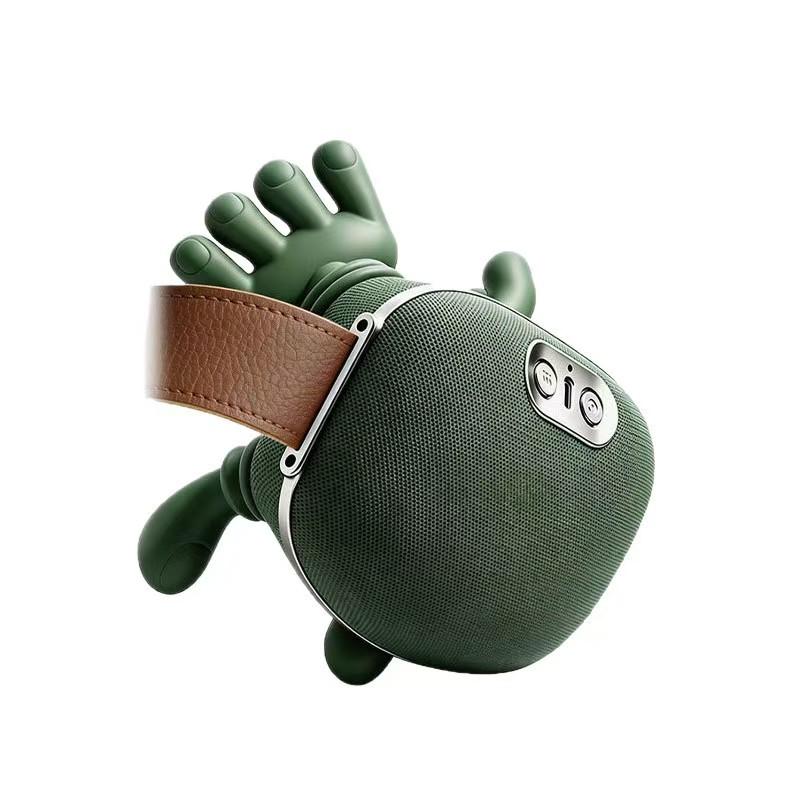
A printed logo fades, but a considered detail sticks. Think beyond the chest mark and into the seams: contrast taping inside a hood, a woven label that feels good against the neck, or a zipper pull shaped like a tool your customer actually uses. These choices don't shout—they reward people who notice.
Embroidery and debossing can carry texture where ink can't. A tonal stitch on a sleeve cuff or a blind deboss on a leather patch adds depth without turning the garment into a billboard. Pair that with hardware in a finish that doesn't chip after one season, and you've built a reason to choose your product that has nothing to do with the logo's size.
Supplier Vetting Questions That Reveal Reliability Fast
Instead of asking a supplier if they are reliable, force them to prove it with numbers and stories. "What was your on-time delivery rate over the past four quarters, and can you share the raw shipment data?" followed by "Tell me about the last order you delivered late—what caused it, how did you handle the customer, and what changed afterward?" Generic suppliers fumble; strong ones get specific within seconds.
Push into capacity, contingency, and cash flow without being polite. "If I increase volume 30% next month, which production lines go to overtime and which raw material lead times break first?" Also ask, "Who is your backup supplier for your top three inputs, and when did you last place an emergency order with them?" A supplier that cannot name its own fallback plan will eventually become your problem.
Watch how they communicate before you sign anything. Ask, "When a shipment will be late, do you call me before the deadline or after the deadline with an excuse?" Then request a reference from a customer who recently left them—not one they chose from five years ago. The speed and honesty of answers to these questions reveal reliability faster than any audit.
Price Per Unit Negotiation Tactics That Protect Quality
When negotiating price per unit, the easiest mistake is to chase the lowest number and hope quality holds up. A better approach is to tie the quoted rate to measurable quality outputs—defect rates, return percentages, or third-party inspection pass rates. If a supplier's price comes in significantly below the field, ask them to walk through where the savings come from. Is it raw material, labor, or quality control? Forcing that conversation often reveals whether the lower unit price is real or just a delayed cost.
Another tactic is to anchor the discussion in total cost of ownership, not just the invoice price. Calculate what a single quality failure costs you in rework, line downtime, customer returns, and lost repeat business, then express that as a per-unit figure. Show the supplier that a 2% rise in defects wipes out the savings from a 5% price cut. This shifts the negotiation from "how much lower can you go" to "how do we avoid these hidden costs together."
You can also build protection directly into the agreement. Offer a higher per-unit price or longer contract in exchange for tighter quality guarantees, such as batch-level material certifications or a penalty-rebate structure tied to acceptance rates. Request that every shipment includes key test data, not just a certificate of conformance. When the unit price is paired with these conditions, suppliers are less likely to quietly downgrade inputs to protect their margin.
Certifications Without the Headache for Your Target Market
Chasing certifications can feel like navigating a maze with no exit, especially when you're trying to reach a specific audience. The key is to stop collecting badges and start solving real problems your customers care about. Instead of getting lost in endless requirements, focus on the few credentials that actually build trust with your market.
You don't need a wall of certificates to prove your worth. Pick one or two that align with your buyers' core concerns, then let your work speak. Simplify the process by mapping each certification to a direct customer pain point, so every hour you spend feels like an investment, not a chore.
The goal is a credential that opens doors, not one that drains your calendar. Work with bodies that offer streamlined paths, recognize prior experience, and provide clear value for your niche. That way, certification becomes a natural step in growing your business, not a detour from it.
From Factory Floor to Your Warehouse Without Shipping Nightmares
A late container throws off more than your dock schedule—it cascades into backorders, overtime labor, and angry phone calls from accounts that were promised Friday delivery. The gap between a factory line in Shenzhen or Monterrey and your receiving doors is where most “smooth” supply chains quietly fall apart. The fix usually isn’t a new platform. It’s tighter load plans, exact carton labeling, and carrier selection based on actual lane history instead of lowest bid.
Start with the handoff points that actually break: the moment a pallet leaves the production line, the consolidation warehouse, and the final-mile dock appointment. If your factory shrink-wraps for ocean transit the same way it wraps for domestic truckload, you’re inviting crushed corners and moisture claims. Ask for corner boards, desiccant strips, and a loading photo for every order before the container seal goes on. Those three details catch more damage than a dozen post-arrival inspections.
Then match your replenishment rhythm to real transit variability, not the carrier’s marketing sheet. A 28-day lead time with a four-day buffer works until typhoon season or a chassis shortage hits the port. Keep a simple exception log—what slipped, why, and how many days it cost you—and revisit it each quarter. Over time, you stop reacting to shipping nightmares because the boring, unglamorous basics are already in place.
FAQ
Start by requesting a sample unit—never rely on catalog photos alone. Check the weight, the fit around the neck, and whether the massage nodes actually hit the right spots. Then ask about the battery runtime if it’s cordless, the type of charging port, and the expected defect rate. A reliable supplier should be able to provide third-party test reports for electrical safety and material compliance without hesitation.
If your target customers are commuters or office workers who want to use it anywhere, cordless is the safer bet, but you need to confirm the battery capacity in mAh and how many full massage cycles it lasts. Corded models are cheaper to produce and often more powerful, but they limit movement and may have higher return rates if the cord feels flimsy. A mixed order—70% cordless, 30% corded—works well for many retailers testing the market.
One is the noise level. A massager that sounds like a drill will get returned quickly. Ask the supplier for a decibel rating or a video of it running. Another is the material of the outer fabric—some cheap PU leather cracks within weeks. Also check whether the control buttons are easy to press without looking. Small annoyances like an awkward charging port cover or a beeping sound every time you change mode can lead to negative reviews.
Yes, most manufacturers offer custom logo printing on the device body or the remote, and some will do custom packaging. The typical setup fee for a logo mold or silk-screen ranges from $50 to $300 depending on complexity. Minimum order quantities for custom branding are usually higher—often 500 to 1000 units. Ask if the supplier keeps your design on file to reduce costs on reorders.
For the US market, look for FCC certification for the electronic components and UL or ETL certification for the charger or battery. For the EU, CE marking along with RoHS and REACH compliance is standard. If the product has a lithium battery, you also need UN38.3 test reports and possibly MSDS documentation. Don’t accept a supplier’s word—ask for copies of the certificates and verify the certificate numbers with the issuing bodies.
It ranges from 100 to 1000 units depending on the factory and whether you need customization. Some trading companies will accept 100 units with standard branding, while direct manufacturers often prefer 500 or more. If you’re just starting, look for suppliers that offer mixed model orders within the same MOQ—that way you can test different styles without overcommitting to one design.
Look for models with automatic shut-off after 15 or 20 minutes—that’s a strong safety signal. Ask about the heating element type: ceramic heating is more stable than cheap resistance wire. Check that the heating function can be turned off independently from the massage function. Also ask the supplier what temperature the surface reaches after 10 minutes of continuous use. A good range is 104°F to 113°F; anything above 122°F will likely cause returns.
Customers rarely rave about the number of massage modes—they care about whether it relieves stiffness without causing pain. The most appreciated features are adjustable intensity, a quiet motor, a soft but firm kneading motion, and a battery that lasts at least three full sessions. A simple one-button operation beats a complicated remote. Also, a removable and washable cover fabric significantly boosts satisfaction because users worry about sweat and skin oil buildup.
Conclusion
When sourcing neck massagers in bulk, the difference between a profitable resale operation and a warehouse full of returns often comes down to the details you verify before signing the purchase order. The most common failure point is the motor—cheap units burn out within weeks, so demand tear-down samples and run them continuously for days. Ask the factory which brand of motor they use and whether they have batch-level failure rate reports. Beyond the motor, customization is where most suppliers promise more than they deliver. Instead of settling for a printed logo on a shared housing, push for custom mold options, adjustable heat settings, brand-specific button layouts, and packaging inserts that match your retail shelf. Real customization means the unit itself can be told apart from a competitor’s, not just the box it ships in.
Supplier vetting should go beyond a polished Alibaba profile. Request three recent buyer references who ordered similar volume, and ask pointed questions about defect rates, communication speed, and how the factory handled quality disputes. On price, never accept the first quote without breaking down material costs—good silicone, lithium batteries, and copper windings cost money, and a unit priced 30% below market average almost certainly cuts into those components. Certification is another area where vague promises fail: require actual PDF copies of FCC, CE, RoHS, or UL test reports, and verify them against the issuing body’s database. Finally, plan your freight before production ends. Clarify whether the price includes FOB, CIF, or DDP terms, confirm the carton dimensions and pallet loads, and insist on a pre-shipment inspection with photos. A buying guide that treats shipping, certification, and motor quality as equal priorities is the one that keeps your customers coming back and your margins intact.
Contact Us
Contact Person: Hannah
Email: [email protected]
Tel/WhatsApp: +86 18266954198
Website: https://www.okmassager.com/