

Wholesale Paper Bag Machine: A Complete Buying Guide for High-Volume Production
2026-11-16
Scaling up paper bag production isn’t just about buying any machine—it’s about finding equipment that can handle relentless output without constant breakdowns or hidden costs. Whether you’re replacing outdated lines or launching a new wholesale operation, the choices in high-volume paper bag machinery are vast, and the wrong one can stall your entire supply chain. That’s why this guide cuts through the noise, covering everything from speed and material compatibility to maintenance realities. And when it comes to reliable, heavy-duty systems, ROKIN stands out for builders who need precision and durability under pressure. Read on to make an informed decision—and avoid the expensive trial-and-error path.
Matching Machine Speed to Your Peak Order Volume
Getting your machine speed right isn't just about hitting a number on a spec sheet. It's about looking at your busiest hours—when orders stack up and wait times climb—and making sure your equipment can keep pace without burning out or forcing you into overtime. If your line only runs fast enough for an average day, you'll drown on the days that actually test you.
A practical approach starts with tracking your peak order volume over several weeks, not just one lucky surge. Note the exact window when orders spike, then see how your current speed handles it. Sometimes a modest bump in throughput during those two or three critical hours means the difference between shipping every order same-day and playing catch-up until midnight.
But don't just crank the dial to maximum. Machines that constantly run at full tilt wear down faster, and sudden jams or breakdowns hurt more than a slightly slower steady pace. Match your peak capacity to the real peak, not to a rare, once-a-quarter spike. That way you stay efficient without overbuilding or overstressing your gear.
What Separates Heavy-Duty Builds from Lightweight Imitations
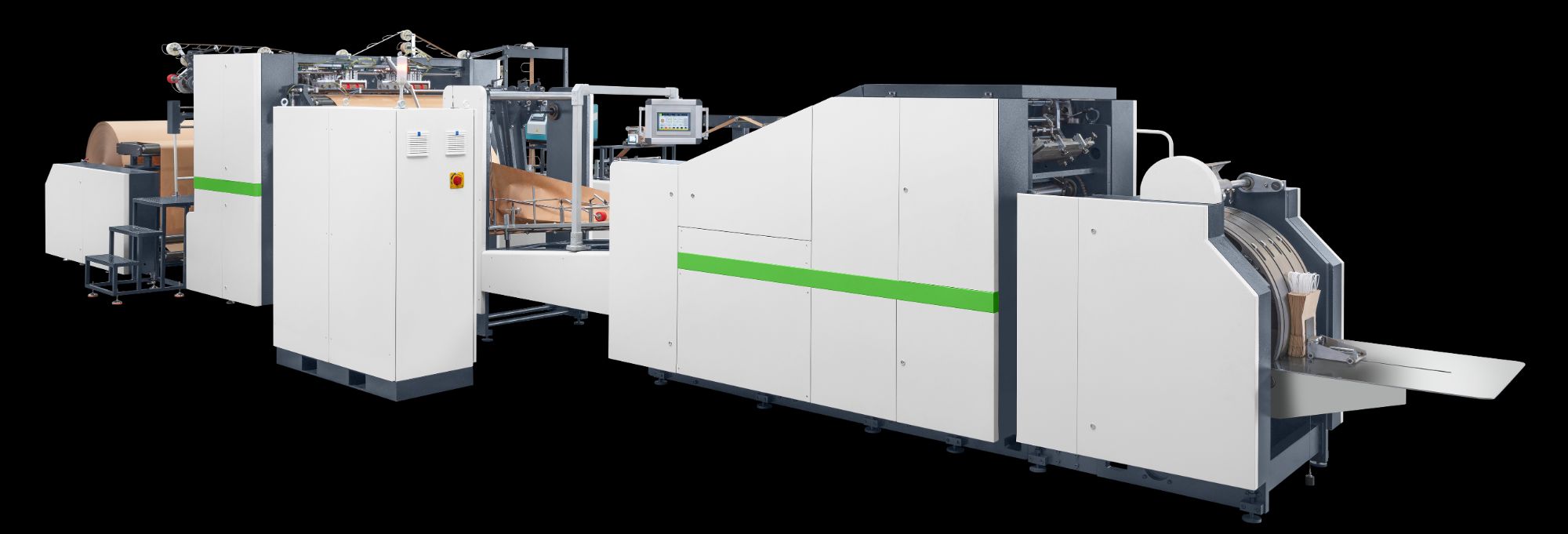
The difference shows up in the joints first. A heavy-duty frame doesn't rely on thin brackets or press-fit connections that loosen after a few months. Instead, you'll see full-penetration welds, gusseted corners, and bolt diameters that look oversized for the job. These details add weight, yes, but they also mean the structure can take a hit from a forklift, a dropped pallet, or years of vibration without twisting out of square. Imitations often copy the overall shape but skip the reinforcement where nobody looks—inside the corner blocks, behind the casters, under the deck plate.
Material thickness gets faked more often than people realize. A lightweight imitation might use 14-gauge steel where a heavy-duty build specs 7-gauge, then hide the difference with extra paint or a decorative trim. Run your hand along an edge: quality steel has a consistent heft and a dull ring when tapped, not a tinny clatter. Also check the load rating label—genuine heavy-duty equipment states capacity in pounds or kilograms with a safety factor, usually 1.5 to 2 times the rated load. Imitations often quote a single impressive number without mentioning deflection limits or point-load restrictions.
Finally, look at how the thing moves. Heavy-duty builds use cast iron or forged steel wheels with tapered roller bearings, greased and sealed. They roll smoothly under full load, not just when empty. Lightweight copies tend to use plastic or cheap stamped wheels with ball bearings that flatten over time. The difference is audible: a heavy cart glides with a low, steady rumble, while an imitation squeaks and wobbles after two weeks. Buy once, inspect the welds, check the gauge, and push it fully loaded before you pay.
Paper Types, Bag Styles, and Changeover Realities
Natural kraft, bleached white, recycled board, and clay-coated stock each behave differently on the forming plates. A 70gsm unbleached sheet might slip cleanly through the tuber, while a 110gsm coated grade demands slower line speeds and extra glue penetration time. Then there are the bag styles themselves—flat satchels, self-opening square bottoms, pinch-bottom valve bags, and twisted-handle totes. Mixing these on the same converting line means more than swapping out forming plates; it reshapes the entire tension profile.
The real friction shows during changeovers. Switching from a standard SOS grocery bag to a narrow valve sack for cement or pet food often forces a full unwind stand reset, new perforation blades, and recalibrated fold guides. Operators learn to expect at least twenty minutes of fine-tuning even on a well-maintained machine. The scrap bin fills with misaligned gussets and skewed bottom patches while the glue system purges old adhesive. That downtime rarely appears in production forecasts but eats into shift output week after week.
Experienced crews develop a feel for sequencing runs that minimizes those transitions. They group similar weights and styles together, even if that means deviating from the customer order list. Some plants keep dedicated lines for high-volume natural kraft SOS bags, leaving the flexible converter for short-run coated or printed jobs. In practice, the paper type and bag style dictate not just tooling but also the crew's entire rhythm through a shift.
Automation Levels That Actually Affect Daily Output
Most automation setups don't move daily output because they stop at reminders or assisted execution—software drafts a reply, logs a ticket, or fills a field, but a person still has to approve, copy, or double-check every step. The first real jump happens at managed execution: a workflow collects the inputs, applies your rules, handles the normal cases, and only pings you when something falls outside the guardrails. That's the line where automation starts reclaiming hours, not just seconds.
The next level that actually shows up in weekly output is self-adjusting automation. Instead of flagging the same exception every morning, the system learns which errors repeat, tightens the threshold, or reroutes low-confidence items to a queue that gets batched once a day. You stop babysitting the tool and start seeing a smaller backlog without adding headcount.
A useful test is to track how many manual handoffs disappear from a recurring task. If the number hasn't dropped, you've only decorated the old process—true output gains come from removing the waiting, the re-entry, and the routine yes/no decisions that eat the middle of the day.
Hidden Costs Beyond the Initial Quote
When buyers compare quotes, they often fixate on the headline number—the base price printed at the top of the estimate. Yet that figure rarely survives contact with reality. Freight, customs brokerage, port handling, and last-mile delivery can quietly add 18–30% to the landed cost. For small or irregular shipments, accessorial charges like residential delivery, liftgate service, or inside pickup get tacked on without warning. None of these appear in the initial quote because they depend on conditions discovered only after the order is booked.
A less obvious layer involves compliance and documentation. Certificates of origin, fumigation requirements, or specialized packaging for fragile goods often trigger fees that suppliers assume the buyer will absorb. If the product needs rework—say, relabeling to meet local standards or repalletizing to fit warehouse racking—the cost lands weeks after the invoice is paid. These hidden expenses don't just dent margins; they distort unit economics and can turn a profitable SKU into a loss leader.
The pragmatic fix is to demand a line-item breakdown before committing, then pressure-test it against real-world timelines. Ask the forwarder for a worst-case scenario quote, not a best-case one. Build a 10–15% contingency into every landed cost model. And never assume the initial quote is a ceiling—it's almost always a floor.
Vetting Suppliers for Spare Parts and Service Turnaround
When a critical machine goes down, the quality of your spare parts supplier becomes the difference between a brief pause and a prolonged shutdown. Vetting goes beyond price sheets—it means digging into how they manage inventory, whether they keep common wear items on hand, and how quickly they commit to shipping a replacement.
Service turnaround is harder to measure because it depends on human response chains. Ask for recent examples, not just promises. A supplier that can point to a specific instance where they arranged a courier or dispatched a technician within hours shows they treat urgency as part of their operating rhythm rather than an exception.
Finally, look for consistency across multiple orders and emergency calls. One impressive rescue doesn’t predict the next. Build a short list of suppliers who log response times, track backorder gaps, and invite you to visit their parts shelf. That transparency tends to separate partners who share your downtime risk from vendors who simply fill a purchase order.
FAQ
Focus on frame thickness and welding points, not just spec sheets. Ask for a video of the machine running your specific paper weight and bag size for at least 30 minutes. Check whether rollers, gears, and glue applicators are from known brands or in-house copies. Request the bearing list and compare it against supplier claims. If possible, visit a factory running the same model for at least three shifts.
Take the manufacturer’s rated speed and multiply by 0.75 to 0.85, depending on bag complexity and operator skill. Watch for stops for glue refill, paper splicing, jam clearing, and quality checks. Ask for production logs from existing customers running similar bag sizes. A machine that runs 400 bags per minute in demo often stabilizes around 300 in continuous daily use.
Paper grammage, fiber direction, and moisture content affect forming and glue adhesion. For standard grocery bags, 70–100 gsm kraft works well, but twist-handle or flat-handle bags often need 90–120 gsm to hold shape. Buy a few pallets of the exact paper you plan to use and run trials before signing off. If the machine cannot handle recycled content above 60%, that may limit sourcing flexibility.
Spare parts inventory (often 5–8% of machine price annually), glue system cleaning agents, air compressor upgrades, and training time until operators reach stable output. Some machines need a dedicated power line or floor reinforcement. Ask for a 12-month consumables list with supplier prices, not just part numbers, and include that in your ROI calculation.
Break down the quote into frame, drive system, glue unit, handle attachment, and control system. Ask for the country of origin for each major component. Compare warranty terms on structurally stressed parts, not just electronics. Look at response time guarantees for service visits and whether remote diagnostics are included. A cheaper machine with no local service can cost more in downtime than the price difference.
Square bottom, V-bottom, and flat handle bags are common, but changeover time is the real metric. Look for machines that can switch between two sizes in under 15 minutes with color-coded guides and digital recipe storage. If you need twisted paper handles, verify whether the handle unit is fully synchronized with the main drive or a bolt-on that causes frequent stoppages at high speed.
More important than the cutting or folding mechanism for consistent output. Cold glue with open pots can thicken and cause downtime; sealed hot melt or pressure-fed cold glue systems maintain viscosity better. Ask about nozzle types, cleaning intervals, and whether the glue tray has automatic level control. Poor glue application is the leading cause of rejected bags in continuous production.
Run your own paper, not the supplier’s pre-selected stock. Produce at least 10,000 bags continuously with no more than a 2% reject rate. Measure bag dimensions at the start, middle, and end of the run. Check handle pull strength on a sample of 100 bags. Include a clause for a second test after installation if performance drops below 90% of the factory test speed.
Conclusion
When investing in a wholesale paper bag machine for high-volume production, the first real test is whether the rated speed actually lines up with your busiest weeks—not just the average order volume. Many buyers get swayed by impressive meters-per-minute figures, then discover that switching between different bag styles or paper weights slashes throughput in ways the brochure never showed. A heavy-duty frame matters here more than most realize: solid castings, hardened gears, and robust tension controls separate machines that hold tolerances over multi-shift runs from lightweight units that start drifting after a few thousand bags. You also need to be blunt about changeover realities. If your product mix includes flat handles, twisted handles, or multiple paper grades, the time lost between jobs can quietly erase the profit from a high-speed line. Ask for real-world demonstration runs using your own materials and your most frequent bag dimensions, not just a standard demo setup.
Automation is another area where the label often oversells the benefit. A machine with automatic stacking, counting, and bundle ejection can genuinely change daily output if your operators can keep it fed and clear jams without relying on constant manual intervention. But some so-called automation features are little more than sensors that stop the line rather than solve the problem. Look at what happens when a roll runs out or a handle patch misfeeds: does the machine recover on its own, or does it wait for someone to intervene? Beyond the quote, hidden costs like extra die sets, vacuum pump maintenance, and the price of factory-authorized technicians for calibration will show up within the first year. That's why supplier vetting should focus on spare parts availability and service turnaround—preferably from someone who stocks wear parts locally or offers next-day shipping, not a distributor who has to source every bolt from overseas. Ask existing customers about their average downtime after a breakdown, not just about how well the machine ran during the first month.
Contact Us
Contact Person: CARA
Email: [email protected]
Tel/WhatsApp: +8619519778302
Website: https://www.rokinmachinery.com